Leave Your Message

CONTACT

Leave Your Message

China Top Pipe Elevators Manufacturers and Suppliers

Pipe Elevators are small components in a drilling spread, but their job is anything but minor. A worn latch, mismatched size, or unclear load rating can disrupt a lift. Buyers comparing China’s leading manufacturers and suppliers should examine rated capacity, material traceability, inspection records, and compatibility with their tubulars—not price alone.

The International Energy Agency’s Oil 2024 report projects global oil demand will rise by 3.2 million barrels per day between 2023 and 2030, reaching about 106 million barrels per day. That forecast provides energy-market context; it is not a Pipe Elevators market-size estimate. For technical requirements, API Specification 8C covers drilling and production hoisting equipment. Check each supplier’s stated compliance and supporting documentation rather than assuming every product meets the same specification.

Small details matter. A clear nameplate. A latch that closes smoothly. A certificate that matches the delivered unit. This guide compares Chinese manufacturers and suppliers through product range, quality controls, customization, and after-sales support. One sourcing limitation deserves candor: no supplied source identifies a Pipe Elevators expert or verifies a topic-specific quotation. We will not invent one. Instead, use the checklist to ask direct questions, request current inspection records, and confirm dimensions before ordering.
China Top Pipe Elevators Manufacturers and Suppliers

What Pipe Elevators Are and How They Support Drilling Operations

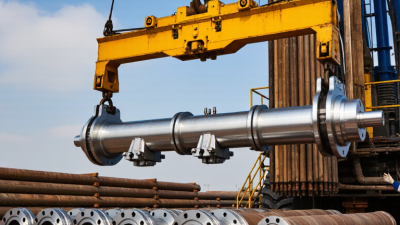
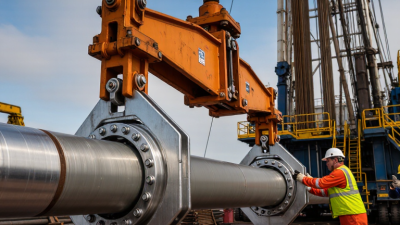
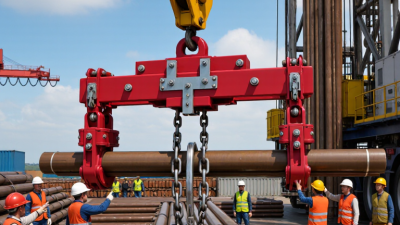
Pipe elevators are load-bearing tools used to lift and handle drill pipe, casing, or other tubulars. Their design varies, but many models close around a pipe and engage its shoulder to transfer weight to the hoisting system. During a connection, the elevator helps crews raise or lower a section while keeping it aligned with the well center. A secure fit matters. Incorrect sizing or an incompletely latched elevator can create serious handling risks.

On a rig floor, the tool must match the pipe’s diameter, connection profile, and expected load. Crews should check the rated capacity and confirm that the latch moves freely before use. Look for cracks, worn contact surfaces, bent parts, or damaged safety locks. A small defect can become harder to notice when equipment is muddy or poorly lit. Real-world inspections are not always perfect, so clear checklists and careful communication still matter.

Tips: Confirm the elevator fits the specific tubular before lifting. Close and verify the latch, then follow the rig’s approved handling procedure. Keep hands clear of pinch points. If the tool behaves unexpectedly, stop and reassess rather than relying on habit.
Main Types and Key Specifications of Pipe Elevators

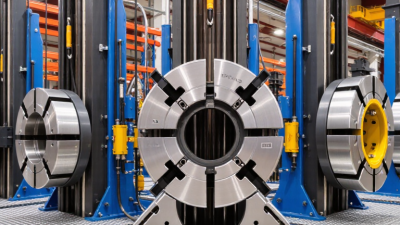
Pipe elevators are selected by pipe type, connection design, and rated load. Common types include drill-pipe elevators, tubing elevators, casing elevators, and link-style elevators. Side-door models open at the side for quick handling, while center-latch designs close around the pipe. Each type serves a different handling task; a drill-pipe model should not be assumed suitable for casing.

API Specification 8C and ISO 13535 set technical requirements for hoisting equipment, including rated-load marking and design verification. Buyers should compare the elevator’s rated capacity with the planned string load, then confirm the pipe diameter range, latch arrangement, and compatibility with links or bails. These standards are useful references, but they do not replace checking the equipment’s individual nameplate and inspection records. Small details matter. A catalog table may look clear, yet omit wear limits or operating conditions.

Tips: Measure the pipe’s outside diameter and check the connection before ordering. Inspect latch pins, hinges, and contact surfaces for wear; even slight damage deserves attention. I would also verify the supplier’s test documentation rather than relying on a capacity figure alone.

Common Drill Pipe Sizes for Pipe Elevator Selection

The chart shows common nominal drill pipe outside diameters and their metric conversions. These dimensions can help identify a compatible elevator size; always confirm the required elevator type, load rating, and pipe or tool-joint compatibility against the applicable specifications.

How Pipe Elevators Are Manufactured and Quality-Tested in China

Pipe elevators made in China generally begin with a design matched to pipe size, rated load, and operating conditions. Material selection matters: alloy steel is common, and each batch should carry traceable inspection records. Depending on the design, the body is forged or produced by another controlled forming process. It is then machined so the hinge, latch, and contact surfaces fit accurately. Small errors matter. A poor latch fit can make handling less predictable.

Heat treatment gives the steel its required mechanical properties, but it must be monitored and documented. Inspectors check dimensions, surface finish, and moving parts before testing. Non-destructive checks, such as magnetic-particle inspection, can help reveal surface cracks in suitable materials. Each elevator should also undergo a load test using an approved procedure and clearly recorded results. The test setup needs a calibrated load-measuring device and secure guarding. A polished surface alone proves little. Buyers can ask for material certificates, inspection reports, and test records linked to the product’s identification number. Even careful checks have limits, so maintenance and pre-use inspections remain essential.

China Top Pipe Elevators Manufacturers and Suppliers - How Pipe Elevators Are Manufactured and Quality-Tested in China

Typical manufacturing stages and quality checks for pipe elevators. Specific requirements depend on the elevator design, rated capacity, applicable standards, and purchase specification.
Manufacturing or Inspection Stage Typical Process Quality Checks Purpose and Records
Design and specification review Confirm the intended pipe type, size range, rated capacity, operating conditions, and applicable project or industry requirements before production. Review drawings, material requirements, design calculations, and specified inspection or testing plans. Helps ensure the elevator is designed for its stated application. Approved drawings and specifications provide the production baseline.
Material selection and receipt Select suitable steel for the design and manufacturing route. Incoming stock or forgings are identified and prepared for production. Check material documentation, grade identification, dimensions, and visible condition; additional verification may be specified by the order. Supports material traceability and confirms that incoming material matches the approved requirements.
Forging or forming Depending on the design, load-bearing parts may be produced by forging or another specified manufacturing process. Inspect the formed part for identification, shape, surface condition, and visible defects. Further examination is performed when required by the inspection plan. Creates the required component geometry while allowing manufacturing controls to be applied to critical parts.
Heat treatment Apply the specified heat-treatment cycle to relevant steel components to achieve the mechanical properties required by the design. Review process records and verify hardness or mechanical properties where required by the specification. Confirms that controlled processing has been carried out and that specified material properties are verified.
Machining and dimensional inspection Machine contact surfaces, pin bores, latch features, and other interfaces to the approved drawings. Measure critical dimensions, clearances, alignment, and fit using suitable calibrated instruments. Checks that components assemble correctly and that the elevator interfaces with the specified pipe and handling equipment.
Welding, where specified Carry out approved welding procedures on designs that include welded components or attachments. Check welder and procedure qualifications as applicable; inspect weld appearance and perform specified nondestructive examination. Verifies that welding is controlled and that required weld inspections are documented. Not all elevator designs use welded construction.
Nondestructive examination Use examination methods selected for the component, material, and inspection plan, such as magnetic-particle or ultrasonic testing. Examine designated areas against the acceptance criteria stated in the governing specification or purchase documents. Can help detect relevant surface or internal discontinuities without damaging the component. Method and coverage are not identical for every product.
Assembly and functional inspection Assemble the elevator and inspect moving parts, hinges, latches, locks, pins, and other fitted components. Check operation, engagement, alignment, fit, and condition of safety-related features in accordance with the design and inspection plan. Confirms that the elevator operates as intended before final testing and release.
Load testing Conduct a proof or other specified load test using suitable test equipment and the procedure applicable to the product and order. Verify the test setup, applied load, hold period, and post-test condition against the approved procedure and applicable acceptance criteria. Provides evidence that the tested unit has undergone the specified test. Test loads and acceptance criteria depend on the governing requirements; they are not universal values.
Final inspection and release Complete final checks, apply required identification and markings, and prepare the product for packing and shipment. Review markings, documentation, appearance, accessories, and inspection or test records against the order. Supports product identification, traceability, and confirmation that required manufacturing and inspection steps are documented.

Standards note: API Specification 8C covers drilling and production hoisting equipment. Whether a particular pipe elevator is designed, manufactured, inspected, or certified to API Spec 8C must be confirmed from the product documentation and the applicable order requirements.

Leading Pipe Elevator Manufacturers and Suppliers in China

China’s leading pipe elevator manufacturers and suppliers serve drilling operations that need secure handling, dependable fit, and consistent production. A capable supplier should explain how its elevators match pipe dimensions, connection types, and stated load requirements. Buyers can ask about material specifications, heat treatment, machining tolerances, and inspection records. These details matter. A latch that closes smoothly on a sample should also work reliably after repeated handling.

When comparing suppliers in China, request drawings, product data, and clear guidance on inspection procedures. Ask how each unit is checked before shipment, and whether serial numbers or batch records support traceability. If possible, review a sample and examine its hinge movement, latch engagement, and finish around load-bearing areas. For international orders, confirm packaging, lead times, spare-part availability, and communication arrangements before production begins. A polished catalog may still leave practical questions unanswered. I would not assume every supplier documents the same checks; that uncertainty deserves a direct conversation, not a guess. A careful evaluation takes time.

How to Evaluate and Select a Reliable Chinese Supplier

Choosing a Chinese pipe elevator supplier takes more than comparing prices. Request the product drawing, rated load, material specification, and inspection plan. Check that dimensions match your pipe and handling equipment. Small details matter. Ask for batch traceability and load-test records tied to the serial number, not generic sample documents.

The ISO Survey 2023 reported 1,265,216 valid ISO 9001 certificates worldwide. This shows how common quality-management certification is; it does not prove that a particular elevator is safe or well made. Treat certification as one screening signal. Ask which technical standards apply, such as API Spec 8C where relevant, and verify the stated edition and scope. Then review material certificates, heat-treatment records, dimensional checks, and non-destructive testing reports. A polished brochure is not evidence.

For a practical assessment, compare the supplier’s drawing against the actual pipe size, latch engagement, and rated capacity. Request a sample inspection or arrange a third-party audit if the order warrants it. Confirm spare-part availability, warranty terms, and how defects are handled in writing. I would hesitate if records cannot be linked to the delivered batch. Price matters, but an unclear test trail can cost more later.