Leave Your Message

CONTACT

Leave Your Message

10 Best Pipe Elevators for Global Buyers

Selecting the right Pipe Elevators is a safety, productivity, and procurement decision. Global drilling contractors face varied casing sizes, load ratings, thread designs, and operating conditions. An elevator that performs well on a land rig may not suit a deepwater operation. Small differences matter, especially when suspended tubulars weigh several tonnes.

The International Energy Agency’s Oil 2024 report expects global oil demand to approach a plateau near 2030. That transition may increase pressure on contractors to improve equipment utilization and maintenance discipline. Grand View Research market assessments also identify drilling and completion activity as important drivers of oilfield equipment demand. These trends make dependable lifting equipment increasingly relevant for international buyers.

This guide compares 10 Best Pipe Elevators for Global Buyers through practical criteria. We examine rated capacity, size coverage, latch design, material quality, certification, inspection support, and supplier responsiveness. API Spec 8C and API RP 8B provide useful reference points for hoisting equipment design, testing, inspection, and maintenance. Buyers should still verify the latest edition and regional requirements before ordering.

The lowest quotation is not always the best value. A cheaper elevator may create delays through limited spare parts or unclear documentation. That is easy to overlook. Shipping time, traceability, warranty language, and local service also deserve attention. No ranking can be perfect because rig conditions differ. This review therefore focuses on transparent comparisons, practical field expectations, and questions buyers should ask before approving a purchase.

10 Best Pipe Elevators for Global Buyers

What Are Pipe Elevators and How Do They Work?

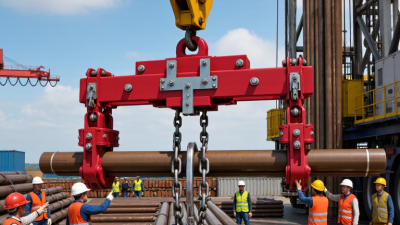
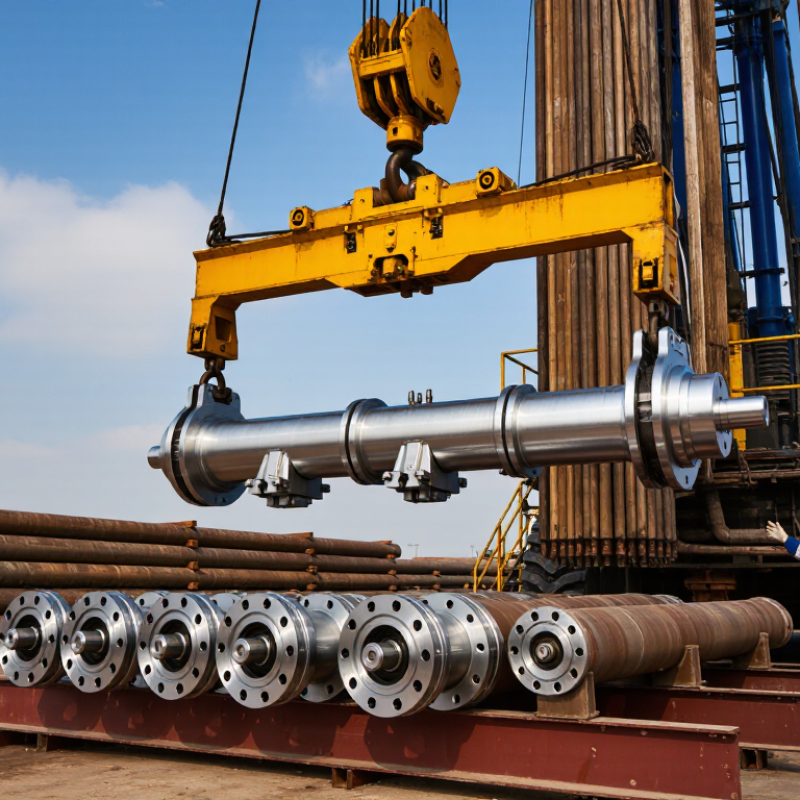
Pipe elevators are lifting tools used to move casing, tubing, and drill pipe safely around a rig floor. They grip the pipe below its upset or coupling and transfer the load to the hoisting system. Unlike ordinary clamps, elevators are designed for vertical lifting, not casual handling.

Their operation is simple but highly controlled. A hinged body opens around the pipe, while slips or internal shoulders support the load. When the elevator closes, a latch keeps the body locked during lifting. The traveling block then raises the elevator, and the pipe moves with it. Operators must confirm that the pipe size, elevator opening, rated capacity, and connection profile match exactly. A small mismatch can create uneven contact and dangerous movement.

Experienced crews inspect hinge pins, latch parts, contact surfaces, and identification markings before use. They also watch for cracks, deformation, worn slips, or distorted load shoulders. Clean contact areas matter, especially when mud hides damage. A useful field lesson is that capacity ratings do not replace inspection. Equipment may look sound yet carry invisible fatigue. Selection is not always neat; pipe dimensions can vary between projects and suppliers. Buyers should request traceable test records, clear operating instructions, and maintenance guidance. Local lifting requirements and site procedures should also be checked before deployment.
Key Types of Pipe Elevators for Different Drilling Applications

10 Best Pipe Elevators for Global Buyers

Key Types of Pipe Elevators for Different Drilling Applications

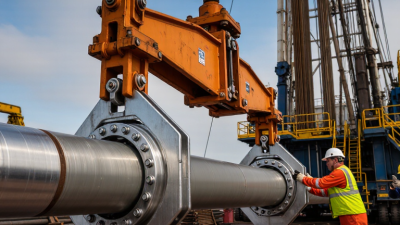
Pipe elevators differ by load path, pipe size, and handling speed. Link-type elevators suspend drill pipe through links and suit conventional rotary rigs. Side-door elevators allow quick pipe entry during repeated tripping operations. Slip-type elevators grip the pipe body directly, making them practical for casing and tubing. Casing elevators need broad load-bearing surfaces, while tubing elevators require tighter dimensional control.

Fit beats reputation.

The IEA’s Oil 2024 report forecasts oil demand to reach 105.4 million barrels per day by 2029. OPEC’s World Oil Outlook 2024 projects demand near 116 million barrels per day by 2045. These figures suggest continued equipment demand, but they do not justify choosing one elevator for every well.

Offshore casing runs may favor high-capacity, remotely operated designs. Smaller workover rigs often need lighter side-door models with clear manual access.

A lighter elevator is not always safer.

Buyers should compare:

  • rated capacity
  • minimum and maximum pipe diameters
  • latch security
  • wear-part availability
  • inspection records

API Specification 8C provides a recognized framework for drilling and production hoisting equipment. Local regulations may add testing or certification requirements.

Check the load chart, not only the catalog headline.

Field experience shows that misalignment, worn slips, and poor cleaning can undermine a well-designed elevator. That weakness deserves attention. Evaluate the complete lifting system, including links, bails, elevators, and operator visibility.

How to Evaluate the Best Pipe Elevators for Global Buyers

10 Best Pipe Elevators for Global Buyers

How to Evaluate the Best Pipe Elevators for Global Buyers

Global buyers should evaluate pipe elevators through verified lifting performance, not appearance or price. The Working Load Limit must match the pipe size, grade, wall thickness, and handling method. API Specification 8C provides a recognized framework for drilling and production hoisting equipment. Buyers should request design calculations, material certificates, heat-treatment records, and documented load-test results.

Safety details deserve close attention. Examine the latch, hinge pins, elevator links, contact surfaces, and locking indicators. A clear secondary-retention system can reduce accidental opening during movement. The ILO’s 2023 estimates report 2.93 million work-related deaths worldwide each year. That figure is broad, but it shows why lifting accessories require disciplined inspection. Ask whether the supplier provides magnetic-particle or ultrasonic testing for critical components.

Operating conditions also affect the best choice. Offshore users need corrosion-resistant finishes and sealed moving parts. Desert sites may require dust-tolerant hinges and simple lubrication access. Check compatibility with local pipe dimensions and available lifting equipment. Confirm spare-part lead times, manuals, inspection intervals, and technician training. A product may meet a standard yet remain inconvenient in the field. That matters.

Do not ignore human factors. Can a gloved operator read the markings? Can two workers latch it without excessive force? Inconsistent documentation is a warning sign. I would also question unusually high capacity claims without independent test evidence. A perfect checklist does not exist; real site feedback can expose weaknesses that laboratory testing misses.

10 Best Pipe Elevators for Global Buyers - How to Evaluate the Best Pipe Elevators for Global Buyers
No. Elevator Configuration Typical Pipe Range Typical Rated Load Slip or Bowl Arrangement Operating Method Key Compliance Check Best Application Selection Score
1 Heavy-Duty Center-Latch Elevator 3½–14 in. outside diameter 100–350 short tons Interchangeable dies or inserts Manual latch with links or bails Verify API 8C design and proof-load documentation Land and offshore drilling with frequent pipe handling 9.5/10
2 Side-Door Tubing Elevator 1.05–4½ in. tubing 50–150 short tons Tubing slips matched to pipe body Single-side door with manual latch Check tubing size, latch interlock, and load-test records Workover units and tubing running operations 9.2/10
3 Flush-Mounted Casing Elevator 4½–13⅜ in. casing 150–350 short tons Casing dies sized for the pipe grade Center latch or side door Confirm API 8C category, casing compatibility, and elevator clearance Casing running where external clearance is limited 9.0/10
4 Link-Elevated Drill-Pipe Elevator 2⅜–6⅝ in. drill pipe 100–350 short tons Replaceable inserts for tool-joint profiles Suspended from elevator links Check link dimensions, shoulder contact, and API 8C records Rotary drilling rigs with conventional traveling equipment 8.9/10
5 Automatic Hydraulic Elevator 2⅜–13⅜ in. pipe and casing 150–500 short tons Hydraulically actuated slips or doors Remote hydraulic control Assess hydraulic pressure, fail-safe locking, and control redundancy High-cycle drilling and rigs prioritizing reduced manual handling 8.8/10
6 API 8C Certified Casing Elevator 4½–20 in. casing 150–500 short tons Dedicated or replaceable casing dies Manual, hydraulic, or air-assisted Require a valid API 8C certificate and traceable inspection history Global procurement requiring recognized lifting-equipment controls 8.7/10
7 Compact Workover Elevator 1.05–7⅝ in. tubing and casing 50–150 short tons Interchangeable tubing or casing inserts Manual side door Check compact dimensions, working load limit, and latch condition Mobile workover rigs and confined wellsite layouts 8.5/10
8 Large-Bore Casing Elevator 13⅜–30 in. casing 250–750 short tons Large-diameter casing slips or segmented dies Center latch, side door, or hydraulic actuation Verify large-bore load rating, elevator bowl geometry, and rig clearance Deepwater, conductor, and large-diameter casing programs 8.4/10
9 Heavy-Wall Drill-Pipe Elevator 3½–6⅝ in. drill pipe 150–350 short tons Dies selected for tool-joint and upset dimensions Manual latch with high-strength links Confirm pipe body, tool-joint, link, and shoulder dimensions High-torque drilling and heavy-wall drill-string handling 8.3/10
10 Corrosion-Resistant Offshore Elevator 2⅜–13⅜ in. pipe and casing 100–350 short tons Replaceable corrosion-resistant inserts Manual or hydraulic operation Review coating system, material certificates, NDT, and offshore inspection records Marine environments, offshore platforms, and saline storage areas 8.1/10
Buyer’s note: Load capacities and pipe ranges shown are typical selection bands rather than product-specific ratings. The final choice must be based on the manufacturer’s certified working load limit, exact pipe dimensions, elevator clearance, link dimensions, operating pressure, applicable API requirements, inspection records, and local lifting regulations.

Top 10 Pipe Elevators Compared by Features and Performance

10 Best Pipe Elevators for Global Buyers

Choosing among the top ten pipe elevators requires more than comparing load ratings. Field experience shows that handling stability often matters more than maximum capacity. The leading models support different pipe diameters, use forged steel bodies, and include locking systems that reduce accidental release. Manual elevators suit simple drilling operations. Hydraulic versions improve speed and reduce operator strain. However, hydraulic performance depends on clean fluid and regular inspection.

The strongest all-round designs combine high working loads with balanced jaws and replaceable inserts. Some models perform better with large-diameter casing, while compact units fit narrow platforms and lighter pipe strings. Corrosion-resistant coatings are valuable in coastal or humid environments. Clear capacity markings also help crews avoid unsafe assumptions. Small details matter. A handle that remains accessible with gloves can improve daily efficiency.

Performance testing should include repeated loading, jaw wear, alignment, and lock response. Buyers should request inspection records, material specifications, and recognized safety certification before purchasing. A low-priced elevator may appear attractive, but poor machining can create uneven gripping and faster maintenance costs. That said, no model is ideal for every site. One unit may offer excellent lifting strength but feel heavy during frequent repositioning. Another may be easy to operate but provide limited diameter flexibility. Comparing real operating conditions, service support, spare parts, and local compliance requirements leads to a more reliable decision. Some published performance claims still need independent verification.

Safety, Certification, Maintenance, and International Purchasing Factors

10 Best Pipe Elevators for Global Buyers

Safety, Certification, Maintenance, and International Purchasing Factors

Choosing among the 10 best pipe elevators requires more than comparing lifting capacity. Safety depends on jaw engagement, latch condition, and correct load alignment. IOGP safety performance reports repeatedly identify line-of-fire exposure and dropped objects as persistent high-potential risks. That finding matters during tubular handling. A single damaged latch can turn a routine lift into a serious event. Operators need visible inspection points and clear safe working load markings.

Certification should match the intended service. API Spec 8C and ISO 13535 provide recognized frameworks for hoisting equipment requirements. Buyers should request valid load-test records, nondestructive examination reports, material traceability, and serial-number records. Certification alone is not proof of good field care. A polished document may hide corrosion or previous overload damage. Independent inspection is worthwhile before shipment, especially for used equipment.

Maintenance records should show lubrication intervals, latch checks, pin replacement, and dimensional limits. The World Bank’s 2023 Logistics Performance Index evaluates customs, infrastructure, shipment reliability, and tracking. These factors affect delivery risk and total cost. International buyers should confirm Incoterms, export packing, spare-part availability, and local inspection requirements. Salt air demands stronger corrosion protection. A small mismatch in pipe size can create dangerous loading. I would not treat the lowest quotation as the safest choice; supplier responses should be technically compared, documented, and reviewed by a qualified lifting professional.