- Home
- About TKL
- Factory Tour
- Products
- Blog
- Contact Us

CONTACT
Leave Your Message
CONTACT
Selecting the right Pipe Elevators is not a simple ranking exercise. Each model must match pipe size, load rating, elevator type, handling method, and rig conditions. A polished product can still fail a practical test.
The International Association of Oil & Gas Producers, in its safety guidance, emphasizes controlled lifting, inspection, and competent operation. API Specification 8C also provides a recognized framework for drilling and production hoisting equipment. These references matter because a pipe elevator carries concentrated loads above the rig floor. A worn latch, damaged hinge, or unclear capacity marking can create serious exposure.
Market reports add useful context. Grand View Research identifies continued investment in oilfield equipment, supported by offshore development and drilling activity. The IEA’s Oil 2024 report also points to changing regional demand and uneven upstream investment. Buyers therefore need equipment that performs reliably across different work environments. Lowest price is rarely the complete answer.
Drilling-equipment consultant John de Wardt has stated, “Equipment reliability begins with disciplined selection, not emergency replacement.” That principle guides this list of the top 10 Pipe Elevators for global buyers. The evaluation considers load capacity, material quality, certification, maintenance access, supplier support, and field reputation.
There is no universal winner.
Some buyers may overvalue brand recognition. Others may underestimate spare-part availability in remote regions. This article also recognizes a limitation: supplier specifications are not always presented in identical formats. Comparisons can therefore become imperfect. Buyers should verify current certificates, inspection records, and compatibility before purchase. A strong elevator should fit the operation, not merely the brochure.
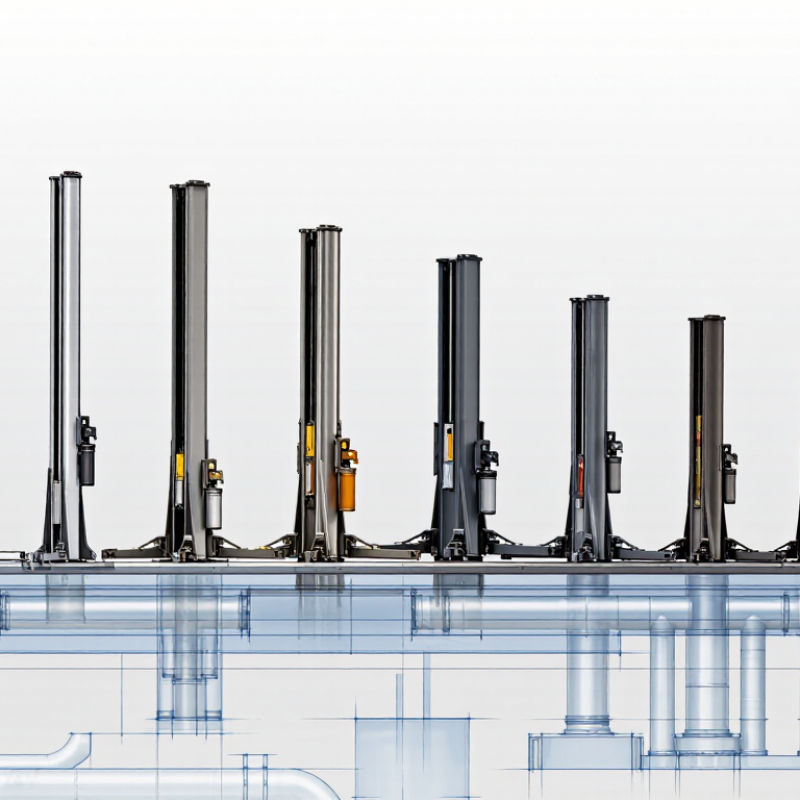
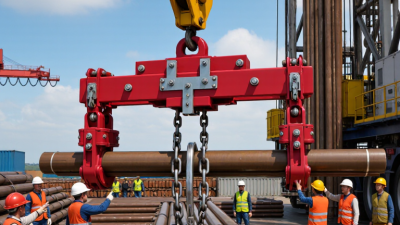
Pipe elevators are lifting tools used to raise, lower, and suspend drill pipes during oilfield operations. They grip the pipe body below a tool joint and transfer its weight to the traveling equipment. A hinged door or latch allows fast pipe entry. Internal slips then close around the pipe.
The operating motion is simple. The crew opens the elevator, positions it around the pipe, and locks the latch. As the lifting system moves upward, the slips tighten under load. Lowering the pipe reduces that gripping force, allowing controlled release. Correct sizing matters. A pipe elevator designed for one outside diameter may not hold another safely. Load rating, latch strength, slip condition, and handle design deserve careful checks.
When global buyers compare the top ten pipe elevators, they should examine working load, pipe range, alloy quality, heat treatment, and inspection records. Regional standards may differ, so certification must match the job site and local requirements. Field inspections often find worn slip teeth, distorted links, or incomplete latch engagement. Small defects can become serious failures. Keep hands clear. Never rely on appearance alone.
A clean, lightly protected contact surface improves handling. However, excessive lubricant may reduce friction between slips and pipe. This detail is easy to overlook. No elevator design is perfect for every rig. Buyers should confirm operating temperature, lifting method, maintenance access, and replacement-part availability before purchase. Reliable documentation matters as much as strong steel.
A practical comparison of widely used pipe-elevator configurations for drilling, workover, completion, and well-servicing operations
| Rank | Pipe Elevator Type | Typical Application | Typical Rated Load | Common Pipe OD Range | Latch and Support Design | Main Working Advantage | Important Selection Check |
|---|---|---|---|---|---|---|---|
| 1 | Slip-Type Drill Pipe Elevator | Rotary drilling and tripping conventional drill pipe | 100–500 short tons | 2⅜–6⅝ in | Replaceable slips grip the pipe body below the tool joint | Strong load transfer and broad drilling-rig compatibility | Match slip inserts to pipe grade, wall thickness, and outside diameter |
| 2 | Center-Latch Drill Pipe Elevator | High-frequency drill-pipe handling on land and offshore rigs | 100–500 short tons | 2⅜–6⅝ in | Hinged body with a central latch and bowl-shaped support | Fast pipe entry and release with balanced loading | Verify latch locking indicators and compatibility with the elevator links |
| 3 | Side-Door Tubing Elevator | Workover, completion, and production-tubing operations | 50–150 short tons | 1.9–4½ in | Side-opening gate supports tubing at the coupling or upset | Allows rapid handling without passing the pipe through a closed top opening | Confirm tubing coupling profile, latch direction, and allowable neck dimensions |
| 4 | Casing Slip Elevator | Running and pulling casing strings during drilling and completion | 100–500 short tons | 4½–20 in | Large-bowl slips grip the casing body below the coupling | Handles large tubular diameters and high suspended loads | Check casing body diameter, slip contact length, and load distribution |
| 5 | Casing Collar Elevator | Casing running where the coupling provides the load shoulder | 100–350 short tons | 4½–13⅜ in | Shoulder-supporting bowl engages beneath the casing collar | Reduces direct gripping force on the casing body | Use only with the specified collar profile and approved load path |
| 6 | Slip-Type Casing Elevator with Replaceable Inserts | Multi-size casing programs and field operations requiring maintenance flexibility | 150–500 short tons | 5–20 in | Segmented slips or inserts are replaceable for different pipe sizes | Lower lifecycle cost when several casing sizes are handled | Confirm insert availability, taper angle, and correct installation orientation |
| 7 | Link-Style Tubing Elevator | Light and medium-duty tubing handling on workover units | 25–100 short tons | 1.9–3½ in | Compact elevator body suspended from standard elevator links | Simple construction and convenient handling for smaller tubulars | Check link dimensions, tubing upset size, and maximum rated capacity |
| 8 | Dual-Size Combination Elevator | Operations that alternate between two defined pipe-size ranges | 50–250 short tons | Approx. 2⅜–5½ in | Interchangeable bowls, slips, or inserts for two size groups | Reduces equipment changes and improves rig-floor efficiency | Never mix insert sets; verify the selected configuration before loading |
| 9 | Hydraulic or Remote-Actuated Elevator | Mechanized pipe handling and automated rig-floor systems | 100–500 short tons | 2⅜–13⅜ in | Powered latch or slips operated from a hydraulic or remote-control system | Improves operator distance, repeatability, and handling efficiency | Assess hydraulic pressure, fail-safe locking, controls, and emergency release |
| 10 | Special-Purpose Workover Elevator | Fishing, completion, intervention, and non-standard tubular handling | 25–250 short tons | Application-specific | Custom bowl, slips, clamps, or shoulder-support arrangement | Addresses unusual profiles, restricted clearances, or dedicated procedures | Require verified drawings, load calculations, and documented operating limits |