Leave Your Message

CONTACT

Leave Your Message

What Are the Top Pipe Elevators for Global Buyers?

Choosing the right Pipe Elevators requires more than comparing prices, photos, or advertised lifting capacities. Global buyers must examine working load limits, pipe diameter ranges, elevator type, hinge design, latch security, and compatibility with existing links. A tool may look robust in a supplier’s catalogue, yet fail to suit a specific drilling workflow.

“Reliable handling begins with verified capacity, not confident marketing,” says Michael R. Dawson, a tubular-handling consultant with more than two decades of field experience. His point is practical. Buyers should request material certificates, inspection records, dimensional drawings, and evidence of load testing before placing an international order. API 8C alignment can provide a useful reference, but compliance claims still need independent verification.

Small details matter. A rough latch surface can slow operations. Poor hinge alignment can increase wear. Unclear markings may create confusion during a night shift. Suppliers should also explain manufacturing tolerances, spare-part availability, surface protection, packaging, and after-sales support. Delivery time matters too, especially when replacement equipment is needed offshore.

No ranking is perfect. Buyer priorities differ by rig design, pipe size, operating climate, and maintenance capacity. A premium elevator may be unnecessary for one contractor, while a low-cost model could create hidden downtime for another. This guide compares leading Pipe Elevators through a practical lens, balancing safety evidence, engineering quality, supplier reliability, and long-term value. Readers should still confirm current standards and local requirements before making a purchase.
What Are the Top Pipe Elevators for Global Buyers?

What Are Pipe Elevators and How Do They Work?

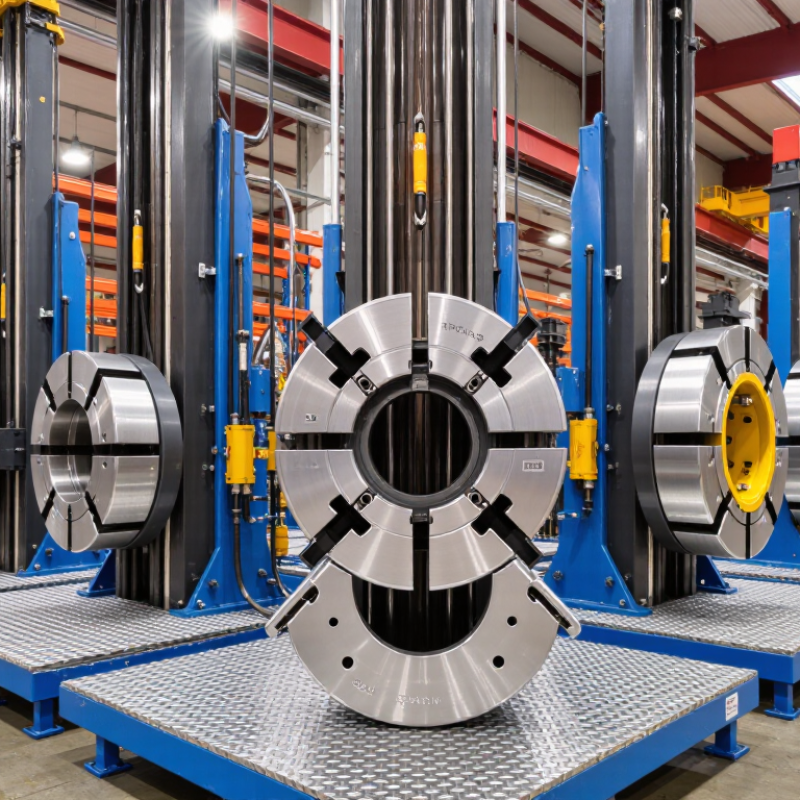
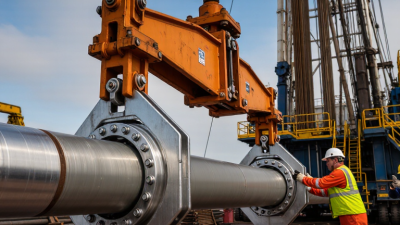
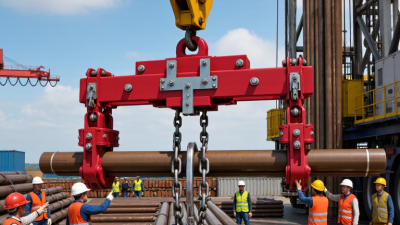
Pipe elevators are load-bearing tools used to lift, lower, and position drill pipe, casing, or tubing. They hang from links beneath the top drive or travelling block. Their bowls, slips, or latches grip the pipe below its shoulder. When the load increases, the elevator transfers weight through the body and suspension links. The latch must remain fully closed during movement.

Common designs include slip-type, shoulder-type, and side-door elevators. Slip-type models support tubulars with a tapered gripping system. Shoulder-type models carry pipe from its upset shoulder. Side-door designs allow faster pipe entry during repetitive operations.

The correct choice depends on pipe diameter, shoulder profile, rated load, handling speed, and local lifting procedures. API Spec 8C defines requirements for drilling and production hoisting equipment, including elevator design, testing, and marking.

Demand for reliable handling equipment remains important. The IEA Oil 2024 report projects global oil demand to reach about 105.4 million barrels per day by 2030. That figure does not measure elevator sales, but it signals continuing activity across drilling and well-construction systems.

Global buyers should verify certificates, load ratings, inspection records, and replacement-part availability. ISO 13535 also supports quality practices for lifting equipment used in petroleum operations.

A larger rating is not always safer. It may reduce handling efficiency and increase cost. Field crews often discover that latch visibility matters as much as rated capacity. A perfect-looking tool can still be the wrong purchase.
Which Pipe Elevator Types Suit Different Drilling Operations?

Pipe elevators should match pipe size, load, connection, and handling rhythm. The wrong choice creates delays. It can also expose crews to dropped-pipe hazards.

For standard drill-pipe tripping, a center-latch elevator suits fast, vertical handling. Its enclosed latch supports quick stabbing and positive engagement. Slip-type elevators fit casing and large-diameter strings better. They grip below the upset and distribute load around the pipe body. This matters when casing weight rises during running operations.

For tubing work, side-door elevators allow easier access in restricted handling areas. However, their convenience can encourage rushed latching. That assumption needs regular review. API Spec 8C sets design and testing expectations for drilling and production hoisting equipment. Buyers should verify rated load, bore range, latch indicators, and inspection records.

Offshore rigs often need elevators compatible with link-tilt systems, narrow decks, and heavier handling cycles. Heavyweight drill pipe may require larger-bore designs with higher working loads. The U.S. Bureau of Labor Statistics reported a 24.8 fatal injury rate per 100,000 full-time workers in oil and gas extraction during 2019. This figure does not measure elevator failures directly, but it shows why handling controls matter.

IOGP’s Safety Performance Indicators reports also identify lifting and dropped-object exposure as recurring safety concerns. Field teams should inspect latch wear, hinge pins, and contact surfaces before each shift. A perfect elevator choice does not remove human error. That remains the difficult part.

How to Compare the Top Pipe Elevators for Global Buyers

Comparing the top pipe elevators for global buyers requires more than checking rated capacity. Start with pipe diameter range, maximum working load, latch design, and compatibility with the rig’s elevator links. API Specification 8C defines requirements for drilling and production hoisting equipment, while API Recommended Practice 8B supports inspection and maintenance decisions. These references create a stronger baseline than a supplier’s brochure.

Look closely at field usability. The elevator should close firmly around the pipe, release without excessive force, and remain manageable while operators wear gloves. Forged load-bearing parts, visible wear indicators, replaceable inserts, and corrosion-resistant finishes matter in offshore environments.

According to the CDC and NIOSH, oil and gas extraction recorded a fatality rate of about 23.5 deaths per 100,000 workers during a major industry safety review. That figure makes latch control and inspection history commercial priorities, not minor technical details.

Ask for traceable material certificates, load-test records, dimensional drawings, and service instructions. Compare the complete ownership cost, including spare inserts, inspection intervals, shipping, and local technical support. I would not trust a low quote without reviewing these details. A spreadsheet can still mislead. The best comparison also considers regional certification expectations, language support, and delivery reliability. IOGP safety performance reporting continues to show why lifting equipment deserves documented risk controls. A practical trial with the actual pipe size may reveal awkward handling that photographs never show.

What Standards and Safety Features Should Buyers Evaluate?

Global buyers should judge pipe elevators by documented performance, not appearance. For field inspections, I check the working load limit, pipe size range, latch condition, and hinge movement. API Spec 8C and ISO 13535 provide useful requirements for hoisting equipment. ASME B30.20 may also apply to below-the-hook devices. Local rules can add requirements. Certificates can mislead. Verify the certificate against the serial number, drawings, and inspection date.

Look for a positive latch, secondary retention, clear load markings, and visible wear limits. Load testing should match the rated capacity and intended loading direction. Non-destructive examination can reveal cracks around hinges, welds, and latch housings.

The ILO and WHO Joint Estimates report 2.93 million work-related deaths and 395 million non-fatal injuries annually. UK HSE statistics recorded 138 fatal worker injuries in Great Britain during 2023/24.

These figures are not elevator-specific. Still, they expose the cost of weak controls. Small defects become serious under suspended loads.

Tips: Request recent inspection records, proof-load results, material traceability, and maintenance history. Ask for photos of the latch and contact surfaces. Do not guess. A practical trial with the actual pipe diameter can reveal poor alignment, awkward handling, or limited visibility. I would also require clear rejection criteria. Many purchasing teams miss this detail. Safety depends on what happens after delivery, not only on the original test.

How to Select a Reliable Pipe Elevator Supplier Worldwide?

Selecting a reliable pipe elevator supplier requires more than comparing prices. Start with design compliance. Ask whether the elevator follows API Spec 8C or another recognized lifting-equipment standard. Request the rated load, pipe-size range, design calculations, material certificates, and proof-load results. Non-destructive testing records should identify the inspector, method, and date. Missing details matter.

The ISO Survey 2022 recorded 1,265,216 valid ISO 9001 certificates worldwide. This indicates process control, not automatic product safety. Check the supplier’s quality scope carefully. It should cover design, machining, heat treatment, assembly, and final inspection. IOGP safety-performance reporting also emphasizes exposure hours, high-potential events, and dropped-object prevention. Therefore, request practical evidence, not attractive certificates. A supplier can pass an audit and still communicate poorly. That risk is easy to underestimate.

Tips: Compare traceable documents before quotations. Confirm working-load limits under actual temperature and pipe conditions. Ask for serial-number tracking and calibration records. Verify spare-part availability near your operating region. Require clear inspection intervals and emergency support contacts. Test the supplier’s response with one technical question. A vague reply is useful evidence. It may reveal weak engineering support. Consider factory acceptance testing, witnessed by an independent inspector. Keep the inspection plan contractual. Also review packaging for corrosion protection during sea transport. Small omissions become expensive offshore. Global procurement is rarely perfect; even experienced buyers sometimes trust paperwork too quickly.