Leave Your Message

CONTACT

Leave Your Message

Top 10 Bucking Unit Manufacturers for Global Buyers?

Selecting a Bucking Unit manufacturer involves more than comparing quoted prices. Buyers need equipment matched to pipe size, connection type, torque requirements, and working conditions. A unit that performs well in a controlled workshop may behave differently on a dusty site or in cold weather. Small details matter.

This guide introduces ten manufacturers for global buyers to consider. It focuses on practical comparison points, including torque capacity, clamping options, control systems, maintenance access, and available technical support. Clear specifications help buyers judge whether a machine suits their operation, rather than relying on broad claims. Ask for documented performance data, operating instructions, and details about spare parts and service coverage. Those answers can reveal more than a polished product photograph.

The right choice depends on the job. A compact unit may fit a workshop with varied pipe sizes, while a larger operation may need higher capacity and repeatable control. Buyers should also confirm how tooling changes are handled and whether operators can access service support in their region. Check the details carefully. Manufacturer information is not always presented in the same way, and comparison can take time. This list is a starting point, not a substitute for technical review. Consider each supplier’s published evidence, application experience, and response to specific questions before making a decision.
Top 10 Bucking Unit Manufacturers for Global Buyers?

What Is a Bucking Unit and Where Is It Used?

Top 10 Bucking Unit Manufacturers for Global Buyers?

A bucking unit applies controlled torque to make up or break out threaded connections on tubular equipment. It grips and rotates pipe while supporting the opposing section, helping prevent uncontrolled movement. Operators use these units for casing, tubing, and drill pipe in drilling operations, workover sites, pipe yards, and service centers. Some systems record torque and rotation data, which helps crews check whether connections meet specified procedures. The exact setup depends on pipe size, connection type, and required torque.

Tips: Match the unit’s capacity to the largest connection you expect to handle. Check jaw and die compatibility, sensor calibration, guarding, and emergency-stop access. Ask how routine maintenance is performed, too. Small details matter.

For global buyers, suitability often matters more than headline capacity. Consider available power, workshop space, operator training, spare parts, and local technical support. A compact unit may suit a busy service shop, while a mobile crew may need a transportable system. Review operating manuals and request a practical demonstration with representative pipe. A clean test result is useful, but it cannot predict every field condition. Even experienced teams sometimes find that a setup needs adjustment after installation.

How Bucking Units Work: Key Components and Operations

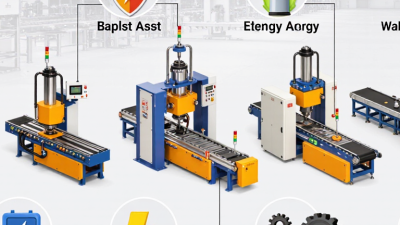
A bucking unit applies controlled torque when connecting or separating threaded pipe and tubular components. Its main parts are the power unit, rotating tong, backup clamp, torque sensor, and control system. The tong turns one component while the backup clamp holds the other steady. That opposing force helps prevent unwanted movement.

During make-up, an operator positions the parts in the jaws and checks that they are seated evenly. The control system drives the tong and monitors torque as the connection tightens. When the target is reached, rotation stops. Small details matter. Misaligned jaws or worn inserts can affect grip and produce unreliable readings. In practice, setup is rarely as tidy as a diagram suggests.

For break-out, the unit applies controlled reverse rotation while the backup clamp resists the turning force. Operators should confirm the correct settings, inspect hoses and clamps, and keep clear of moving parts. A calibrated sensor supports repeatable work, but it cannot correct poor positioning. The exact procedure depends on pipe dimensions and connection requirements, so recorded results and careful checks remain important.

How to Evaluate Bucking Unit Manufacturers

Evaluate the machine, not the brochure. Ask for the usable torque range, clamping capacity, and supported tubular sizes. Request recent factory acceptance test records showing torque accuracy, repeatability, and emergency-stop response. Numbers need context. Check when sensors were calibrated and whether certificates are traceable to recognized standards. A polished test video can still leave gaps; request raw readings and test conditions.

Safety deserves equal weight. The IOGP Safety Performance Indicators report recorded 31 fatalities across participating operations in 2022. This does not measure bucking-unit risk directly, but it reinforces the need to examine safeguards carefully. Review guarding, interlocks, hydraulic-failure procedures, and operator training. Ask how the manufacturer documents maintenance and investigates equipment faults. Compare the proposed design with applicable API, ISO, and customer specifications; a certificate alone does not prove suitability for your application.

Service support matters after delivery. Confirm spare-parts lead times, technician availability, and the process for recalibration. Ask for references from operations using similar pipe sizes and duty cycles. Then speak with operators, not only procurement staff. Their feedback may reveal setup delays or awkward controls that a formal test misses. I would still treat one reference as limited evidence. A site visit or witnessed acceptance test can expose practical issues before shipment.

Top 10 Bucking Unit Manufacturers: Torque Evaluation Reference

Compare each unit’s verified torque capacity with the requirements of your tubular connections. The chart shows converted torque values, not manufacturer ratings.

Values use the conversion 1 kN·m = 737.562 ft·lbf. Confirm rated torque, measurement accuracy, clamping range, and test documentation directly with each manufacturer.

Top 10 Bucking Unit Manufacturers for Global Buyers

For global buyers, comparing the top 10 bucking unit manufacturers starts with the work the equipment must perform. Check the pipe diameter range, torque capacity, and whether the unit handles both make-up and breakout operations. A mismatch can slow a busy service yard or create uneven connections. Ask for operating limits in writing, not only a broad product description.

Look closely at the control system and the evidence behind its performance. Torque readings should be clear, repeatable, and supported by calibration records. Request details about test procedures, safety interlocks, and available operating data. Small details matter. A tidy control panel is useful, but it does not prove that a unit will suit your crew, power supply, or worksite conditions. If possible, review a demonstration using components similar to yours.

Global support deserves equal attention. Ask how quickly the supplier can provide wear parts, troubleshooting, training, and service documentation in your region. Confirm the packing dimensions, installation requirements, and delivery terms before purchase. A low quoted price may leave important costs unclear. Rankings can help organize a search, but they cannot replace a technical review. Even a strong specification sheet leaves questions about daily usability, and buyers should make room for those questions before choosing a supplier.

How to Compare Suppliers and Select the Right Bucking Unit

Selecting a bucking unit starts with the connection, not the brochure. Confirm the required torque range, pipe or tool dimensions, and whether the unit handles both make-up and break-out. Ask suppliers for calibration records and a clear explanation of how torque is measured. A digital display is useful, but repeatable results matter more.

Compare working capacity against your real operating conditions. Check clamp range, jaw changes, cycle time, and access for maintenance. If crews work outdoors, ask how the controls and sensors perform around dust, vibration, and temperature swings. Request a demonstration using a representative connection, then watch for slippage, uneven clamping, and difficult alignment. Small delays add up. Ask what spares are stocked, how quickly service can arrive, and whether operators receive hands-on training.

Supplier claims need evidence. Review test reports, warranty terms, service coverage, and references from sites with similar workloads. A low purchase price can hide costly tooling or long downtime. The most capable model may be excessive for occasional use. There is no perfect comparison. I would score the same criteria for every bidder, but leave room to question assumptions. Paper specifications rarely capture the awkward connection that slows a real shift.

Top 10 Bucking Unit Manufacturers for Global Buyers? - How to Compare Suppliers and Select the Right Bucking Unit

A practical comparison framework for assessing bucking unit suppliers. The criteria below focus on verifiable equipment capabilities rather than company or brand rankings.

No. Comparison Dimension What to Compare Evidence to Request How to Select
1 Torque capacity and accuracy Maximum and minimum torque, operating range, measurement accuracy, and whether torque is measured or controlled by the system. Technical datasheet, calibration procedure, accuracy statement, and sample torque records. Match the unit’s working range to the connection specifications. Confirm the supplier can explain how torque accuracy is maintained and verified.
2 Pipe and connection compatibility Supported pipe diameters, connection types, tong or jaw configurations, and available dies or inserts. Compatibility chart, dimensional drawings, and a list of included and optional tooling. Check every connection used at the site, including the required gripping range and tooling. Do not assume one configuration covers all pipe sizes.
3 Make-up and break-out capability Whether the equipment performs make-up, break-out, or both; its operating sequence; and how it handles the specified connection types. Operating manual, cycle description, and demonstration using a representative connection. Select a configuration that covers the actual work scope and can be demonstrated with representative tubulars or approved test fixtures.
4 Control and data recording Control interface, torque monitoring, cycle records, alarms, data export, and options for connecting to site systems. Control-system description, sample reports, data-export formats, and an explanation of data storage. Prioritize clear operator feedback and records that support the buyer’s inspection, traceability, and reporting needs.
5 Clamping and gripping system Clamping method, gripping range, die type, pipe-contact design, and measures used to reduce slipping or surface damage. Jaw and die details, maintenance instructions, and guidance for selecting dies for the intended tubulars. Confirm the gripping system is suitable for the pipe material and surface requirements. Review die condition and replacement procedures.
6 Safety provisions Emergency stops, guarding, interlocks, operator controls, safe access, and documented operating procedures. Risk assessment, safety instructions, equipment drawings, and details of applicable conformity documentation. Assess the complete installation and operating process, not just individual safety features. Verify that safeguards suit the intended site and jurisdiction.
7 Installation and utilities Power or hydraulic requirements, footprint, weight, lifting points, anchoring, and environmental operating limits. Utility schedule, general-arrangement drawing, installation instructions, and shipping dimensions. Check compatibility with site utilities, available floor space, handling equipment, and transport constraints before ordering.
8 Serviceability and spare parts Routine maintenance tasks, wear components, spare-parts availability, troubleshooting support, and service response arrangements. Recommended spares list, maintenance schedule, parts lead-time information, and service terms. Compare the support plan against the operating location and required uptime. Identify which maintenance tasks can be done by site personnel.
9 Testing and acceptance Factory testing, commissioning, operator training, acceptance criteria, and documentation delivered with the unit. Test procedure, sample inspection records, commissioning scope, and training outline. Agree on measurable acceptance criteria before purchase, including the test setup, required records, and responsibilities for commissioning.
10 Total cost of ownership Purchase price, tooling, installation, training, consumables, maintenance, spare parts, and expected service requirements. Itemized quotation, warranty terms, maintenance recommendations, and pricing for commonly replaced parts. Compare quotations on the same scope and operating assumptions. Include lifecycle costs and support needs, not only the initial equipment price.

Buyer note: Bucking unit capabilities and specifications vary by model and configuration. Verify all torque, size, utility, safety, and compatibility details against current supplier documentation and the requirements of the intended application.