Top Bucking Unit Trends 2026 What Buyers Need to Know?
As the oil and gas industry evolves, trends surrounding Bucking Units are becoming more critical for buyers. By 2026, innovative technologies and sustainable practices will shape this market significantly. According to a recent report by the Global Energy Institute, the demand for efficient Bucking Units is projected to rise by 30%. This shift emphasizes the need for buyers to stay informed about advancements and best practices.
Industry expert Dr. Emily Johnson, a leading authority on drilling technologies, emphasizes, “Understanding emerging trends in Bucking Units is crucial for maximizing operational efficiencies.” The reliability of Bucking Units influences overall drilling performance. With increasing focus on eco-friendly operations, many companies are exploring options for reducing their carbon footprint. Buyers must assess not only the efficiency but also the sustainability of the units they choose.
However, navigating these trends can be challenging. Some Bucking Units might promise advanced features but fail in real-world applications. Buyers should be wary of overhyped technologies. It’s essential to approach each purchase critically, balancing innovation with proven performance. The landscape is complex, but with careful analysis, buyers can find solutions that truly meet their needs.

Emerging Technologies in Bucking Units for 2026
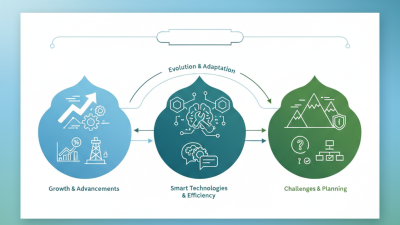
Emerging technologies are set to redefine bucking units by 2026. The integration of automation and IoT sensors will enhance operational efficiency. Recent industry reports indicate that automation can increase productivity by up to 35%. Sensors will provide real-time data analytics. This will improve decision-making on-site.
Sustainability is another key trend. Many manufacturers are focusing on reducing energy consumption and minimizing waste. According to a recent survey, around 65% of companies emphasize eco-friendly practices. This move aligns with global initiatives for responsible resource management.
Challenges exist, though. High initial investment costs for new technologies can be a barrier for smaller operators. Adoption rates vary significantly within the industry. Continuous training and adaptation to new systems will also be necessary, as workforce skill gaps remain. Decision-makers must weigh these factors carefully when considering upgrades.
Top Bucking Unit Trends 2026 What Buyers Need to Know?
| Trend |
Description |
Expected Impact |
Key Technologies |
| Automation Integration |
Increased use of automated systems for efficiency. |
Higher throughput and reduced labor costs. |
AI, Robotics |
| Sustainability Focus |
Shift towards eco-friendly materials and practices. |
Improved brand image and compliance with regulations. |
Biodegradable materials, Energy-efficient designs |
| Data Analytics |
Leveraging big data for improved decision-making. |
Enhanced operational efficiency and predictive maintenance. |
Machine Learning, Cloud Computing |
| Customizable Solutions |
Growing demand for tailored bucking units. |
Greater customer satisfaction and adaptability. |
Modular Designs, Flexible Manufacturing |
| IoT Connectivity |
Integration of IoT for real-time monitoring. |
Improved maintenance and reduced downtime. |
Sensors, Cloud Platforms |
Key Factors Influencing Buyer Decisions in Bucking Units
In the evolving market for bucking units, buyer decisions hinge on several critical factors. Understanding these influences can significantly shape purchasing patterns. Cost efficiency remains at the forefront. Buyers seek units that not only fit their budgets but also provide long-term value. They analyze operational costs, maintenance frequency, and potential downtime.
Technological advancements play a pivotal role. Buyers appreciate innovations that enhance performance and ease of use. Features such as automation and data integration are hot topics. Many buyers express concerns about the learning curve associated with new technologies. User-friendly interfaces become essential for smoother transitions.
Sustainability is another emerging priority. Eco-friendly units attract attention, aligning with broader environmental goals. Buyers want assurance that their choices won't contribute to environmental degradation. However, not all products meet these standards. It's crucial for buyers to scrutinize claims and verify sustainability credentials, ensuring informed choices.
Top Bucking Unit Trends 2026
Environmental Considerations for Sustainable Bucking Units
Sustainable bucking units are becoming essential for the forestry industry. Environmental consideration is crucial for manufacturers and buyers alike. A recent industry report states that eco-friendly bucking units can reduce emissions by up to 30%. This shift not only meets regulatory requirements but also aligns with consumer expectations for sustainability.
Biomass and renewable energy sources are key trends driving innovation. Many companies now focus on using recyclable materials in their products. Reports suggest that this can lead to a 25% decrease in waste generation. However, the industry faces challenges in standardizing eco-friendly practices. Not all materials have clear sustainability ratings, causing confusion for buyers.
Investing in sustainable technology is not without its risks. New systems may have higher upfront costs. However, long-term savings on fuel and maintenance can offset these initial expenses. The landscape is evolving, and buyers must remain vigilant. They should seek out resources that provide thorough evaluations of sustainability in bucking units. The push for greener operations in forestry continues, but understanding true ecological impacts is still vital.
Market Trends and Consumer Preferences in 2026 Bucking Units
As we look ahead to 2026, the market for bucking units is poised for significant transformation. Recent reports indicate that consumer preferences are shifting towards more sustainable and eco-friendly options. A study by the Environmental Research Institute suggests that 68% of potential buyers prioritize sustainability in their purchasing decisions. This trend highlights a growing awareness of environmental impacts, prompting manufacturers to reconsider their production methods and materials.
Moreover, advanced technology integration is becoming a focal point in the industry. Data from the Technology Adoption Council shows that 54% of consumers are attracted to features like enhanced safety measures and smart functionalities. Users expect better tracking systems and improved usability, pushing designers to innovate continually.
However, potential buyers should also consider the complexities involved in choosing the right unit. Discussions with industry experts indicate a gap between consumer expectations and actual product availability. Many models still lack the features that buyers want, resulting in confusion. This landscape presents both opportunities and challenges that require careful evaluation.
Investment Strategies for Buyers in Bucking Unit Technology
As the demand for bucking unit technology grows, buyers must arm themselves with effective investment strategies. Research from the Global Machinery Report indicates a projected compound annual growth rate (CAGR) of 8% for bucking unit technology by 2026. This rapid expansion highlights the importance of understanding market trends and making informed decisions.
Investors should focus on understanding technological advancements in the sector. Features like automation and data integration improve efficiency but come with higher upfront costs. It's crucial to assess the return on investment (ROI). Studies show that high-tech units can yield up to 30% more productivity compared to traditional models.
Tips: Diversify your approach. Consider both established companies and emerging startups. They can offer innovative solutions and potentially higher returns. Keep an eye on market fluctuations. Cost-effective strategies can mitigate risks. Analyze case studies of successful implementations to guide your decision-making process. Understanding the nuances of this sector will empower buyers to make choices that align with their long-term goals.