Top 10 Benefits of Using a Bucking Unit for Your Business?
In today’s competitive landscape, understanding the right tools for efficiency is vital. A Bucking Unit often plays a pivotal role in enhancing productivity. "Bucking Units streamline operations and minimize waste," says John Peterson, a renowned industry expert with over 20 years of experience. His insights shed light on the undeniable advantages of integrating these units into business processes.
Bucking Units are designed for various applications, enabling seamless transitions in operations. They transform raw materials while reducing labor costs. Each unit enhances performance, fulfilling diverse needs in manufacturing and processing. However, they also come with challenges. Implementing a Bucking Unit requires careful planning and training. Businesses may encounter a learning curve during the initial stages.
Reliability is crucial. Investing in a high-quality Bucking Unit can lead to long-term gains. However, not all units are created equal. Assessing different models and their features is essential. Striking a balance between cost and functionality can be a daunting task. Yet, those who navigate these waters successfully often find their operations transformed.
Understanding What a Bucking Unit Is and Its Functionality
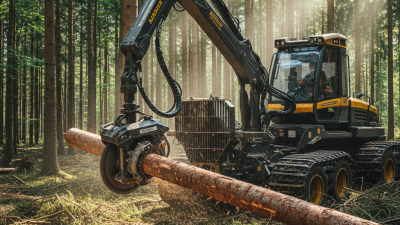
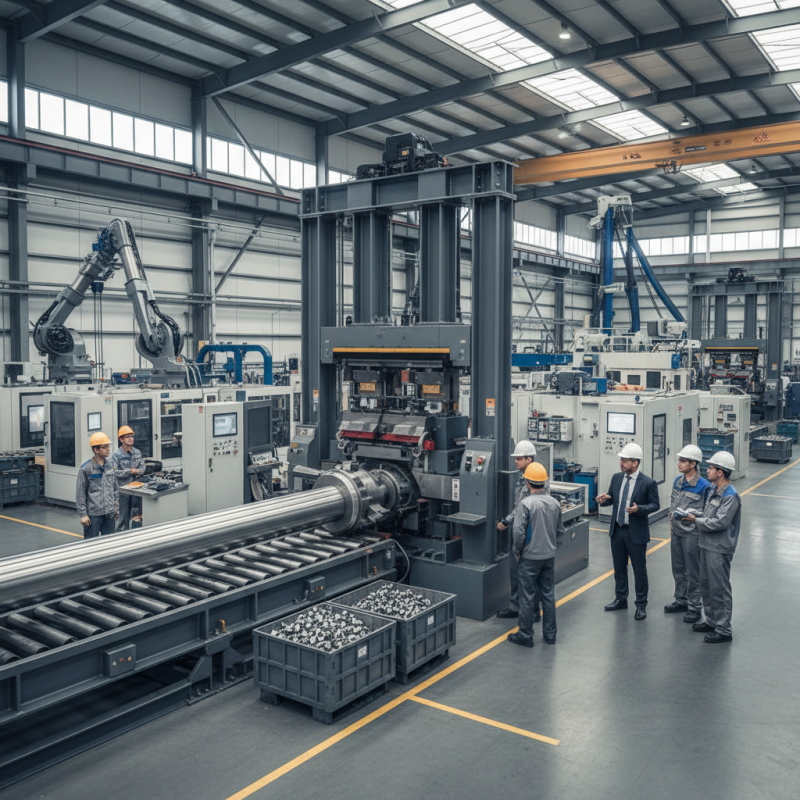
A bucking unit is an essential tool in the logging and timber industry. It typically refers to machinery that processes logs into smaller, more manageable pieces. These specialized units cut large logs into lengths suitable for transportation and further milling. Understanding its functionality is crucial for companies aiming to optimize their operations.
Using a bucking unit streamlines the processing of raw timber. It increases efficiency by reducing manual labor. This technology ensures that logs are cut accurately, minimizing waste. The precision provided by bucking units leads to higher quality end products. Another benefit includes the safety it offers. By automating the bucking process, workers are less exposed to potential hazards.
While investing in a bucking unit can be significant, the long-term gains often justify the expense. Businesses may initially hesitate due to the costs. However, improved productivity can lead to greater profitability. It’s essential to evaluate not just the equipment but also how it integrates with your current operations. The challenges of adaptation often require reflection and adjustment.
Enhancing Efficiency with a Bucking Unit in Operations
A bucking unit can revolutionize daily operations. It optimizes workflow and reduces manual labor. Business efficiency is enhanced when tasks are streamlined. By automating repetitive processes, teams can focus on strategic objectives. This shift increases overall productivity. Workers feel less overwhelmed and more engaged.
Incorporating a bucking unit isn't without challenges. Some employees may resist change, fearing job displacement. Training is crucial to alleviate these concerns. Education on new systems ensures staff adaptability. Performance tracking is essential. Monitoring settings helps identify areas needing improvement. It’s a continuous journey rather than a one-time fix.
Efficiency can lead to better resource management. Waste reduction is another key benefit. Teams can repurpose time and energy to more impactful projects. However, businesses must remain flexible. Regular assessments ensure that the bucking unit meets evolving needs. This adaptability fosters long-term success.
Cost Savings: How a Bucking Unit Reduces Labor and Resource Expenses
A bucking unit can significantly reduce labor and resource expenses for businesses. By automating the processing of materials, these units minimize the need for manual handling. This leads to fewer employees required on-site, which cuts payroll costs. When fewer workers are needed, the savings can be substantial.
Additionally, bucking units optimize resource usage. They provide precise cuts, which reduces material waste. This not only saves money but also conserves valuable resources. However, businesses must assess the initial investment in technology. There can be challenges in training staff to operate new equipment efficiently. Finding a balance between automation and manual processes may be necessary.
Efficient use of technology can increase productivity. Yet, companies must remain vigilant about maintenance and operational costs. A bucking unit requires regular upkeep to function properly. Neglecting this can lead to downtime and additional expenses. Balancing these factors will enhance overall cost-effectiveness. Implementing this technology should be approached strategically for the best results.
Top 10 Benefits of Using a Bucking Unit for Your Business
| Benefit |
Description |
Cost Savings (%) |
| Reduced Labor Costs |
Automates processes, reducing the need for manual labor. |
30% |
| Increased Efficiency |
Speeds up production times and optimizes workflow. |
25% |
| Lower Resource Waste |
Minimizes material wastage during processing. |
20% |
| Enhanced Safety |
Reduces risk of workplace injuries with automated handling. |
15% |
| Improved Quality Control |
Ensures consistent quality through automated monitoring. |
10% |
| Scalability |
Easily adjust production levels to meet demand. |
18% |
| Reduced Downtime |
Minimizes machine breakdown and maintenance issues. |
12% |
| Faster Return on Investment |
Quickens the payback period for investments in technology. |
22% |
| Environmental Benefits |
Promotes sustainability by reducing energy consumption. |
15% |
| Competitive Advantage |
Enhanced productivity allows better pricing and services. |
20% |
Improving Safety Standards in the Workplace with Bucking Units
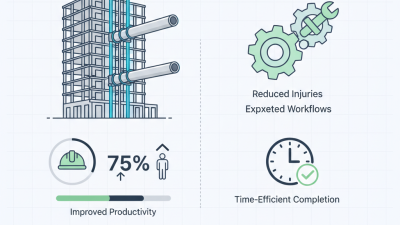
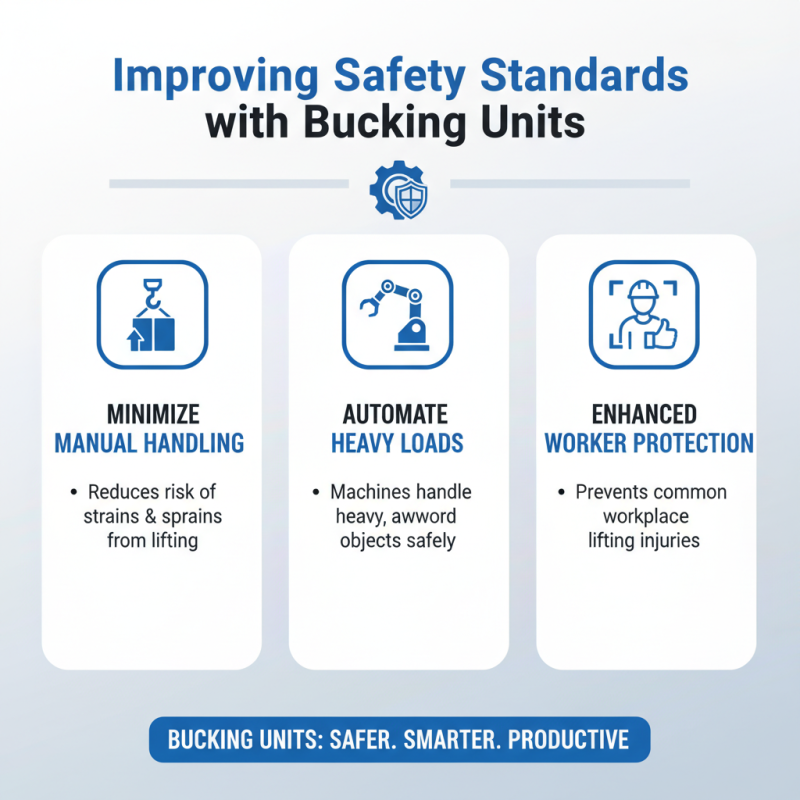
Bucking units can significantly enhance safety standards in the workplace. They serve as essential tools in various industries. These machines minimize manual handling, which reduces the risk of injury. Workers often face hazards when lifting heavy loads. By automating this process, bucking units help prevent strains and sprains.
Furthermore, these units provide a controlled environment for operations. Operators can work from a safe distance, limiting exposure to dangerous situations. It's crucial to ensure that all safety protocols are followed while using these machines. Workers may feel confident but should always remain vigilant. Regular training and safety audits keep everyone informed.
Transitioning to bucking units isn't just about safety; it reflects a commitment to employee well-being. Some employees may resist change, fearing loss of jobs. Engaging them in discussions about the benefits can alleviate concerns. Ultimately, prioritizing safety often leads to improved productivity and morale.
Boosting Product Quality and Consistency through Automated Bucking Solutions
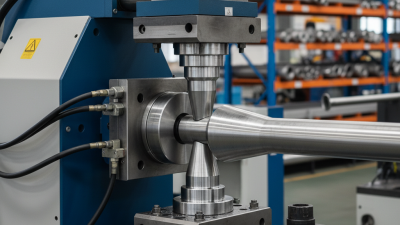
Automated bucking solutions are revolutionizing various industries by enhancing product quality and consistency. These systems streamline the bucking process, allowing businesses to produce products with unparalleled precision. The automation reduces human error significantly, ensuring each piece meets the desired specifications.
Moreover, these technologies provide real-time data analysis. This feature helps operators identify inconsistencies during production quickly. By pinpointing issues as they arise, businesses can implement corrective measures immediately. While this efficiency is remarkable, companies must remain vigilant. Not all automated systems are flawless; occasional malfunctions can occur. Regular maintenance and staff training are crucial.
Investing in a bucking unit doesn't eliminate the need for skilled workers. Human oversight is still essential to ensure automation is effective. Balancing technology with expertise creates a more reliable production environment. The journey to improved quality and consistency must involve ongoing evaluation and adaptation.
Top 10 Benefits of Using a Bucking Unit for Your Business
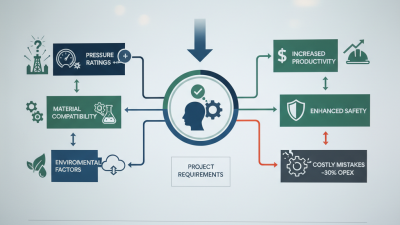
This chart illustrates the advantages of utilizing a bucking unit in various aspects of business operations, highlighting significant improvements in product quality, efficiency, and cost-effectiveness.