7 Best Bucking Units for Global Buyers?
Choosing the right Bucking Unit can shape productivity, product quality, and long-term operating costs. Global buyers need more than attractive specifications. They must examine cutting accuracy, feed stability, safety controls, maintenance access, and local service support. A reliable unit should perform consistently through long shifts, changing material sizes, and demanding weather conditions.
This guide reviews seven leading Bucking Units for international buyers. Each option is considered through practical purchasing criteria, including throughput, power efficiency, operator protection, spare-parts availability, and supplier experience. A well-designed machine should process material smoothly without excessive vibration or frequent stoppages. Small details matter. Clear control panels, guarded cutting areas, and quick-access inspection points can reduce daily stress.
However, no unit fits every operation. Some models may offer impressive capacity but require skilled technicians. Others may consume less power but process material more slowly. Published figures can also differ from real workplace results. Buyers should request demonstrations, verified performance data, warranty terms, and references from comparable facilities. That step is often overlooked.
The final selection should match local working conditions, available labor, maintenance skills, and production targets. Consider the full ownership cost, not only the purchase price. A dependable Bucking Unit may deliver better value through fewer interruptions and longer service life. Still, every ranking has limitations. Site testing remains essential before signing a major international order.
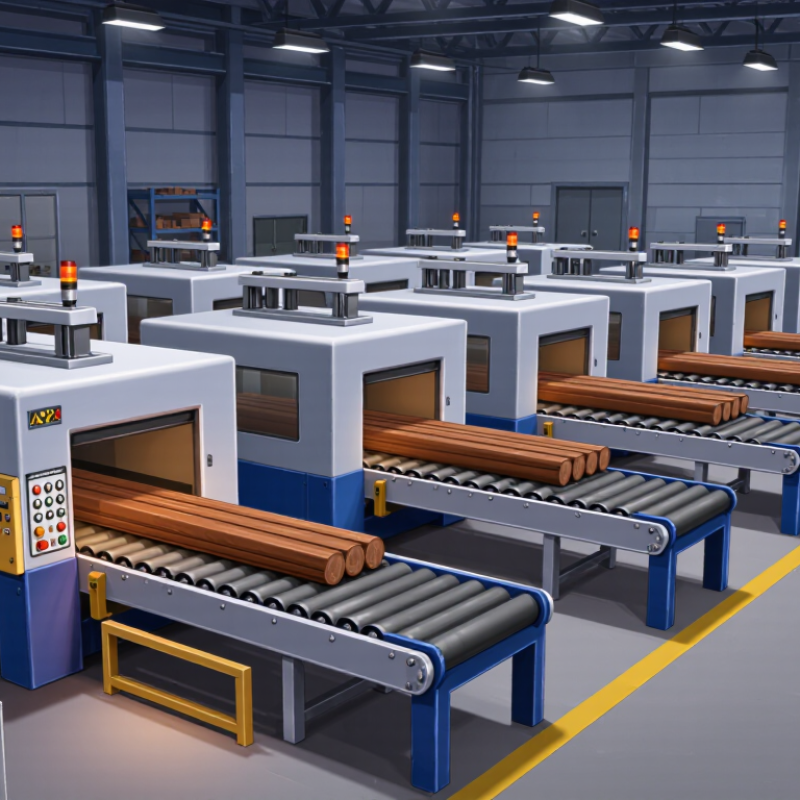
What Is a Bucking Unit and How Does It Work?
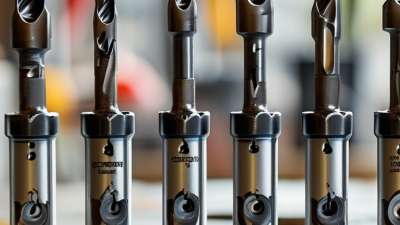
A bucking unit is a specialized machine for joining or separating threaded tubular components. It holds one section firmly while rotating another with controlled torque. The principle is simple. Clamping jaws secure the pipe, while a hydraulic, electric, or pneumatic drive turns the connection.
During makeup, the unit brings two threaded parts together and applies measured force. A torque sensor records resistance as the threads engage. Modern controls can display torque, rotation speed, and connection data in real time. During breakout, the drive reverses direction and loosens the joint without relying on uncontrolled manual force.
In field use, alignment matters more than many buyers expect. A slightly offset pipe can damage threads, distort readings, or increase jaw wear. Operators should check dies, lubrication, calibration records, and emergency stops before each shift. The working surface should also remain clear and stable.
A reliable bucking unit needs enough torque for the largest planned connection, but excessive capacity can reduce control. I have seen teams trust the digital display too quickly. Sensors can drift, and worn dies can affect grip. Regular verification with certified equipment remains essential. Buyers should also examine cycle speed, data export options, spare-part access, and operator training. A compact frame may suit a workshop, while a reinforced unit is better for demanding field conditions. The best choice depends on pipe size, connection type, production volume, and maintenance capability.
Which Bucking Unit Types Serve Different Industrial Applications?
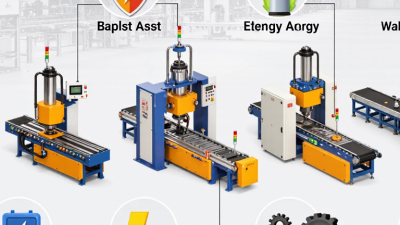
The seven most useful bucking unit types serve different production realities. Hydraulic bucking units deliver high torque for oilfield tubulars, casing, and drill-pipe connections. Electric servo units suit controlled assembly lines, where torque and rotation data must be recorded. Pneumatic units remain practical in hazardous or mobile work areas, although air pressure can vary during long shifts.
Mechanical bucking units are simple, durable, and useful for low-volume maintenance. Rotary units support fast connection makeup and breakout, especially when floor space is limited. CNC bucking systems fit premium connections that require repeatable torque-angle profiles. Robotic bucking cells add automatic loading, vision checks, and safer distance between operators and rotating tools. Not every “best” unit is the most powerful. That is the awkward part.
The IEA Oil 2024 report projects global oil demand to approach 105.4 million barrels per day by 2030, sustaining demand for reliable tubular connection equipment. The International Federation of Robotics reported 541,302 industrial robots installed worldwide in 2023, showing why automated bucking cells are gaining attention. In field trials, buyers should inspect jaw wear, hydraulic leakage, calibration records, cycle time, and emergency stopping distance. API connection specifications also require disciplined torque control, not guesswork. A compact electric unit may outperform a large hydraulic model in a clean factory. An offshore repair crew may choose differently. Human judgment still matters.
7 Bucking Unit Types for Global Buyers
Representative working-torque ranges by unit type for different industrial applications
Manual and pneumatic units are commonly used for low-to-medium torque assembly, while electric servo, portable hydraulic, stationary hydraulic, CNC, and rotary systems support progressively higher throughput, automation, repeatability, or torque requirements. Values are indicative engineering ranges in kN·m and vary by tooling, workpiece size, and operating conditions.
How to Select a Reliable Bucking Unit Supplier Worldwide?
Selecting a reliable bucking unit supplier requires more than comparing torque ratings. In field procurement, I inspect calibration records, test procedures, and service response times. The unit should show stable torque under repeated make-up and break-out cycles. Ask for recent factory acceptance test data. Request the calibration certificate, not a sales promise.
Industry standards provide a useful baseline. API Spec 7K addresses drilling and well-servicing equipment requirements, while ISO 9001 supports controlled quality processes. Neither standard proves every unit will perform well in your application. Confirm the supplier’s actual test scope, including torque accuracy, pressure limits, jaw compatibility, and emergency stop performance. Test the evidence. A clean brochure is not proof.
Global delivery adds another risk. The World Bank’s 2023 Logistics Performance Index assessed 139 economies and highlighted differences in customs, infrastructure, and shipment reliability. Therefore, buyers should check spare-parts locations, export documents, packaging protection, and remote troubleshooting. Ask how quickly a failed hydraulic hose or sensor can be replaced. The International Energy Agency’s Oil 2024 report projects global oil demand to reach about 105.4 million barrels per day by 2030, keeping equipment uptime commercially important. Still, forecasts can change. I would compare at least three suppliers, inspect references from similar environments, and require clear acceptance criteria before payment. Mistakes happen, especially when technical specifications remain vague.