How to Choose the Best Pipe Elevators for Your Needs?
Choosing the best pipe elevators for your specific needs is crucial in the construction and manufacturing sectors. According to John Smith, a leading expert in the pipe handling industry, “Selecting the right pipe elevator can greatly enhance efficiency and safety.” His insights highlight the significant impact of the right equipment on operations.
In a market filled with options, understanding your requirements is vital. Pipe elevators come in various designs and specifications, aiding in lifting heavy pipes securely. Each type serves distinct functions, tailored to specific tasks. Choosing incorrectly can lead to operational setbacks. For instance, using an elevator not suited for a pipe's weight may result in accidents.
Expertise in selecting pipe elevators is key. Evaluate factors like the environment, load capacity, and safety features. Look for reputable brands and read client reviews. This helps build confidence in your choice. The right pipe elevator not only improves productivity but also promotes a safer workplace for everyone involved. Reflecting on selections made can illuminate areas for improvement in the future.
Understanding Pipe Elevators: Types and Applications
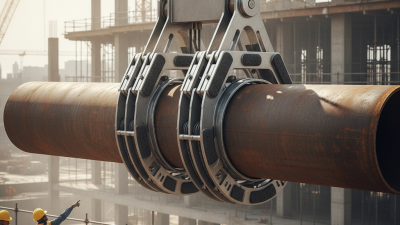
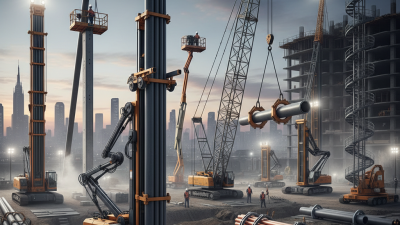
Pipe elevators are essential tools in the construction and manufacturing industries. They are specifically designed to lift and transport heavy cylindrical objects, such as pipes. Understanding the different types and applications of pipe elevators can help ensure the right choice for your needs.
There are several types of pipe elevators, each suited for specific applications. Manual pipe elevators require operators to lift the pipe using their strength. These are useful for small jobs but can be labor-intensive. Mechanical elevators, on the other hand, leverage machinery to facilitate lifting. They enhance efficiency and reduce physical strain on workers. Despite these advantages, they can be more expensive and may require regular maintenance. Each type has its place in various work environments, depending on the required lifting capacity and frequency of use.
Choosing the right pipe elevator requires consideration of factors such as pipe weight, lifting height, and workspace conditions. Assessing these factors is crucial, but it is also important to recognize potential shortcomings. Not every elevator is perfect for every job. For instance, a mechanical elevator might not fit in tight spaces. Always evaluate the specific needs of your operation and be open to the possibility of revisiting your choice as your requirements evolve.
Key Factors to Consider When Selecting Pipe Elevators
When selecting pipe elevators, various factors must be considered to ensure optimal performance. Load capacity is crucial. According to industry reports, most pipe elevators typically can lift loads between 10,000 to 15,000 pounds. Understanding the weight and size of the pipes you plan to handle directly impacts your choice. Always remember to overestimate slightly to account for unexpected weight variations.
Material quality also plays a vital role. Steel and aluminum are common choices. Steel offers robustness and resilience, while aluminum provides a lighter, more portable option. However, while aluminum is lighter, it may lack the durability of steel in heavy-duty applications. Corrosion resistance is another aspect to review. Elevators often work in environments exposed to elements that can cause rust and degradation. A reliable finish can enhance longevity and effectiveness.
Consider the operational environment. Are your pipe elevators used outdoors or in confined spaces? Safety features, such as locking mechanisms and weight indicators, are essential for minimizing accidents. Furthermore, user feedback from industry professionals frequently highlights the importance of ergonomic design. A well-designed elevator reduces strain on operators and increases efficiency, but this is often overlooked in initial selections. Balancing these elements requires thoughtful reflection on both immediate needs and long-term operational goals.
How to Choose the Best Pipe Elevators for Your Needs? - Key Factors to Consider When Selecting Pipe Elevators
| Feature |
Description |
Importance |
Ideal For |
| Load Capacity |
The maximum weight the elevator can handle. |
High |
Large diameter pipes |
| Design Type |
Type of pipe elevator, e.g., single or double clamp. |
Medium |
Various construction setups |
| Material |
Constructed from steel, aluminum, etc. |
High |
Durability and weight considerations |
| Safety Features |
Includes safety locks, fail-safes, etc. |
High |
Safety regulatory compliance |
| Height Adjustment |
Ability to adjust the height for different tasks. |
Medium |
Variety of project requirements |
| Transportation |
Ease of transporting the elevators to job sites. |
Medium |
On-site projects |
Safety Standards and Regulations for Pipe Elevators
When selecting pipe elevators, understanding safety standards is crucial. These guidelines ensure the equipment operates reliably and protects workers. Regulations govern load capacities, materials, and testing procedures. Compliance with these standards minimizes risks during operations.
It’s essential to check that the pipe elevators meet local safety regulations. New designs may include advanced safety features. Regular inspections are critical to maintaining safety standards. Keeping detailed records of these inspections adds another layer of reliability.
Tips: Always ensure that the equipment you choose is certified. Check for signs of wear and tear regularly. Training for operators also contributes to safety effectiveness. Workers should feel confident using the equipment. Clear communication about safety practices is vital to mitigate risks.
Comparative Analysis of Pipe Elevator Brands on the Market
When evaluating pipe elevator brands, it's essential to focus on their reliability and performance. Different models offer various specifications suited to unique lifting needs. Understanding these differences helps in making an informed decision. Not all brands meet the same standards, and some may lack detailed product descriptions.
Consider the materials used in construction. High-quality materials enhance durability and safety. While some brands shine here, others might fall short. A comprehensive comparison allows potential users to identify these nuances. Check for certifications. Many credible brands adhere to industry standards, providing assurance to users.
Tips for choosing wisely: Assess user reviews to gauge real-world performance. Double-check the warranty terms; a good warranty reflects confidence in the product. Lastly, consult industry experts to gain insights into current trends.
Allocating time for research is fundamental. Each lifting requirement is unique; a one-size-fits-all approach could lead to unsatisfactory outcomes. Reflection on past experiences with different brands can also guide decisions. Think critically about what works best in your context. Determining the right fit may take time, but it's a worthwhile investment in safety and efficiency.
Real-World Performance Metrics of Pipe Elevators
When selecting pipe elevators, real-world performance metrics are crucial. Understanding load capacity is paramount. Many reports indicate that pipe elevators can handle loads from 5 tons to 20 tons, depending on design. A study by the Industrial Processing Association found that appropriate material selection maximizes durability and safety.
Tip: Always assess the working environment. Conditions like temperature and humidity can affect materials. Choose pipe elevators made from corrosion-resistant materials when operating in harsh environments.
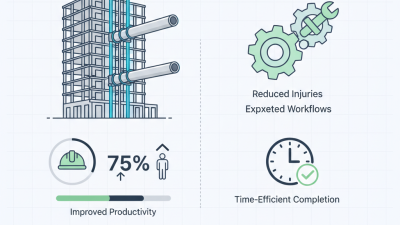
Another key metric is the cycle time during operations. Research suggests that optimal cycle times can improve efficiency by up to 25%. However, this depends on the proper alignment and function of the elevator systems. Inadequate maintenance can lead to increased downtime, impacting productivity.
Tip: Routine inspections can help identify wear and tear. Regular upkeep ensures that your pipe elevators function reliably and protect your investment.
Understanding metrics like load capacity and cycle times helps in making an informed choice. Customer surveys often highlight that reliability is a top concern. However, frequent changes in industry standards can create uncertainty. Staying updated with these changes is essential for safe equipment use.