How to Choose the Right Roller Reamers for Your Needs?
Choosing the right roller reamers is crucial for successful drilling projects. These tools can significantly impact efficiency and quality in the field. Roller reamers help to enlarge wellbore diameters and improve borehole stability. However, not all roller reamers are created equal.
When selecting roller reamers, consider the specific needs of your operation. Factors such as formation type, well configuration, and drilling conditions play a vital role. Different designs cater to various challenges in the drilling process. Experience tells us that the wrong choice can lead to operational delays and increased costs.
Understanding the technical nuances of roller reamers is essential. For instance, the number of the arms, the size of the bearings, and the material used affect performance. Taking the time to analyze these details ensures you make informed decisions. With careful consideration, you can enhance drilling success and reduce risks in your projects.
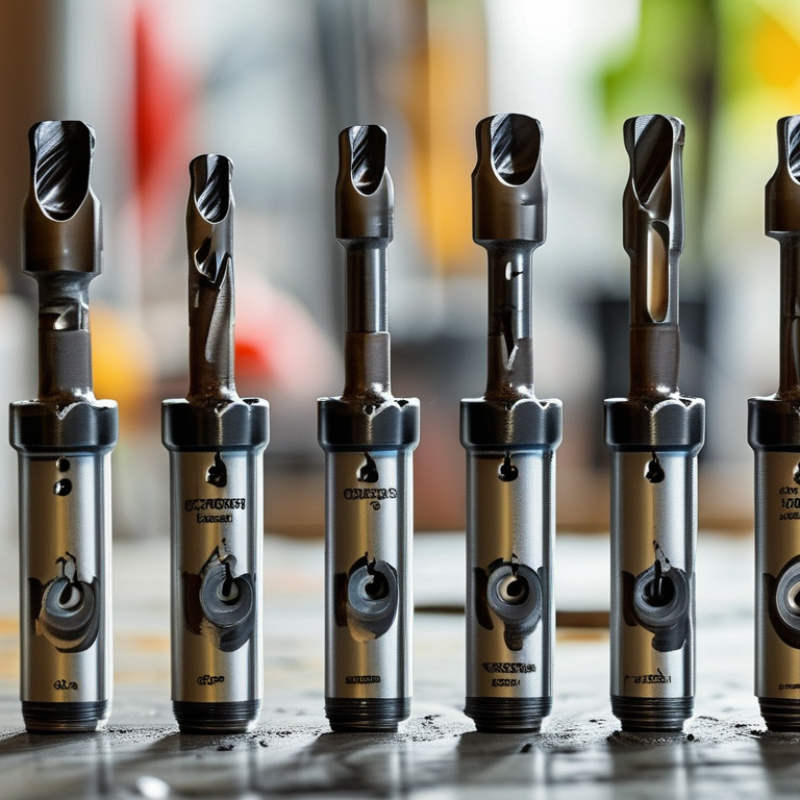
Understanding Roller Reamers and Their Applications
Roller reamers are vital tools in drilling operations, used to enlarge existing holes in varying formations. Understanding their applications can help you choose the right one for your needs. These tools have rotating rollers that expand the hole diameter while minimizing the risk of damaging the wellbore. They offer precision and stability, crucial in ensuring efficient drilling and well integrity.
The design of roller reamers varies depending on geological conditions. In softer formations, you may need a reamer with fewer teeth to prevent excessive wear. Conversely, in harder rocks, a more robust design is necessary. It’s also essential to consider the well’s trajectory. Horizontal or deviated wells require specific reamer models that can handle different stress levels. Reflecting on your specific drilling challenges can lead to better equipment choices.
In practice, selecting the correct roller reamer is not straightforward. Misjudging the formation type can lead to premature tool failure. Sometimes, reamer performance can disappoint even with the right specifications. Listen to feedback from team members who use these tools regularly. Their insights can bridge the gap between theoretical knowledge and practical application. Engaging with experienced professionals in drilling will enhance your understanding of how roller reamers can significantly impact drilling efficiency.
Factors to Consider When Selecting Roller Reamers
When selecting roller reamers, it's crucial to consider various factors. The type of formation is one of the primary elements. Different rock types may require specific designs. According to a recent industry report, reamers designed for hard formations often outperform standard models by 30% in terms of durability. This increased efficiency can significantly reduce downtime during drilling operations.
Another important aspect is the borehole size. Roller reamers come in various sizes. Choosing the correct size can influence the reaming process. A mismatch can lead to increased friction and wear. An analysis indicated that using the right size can extend the lifespan of the reamer by up to 40%. Therefore, assessing the borehole's dimensions is vital for effective operations.
Moreover, consider the drilling fluid properties. The viscosity and density of the fluid can impact the reaming efficiency. Fluid that is too thick can hinder the reaming process. Data reveals that optimizing fluid properties can enhance the cutting action, thereby improving overall performance. It’s essential to strike a balance that suits both the tool and the formation for optimal results.
Types of Roller Reamers and Their Unique Features
Roller reamers are essential tools in drilling operations, and understanding their types is crucial. Various designs cater to specific needs. For instance, expanding roller reamers adapt to wellbore conditions. They can widen the borehole efficiently and ensure better removal of cuttings. This adaptability is vital in diverse geological environments.
Another category is the fixed roller reamer. These tools deliver consistent results in straight drilling. They feature hardened rollers that provide stability and durability. This makes them reliable for maintaining hole integrity. However, they may struggle in challenging formations, requiring careful consideration when selecting.
Choosing the right roller reamer involves understanding your specific requirements. Each design has unique features that address different drilling challenges. Evaluating factors like formation type and hole size will guide your decision. This process may seem straightforward, but nuances often require deeper reflection on operational needs.
Evaluating Quality and Durability in Roller Reamers
When evaluating roller reamers, it's crucial to focus on quality and durability. Many factors contribute to the overall performance of these tools. High-quality materials are essential. They should resist wear and corrosion during prolonged use. Look for reamers with robust construction that can handle various drilling conditions. This ensures that they perform consistently, even under pressure.
Durability is often reflected in the design of the reamer. Innovative features can enhance its lifespan. For example, the cutting elements should maintain their sharpness longer. The arrangement of these elements plays a key role in effective drilling. Some users overlook the impact of design, affecting the reamer's efficiency. Understanding these details is vital for making an informed choice.
Testing the reamers in real-world conditions can reveal their true performance. Users might find that some reamers excel in specific applications while struggling in others. This reflection can lead to better decision-making in future purchases. It's important to strike a balance between cost and quality. Investing in higher-quality reamers may yield better results and save time and resources.
Tips for Proper Maintenance and Usage of Roller Reamers
Proper maintenance of roller reamers is vital for enhancing their lifespan and performance. Regularly inspect the tools for wear and damage. Look for cracks or dull edges that can reduce effectiveness. Clean the reamers after each use. This prevents debris buildup, which can affect function. Storing them in a dry environment helps avoid corrosion.
Effective usage requires a understanding of the materials involved. Monitor the drilling conditions closely. Overheating can lead to tool failure, so adjust speeds as necessary. Apply proper lubrication to reduce friction and wear. Pay attention to vibrations during operation—excessive vibration can indicate issues.
Incorporating these practices will refine your reaming process. However, challenges can arise even with diligent care. It’s important to reassess your methods and tools periodically. Seek feedback from experienced operators. Continuous improvement is essential in optimizing your equipment handling.
How to Choose the Right Roller Reamers for Your Needs? - Tips for Proper Maintenance and Usage of Roller Reamers
| Feature |
Description |
Considerations |
| Size |
Choose a size that matches your drilling requirements. |
Smaller sizes may limit functionality, while larger sizes can be cumbersome. |
| Material |
Common materials include carbide and steel. |
Durability and wear resistance are key factors. |
| Design |
Roller reamers come in various designs for different applications. |
Select a design that suits the specific geological conditions. |
| Maintenance |
Regular cleaning and inspection are crucial. |
Preventive maintenance can extend the life of the tool. |
| Usage |
Follow manufacturer guidelines for optimal performance. |
Improper usage can lead to tool failure and costly repairs. |