Top Pipe Elevators for Efficient Construction Solutions?
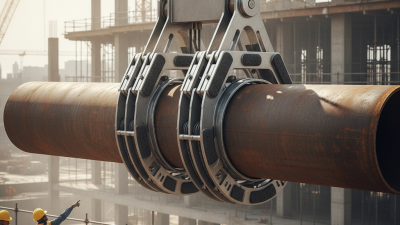
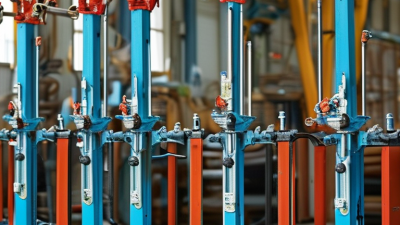
In the fast-paced world of construction, the efficiency of operations is paramount. Pipe Elevators play a pivotal role in enhancing productivity on construction sites. These innovative tools allow for the safe and effective handling of heavy pipes, essential for various infrastructure projects.
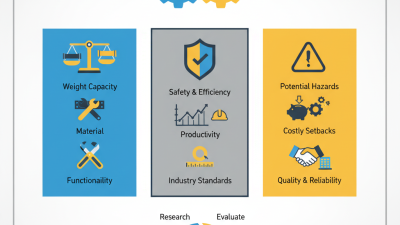
The proper choice of Pipe Elevators can streamline workflows significantly. Selecting the right model ensures that safety standards are met while minimizing the risk of accidents. Despite advancements, there are still challenges in optimizing their use and maintaining reliability. It’s evident that more education and training are needed to maximize their potential.
Moreover, while Pipe Elevators are crucial, they are not a perfect solution. Users must be aware of the need for regular inspection and maintenance to ensure safety and functionality. Acknowledging these aspects is vital for a successful construction project. Addressing these gaps can lead to better practices and improved outcomes in the industry.
Overview of Pipe Elevators in Construction Industry
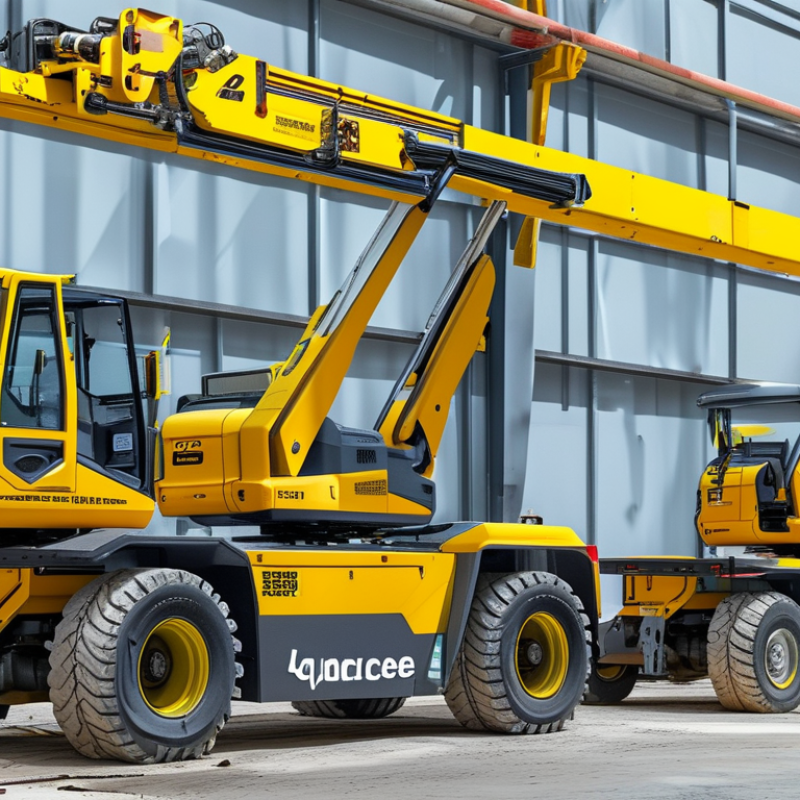
Pipe elevators play a crucial role in the construction industry, especially for handling heavy pipes. They ensure safer and more efficient lifting operations on job sites. According to a recent report by the Construction Industry Institute, injuries linked to improper lifting procedures account for approximately 25% of construction site accidents. This underscores the need for effective equipment such as pipe elevators.
Modern pipe elevators offer improved safety features and user-friendly designs. Many models today incorporate automated systems that reduce manual labor and increase lifting precision. Industry stats show that projects utilizing advanced lifting equipment have seen a significant reduction in downtime—up to 30%. Despite these advancements, challenges remain. Not all workers are adequately trained to use these tools, which can lead to accidents and inefficiencies.
Furthermore, the varying weight and size of pipes across projects further complicates lifting operations. Proper selection of pipe elevators is essential to match specific requirements. Some reports indicate that improper equipment can result in costly delays. The industry continues to evolve, and staying informed about the latest technology and training is vital for successful operation. Every construction site must prioritize safety through the proper deployment of lifting equipment.
Key Features of High-Performance Pipe Elevators
When selecting pipe elevators, understanding their key features is vital for enhancing construction efficiency. High-performance pipe elevators should demonstrate excellent load capacity. The Oil and Gas Report of 2022 highlights that equipment with a lifting capacity exceeding 50 tons significantly reduces downtime during heavy lifting projects. This capability is crucial in large-scale installations, where delays can lead to increased costs and resource wastage.
Safety features are another critical aspect. Advanced locking mechanisms must ensure secure handling of pipes. An industry survey indicated that over 30% of lifting accidents stem from equipment failure. Therefore, modern pipe elevators integrate robust safety systems, preventing unintended releases. Moreover, user-friendly designs that enable quick adjustments draw attention. Operators require equipment that is easy to manage under pressure.
Durability is essential for high-performance pipe elevators. They must withstand harsh conditions commonly found on construction sites. A report from the Construction Equipment Institute reveals that equipment life expectancy shortens with exposure to corrosive elements. Lifting solutions made from high-strength materials can minimize this issue. However, proper maintenance remains a challenge. Many contractors overlook routine checks, leading to unforeseen equipment failures. Ensuring that operators stay diligent can enhance overall safety and performance in the field.
Types of Pipe Elevators for Various Construction Needs
When considering pipe elevators, understanding their types is crucial. Various construction projects have unique needs that dictate the choice of equipment. Common types include manual, electric, and hydraulic pipe elevators. Each type serves a specific purpose and offers distinct advantages.
Manual pipe elevators are ideal for small-scale projects. They are lightweight and easy to operate for lifting smaller pipes. However, they can be labor-intensive and may lead to fatigue over time. Electric models are more efficient for larger tasks. They require less manual effort but can increase the upfront investment and maintenance needs.
Hydraulic pipe elevators provide high lifting capacity. They are perfect for heavy-duty applications. However, the complexity of these systems can lead to potential failures if not regularly maintained. It's essential to understand the working conditions to choose the right type.
Tip: Always assess the weight and size of the pipes before deciding on a pipe elevator type. This helps in selecting the most efficient option. Also, train operators thoroughly to minimize the risk of accidents and improve productivity.
Lastly, reviewing industry reports is beneficial. According to a recent market analysis, the demand for efficient lifting solutions in construction is expected to grow by 5% annually. Identifying emerging trends will keep your project competitive.
Top Pipe Elevators for Efficient Construction Solutions
Benefits of Using Pipe Elevators for Construction Efficiency
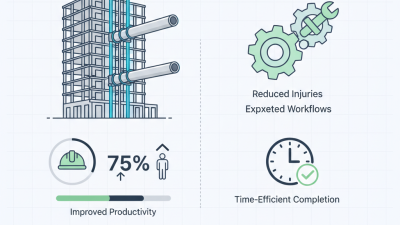
Pipe elevators play a crucial role in enhancing construction efficiency. These devices allow workers to lift and maneuver heavy pipes with ease. Reports reveal that using pipe elevators can reduce labor costs by up to 30%. This significant figure highlights their impact on project timelines and budgets.
Safety is another key benefit. The construction industry faces high accident rates, with the U.S. Bureau of Labor Statistics noting that nearly 20% of worker fatalities in 2022 were in construction. By using pipe elevators, workers minimize risks associated with lifting heavy materials manually. This technology reduces strain injuries, which accounted for about 30% of workplace injuries last year.
However, not all projects may benefit equally from pipe elevators. Factors such as site layout and materials used can affect their efficiency. It’s important to consider these variables. While pipe elevators offer clear advantages, they should be part of a broader strategy to improve construction practices. Reviewing site-specific conditions is essential for maximizing their benefits.
Safety Considerations When Using Pipe Elevators
When using pipe elevators, safety must be a primary focus. These tools assist in lifting heavy materials, but they also pose risks. According to the Occupational Safety and Health Administration (OSHA), improper use can lead to severe injuries. Data indicates that nearly 50% of construction site accidents involve lifting operations. This statistic underscores the importance of safety training and proper equipment use.
Before operating pipe elevators, workers should wear appropriate personal protective equipment (PPE). Hard hats, gloves, and steel-toed boots significantly reduce the risk of injuries. Moreover, proper training is essential. Workers should understand the load limits specified by manufacturers. Exceeding these limits can result in equipment failure.
Regular inspections are crucial to maintain safety standards. Visual assessments help identify wear and potential malfunction. A report from the National Institute for Occupational Safety and Health (NIOSH) highlights that 30% of accidents could be prevented with routine maintenance checks. Keeping an eye on the equipment's condition ensures a safer work environment. However, many construction sites overlook this practice, reflecting a need for enhanced safety protocols.