Why Choose Pipe Elevators for Your Lifting Needs?
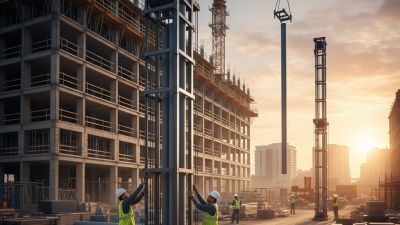
In the world of heavy lifting, "Pipe Elevators" stand out due to their efficiency and precision. Experts in the industry recognize their importance. John Smith, a noted engineer with over 20 years of experience, emphasizes, "Pipe Elevators streamline the lifting process and enhance safety on the job site." These machines are designed to simplify the handling of large, heavy pipes, ensuring that tasks are completed smoothly and effectively.
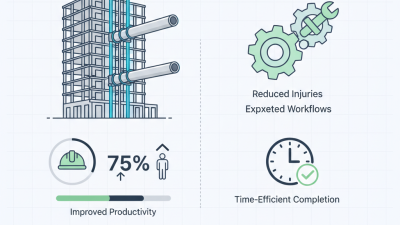
Using Pipe Elevators can significantly reduce physical strain on workers. This not only improves productivity but also minimizes the risk of injuries. Many in the field agree that traditional lifting methods cannot compete with the advantages provided by Pipe Elevators. They facilitate fast and secure pipe movement, essential for construction and oil industries.
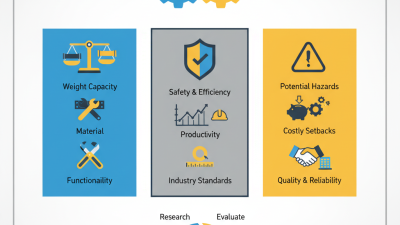
However, it's crucial to consider the selection of the right equipment. Not all Pipe Elevators are suitable for every job. Ensuring compatibility and weighing various options requires thoughtful evaluation. Investing in high-quality Pipe Elevators can result in long-term benefits—and potentially avoid costly errors. When it comes to lifting needs, focusing on the right tools can make all the difference.
Benefits of Using Pipe Elevators in Industrial Applications
Pipe elevators are indispensable tools in various industrial settings, specifically designed to handle the unique challenges of lifting pipe sections. Their robust construction ensures they can manage the heavy loads associated with pipes, increasing efficiency during installation and maintenance tasks. By using pipe elevators, companies can avoid potential injuries caused by manual lifting, enhancing worker safety.
Incorporating these elevators not only streamlines operations but also minimizes the risk of damage to both pipes and equipment. Using a pipe elevator enhances stability; it securely grips the load, which reduces the likelihood of slippage. The advantage of using this equipment is clear. However, teams must still remind themselves to inspect the elevators regularly. Wear and tear can lead to malfunctions, which can pose risks.
Tips: Always ensure that operators are trained in using pipe elevators correctly. Regular maintenance is essential for safety. When not in use, store these elevators properly to avoid structural damage. The quality of the lift can significantly affect the overall productivity of the crew. Make it a practice to conduct quick checks at the start of each shift to ensure everything is in working order.
Key Features and Specifications of Pipe Elevators
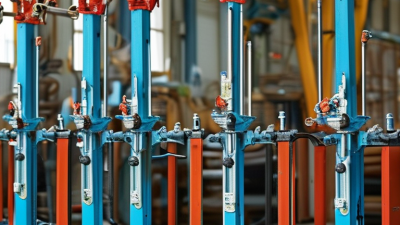
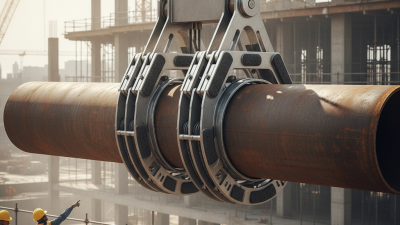
When considering lifting equipment, pipe elevators stand out for their unique functionality. These tools specialize in lifting and moving heavy pipe sections safely and efficiently. They feature robust construction, often made from high-strength materials to endure heavy loads. Their design often includes adjustable grips to accommodate various pipe sizes. This adaptability is crucial in industries like construction and manufacturing.
Key specifications of pipe elevators typically include load capacities ranging from several tons to more than ten. This capability ensures they can handle the demands of various projects effectively. Operators should be aware of the maximum lifting heights too. Some models can lift pipes high enough for tall structures. However, potential buyers must reflect on their specific needs to avoid overloading.
Safety features also play a vital role. Many pipe elevators have built-in locking mechanisms to secure loads during transport. This prevents unexpected slips and enhances overall worker safety. However, maintenance is essential for reliability. Regular inspections can help identify wear and tear. Users must remain vigilant about these details to ensure long-term efficiency.
Safety Standards and Compliance in Pipe Lifting Equipment
When choosing pipe elevators, safety standards are paramount. Compliance with OSHA and ANSI guidelines ensures that lifting equipment is safe for workers. A recent study found that approximately 12% of workplace injuries are linked to improper lifting equipment. This highlights the importance of using well-designed pipe elevators.
Pipe elevators must meet rigorous safety criteria. According to industry reports, equipment must pass load testing, which often exceeds a two-to-one safety factor. For instance, a pipe elevator rated for a 2,000-pound load should be tested to handle 4,000 pounds. Failure to adhere to these standards can lead to accidents, exposing workers to serious risks.
Regular inspections are critical to maintaining compliance. A survey from the National Safety Council revealed that nearly 30% of companies neglect routine equipment checks. This oversight can create dangerous conditions in the workplace. Investing in reliable pipe elevators aids in boosting safety and preventing incidents, while also promoting a culture of responsibility among employees. Safety in lifting is not just a guideline; it is a necessity.
Cost-Effectiveness of Pipe Elevators Compared to Other Solutions
When considering lifting solutions, pipe elevators stand out for their cost-effectiveness. According to industry research, pipe elevators can reduce operational costs by up to 30% compared to traditional lifting methods. This reduction is largely due to their design, which allows for precise and efficient lifting. By minimizing manual handling, they decrease labor costs and the risk of workplace injuries.
Moreover, maintenance expenses for pipe elevators are notably lower. A report by the Lifting Equipment Engineers Association suggests that the maintenance costs for advanced lifting equipment can be as much as 20% higher than those for pipe elevators. Their simpler mechanics contribute to longer service life and fewer breakdowns. Companies can also see a return on investment within a year of implementation, making them a smart choice.
Another aspect to consider is the adaptability of pipe elevators. They can work in various environments, from construction sites to manufacturing facilities. However, it's essential to assess specific needs and the working environment before choosing a solution. Not every situation may favor pipe elevators, and oversights in training or application can lead to inefficiencies. Balancing cost with practicality is crucial for optimal outcomes.
Cost-Effectiveness of Pipe Elevators Compared to Other Lifting Solutions
This bar chart illustrates the average cost per hour of various lifting solutions. Pipe elevators offer a significantly lower cost compared to other options like hoists, cranes, and forklifts, making them a cost-effective choice for lifting needs.
Market Trends and Innovations in Pipe Elevator Technology
The lifting industry is witnessing remarkable innovations, especially in
pipe elevator technology. As construction projects grow in complexity,
the demand for efficient lifting solutions increases. Modern pipe
elevators are designed with advanced materials that enhance durability and reduce weight. This shift allows for
easier handling and safer lifting of heavy loads, which is essential for
today’s construction environments.
Additionally, smart technology integration is
becoming prevalent. Many pipe elevators now feature sensors to monitor load capacity and operational efficiency.
This real-time data can help operators identify potential issues before they
become serious problems. However, the adoption of such technology presents challenges that require careful
consideration. Not all users are well-versed in technical maintenance, which can lead to safety risks if not
addressed properly.
Market trends also show a push towards customization. Companies are
exploring tailored solutions to meet specific project needs. However, such customization can increase costs and
delivery times. Striking a balance between innovation and practicality is crucial for making the best decisions.
Understanding these trends enables operators to select the right pipe elevators for their projects efficiently.