How to Choose the Best Pipe Swaging Machine for Your Needs?
Choosing the right Pipe Swaging Machine can be a challenging task. With numerous options available, it's essential to understand your specific needs. A well-selected machine can enhance productivity and efficiency in your operations.
When considering a Pipe Swaging Machine, think about the materials you'll be working with. Different machines are designed for various pipe types and sizes. Additionally, assess your production volume. A heavy-duty model may be necessary for high-output environments, while smaller operations might benefit from a compact design.
Moreover, it’s crucial to evaluate the brand's reputation and customer reviews. Reliable manufacturers often provide warranties and support. This offers peace of mind when investing in equipment. Reflecting on what you truly need is vital, as misjudging your choice can lead to expensive mistakes. Knowing the fundamentals will guide you to make an informed decision.
Understanding Pipe Swaging Machines: Types and Applications
When considering a pipe swaging machine, it is crucial to understand the different types and their specific applications. Pipe swaging machines are widely used in various industries, including automotive, HVAC, and plumbing. There are several types, such as hydraulic, pneumatic, and mechanical swagers. Each type has its own strengths and weaknesses. Hydraulic machines offer high force output, making them suitable for thicker pipes. However, they can be bulkier and require more maintenance.
The applications of these machines vary significantly. For instance, a hydraulic swager might be ideal for heavy-duty tasks. On the other hand, a pneumatic swager is often preferred for lighter, faster jobs. Understanding your project needs is essential. It is not uncommon for users to underestimate the machine's capabilities or their specific requirements. This can lead to purchasing equipment that is either too powerful or insufficient for the task. The learning curve in operating these machines also cannot be overlooked. Those new to swaging should seek training or guidance to avoid mistakes.
Investing in a pipe swaging machine necessitates careful consideration of both function and efficiency. While functionality is paramount, reliability and ease of use should also factor into the decision. Some machines may appear user-friendly but can harbor complex operating procedures. It's worth exploring these aspects before making a purchase. Your ultimate choice should align with your workload and project expectations. Understanding the intricacies of these machines will help you make an informed decision.
Key Specifications to Consider When Selecting a Pipe Swaging Machine
When selecting a pipe swaging machine, several key specifications merit consideration. Understanding swaging capacity is crucial. This refers to the size and type of pipes the machine can handle. Larger machines may seem appealing, but they might not suit smaller projects. It's important to match the machine's capacity with your specific requirements.
Another vital aspect is the machine's power source. Options include electric, pneumatic, or hydraulic. Each type has advantages and disadvantages. Electric machines are often quieter and require less maintenance, while hydraulic models provide immense power but may need more space. Evaluating the work environment can help determine the best choice.
Durability and build quality should not be overlooked. A well-constructed machine can lead to better efficiency and longevity. However, heavier machines can be cumbersome. Consider your workspace and how often you'll move the machine. Lastly, check user reviews and seek expert opinions. They can provide insights that specifications alone may not reveal. Making an informed choice can significantly impact productivity.
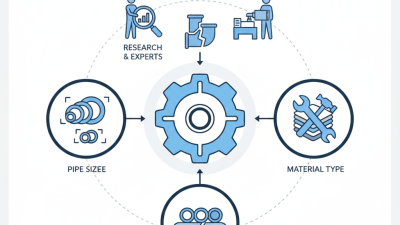
Key Specifications to Consider When Selecting a Pipe Swaging Machine
Evaluating the Importance of Material Compatibility in Swaging Processes
When choosing a pipe swaging machine, material compatibility is crucial. Different materials have unique properties that affect the swaging process. For instance, aluminum behaves differently from stainless steel under pressure. Understanding these differences can help avoid equipment damage and ensure a seamless production process.
Selection begins with evaluating the materials you use. Consider their hardness, tensile strength, and ductility. A machine that works well with soft materials may not perform effectively with harder ones. This can lead to issues like improper fitting or even machine failure. It's essential to estimate the workload and choose a machine that matches the material's requirements.
Incorporating the right material also affects the longevity of the machine. If you frequently switch materials, assess how this impacts the swaging process. You may encounter unexpected challenges, such as increased wear on the dies. Continuous evaluation allows for adjustments, ensuring the machine operates efficiently over time. Balancing performance with the material used is key in achieving the best results.
Cost Analysis: Budgeting for Quality in Pipe Swaging Machinery
When budgeting for a pipe swaging machine, it's essential to balance quality and cost. High-quality machines often require a more significant initial investment. However, they tend to offer better durability and performance in the long run. Cheaper options may save money upfront, but they can incur higher maintenance costs over time.
One key factor to consider is the materials you’ll be swaging. Different machines have varying capabilities. Assessing your specific needs is crucial. For instance, a machine designed for heavy-duty materials may be pricier but will save you headaches later. Evaluate your long-term production goals and choose accordingly.
Don't overlook hidden costs. Installation, training, and maintenance can add up quickly. Create a comprehensive budget that includes these elements. It's worth reflecting on whether a slightly higher upfront cost could lead to significant savings. Remember, investing wisely in machinery ensures efficiency and reliability, which are invaluable in the production process.
Maintenance Best Practices for Longevity of Pipe Swaging Equipment
Maintaining pipe swaging machines is crucial for their longevity and performance. Regular inspections play a key role in identifying wear and tear. It's essential to check for any signs of rust or damage on critical components. Operators should be trained to recognize unusual noises or vibrations, as these could indicate a problem. Remember, an early diagnosis can prevent costly repairs and downtime.
Cleaning the machine after each use helps protect it from debris buildup. Accumulated dirt can lead to malfunctions over time. Using appropriate cleaning supplies ensures that sensitive parts remain unharmed. Additionally, lubricating moving parts on a regular schedule is vital. This reduces friction and prolongs the life of the equipment. Operators should refer to the manufacturer’s guidelines for specific lubrication intervals and types.
Air and hydraulic systems need attention too. Regularly checking fluid levels and replacing filters will keep the machine running efficiently. Operators sometimes overlook the importance of these details. Neglecting them can lead to decreased performance and increased wear. Establishing a routine maintenance schedule can help enforce these practices. A well-maintained machine operates better, providing consistent results that meet production demands.