What is a Pipe Swaging Machine and How Does it Work?
The Pipe Swaging Machine is a vital tool in various industries. Its primary function is to reduce the diameter of metal pipes. This process enhances the pipe's structural integrity and improves its performance. Understanding how this machine works is essential for those involved in manufacturing and construction.
Many operators appreciate the efficiency and precision of a well-functioning Pipe Swaging Machine. The machine applies force to the pipe, reshaping it to desired specifications. Users often report better fitting and strength in the finished products. However, mastering this technology can require practice and expertise.
While the operational principles seem straightforward, challenges can arise. Inexperienced users might struggle with settings and adjustments. This can lead to inconsistent results. Therefore, gaining hands-on experience is crucial. Frequent training and a commitment to improvement are necessary for optimal outcomes. As industries evolve, so does the technology surrounding pipe swaging. Staying informed is key to maximizing performance and effectiveness.
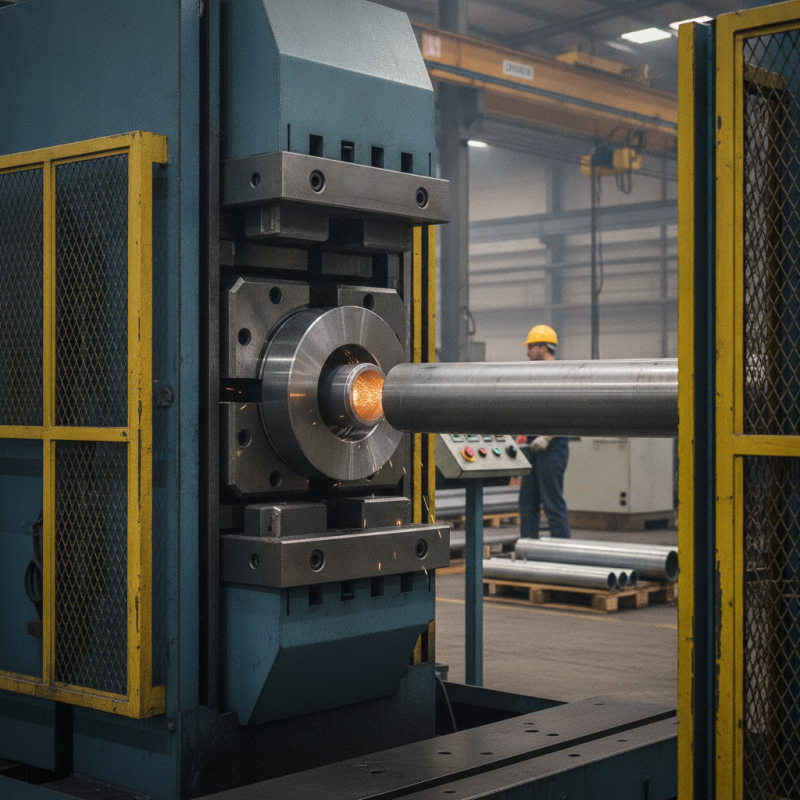
What is a Pipe Swaging Machine? Definition and Purpose Explained
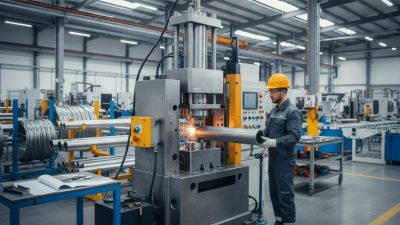
A pipe swaging machine is an essential tool used in various industries. Its primary purpose is to alter the diameter of pipes without cutting them. This machine can expand or reduce pipe sizes efficiently. Operators employ it for tasks like connecting pipes or creating specific angles. The swaging process involves applying high pressure to the pipe. This pressure helps reshape the material, allowing for precise fittings.
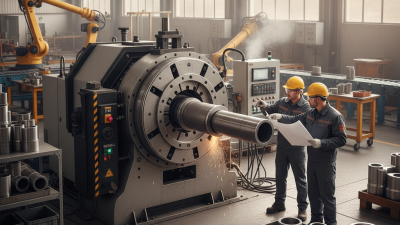
Understanding how a pipe swaging machine functions is crucial for efficient operations. The machine typically consists of a chamber where the pipe is placed. Once the desired settings are adjusted, the machine applies intense force. This force transforms the pipe while maintaining its structural integrity. Operators need to monitor the process closely. If the pressure is too high, it can cause defects. Too low, and the desired shape may not be achieved.
The versatility of a pipe swaging machine makes it a valuable asset. It can work with various materials, including steel, aluminum, and plastic. However, not all applications require swaging. Sometimes, traditional cutting methods are more appropriate. Operators must assess each project’s needs carefully. Skill and experience play a significant role in achieving the best results.
Key Components of a Pipe Swaging Machine: An In-Depth Overview
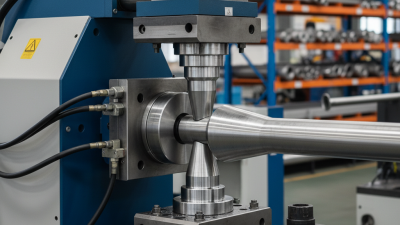
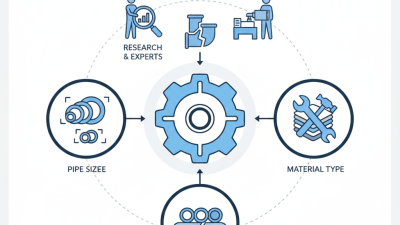
A pipe swaging machine is a specialized apparatus used for shaping and resizing metal pipes. It employs a mechanical process to decrease the diameter of a pipe's end. The key components of this machine include the swage tool, the hydraulic or mechanical mechanism, and the control system. Each part plays a vital role in ensuring efficiency and precision during the swaging process.
The swage tool, often made from high-grade steel, is essential for delivering the correct force to reshape the pipe. Reliable data shows that proper tool maintenance can extend its lifespan significantly. Regular inspections help prevent unexpected breakdowns that could lead to costly downtime. The hydraulic or mechanical system then applies pressure, driving the swaging tool into the pipe. It is crucial to calibrate this pressure accurately. Under- or over-pressurization can compromise pipe quality and structural integrity.
Monitoring systems integrated into modern machines add another layer of reliability. These systems track critical parameters in real-time. Advanced machines may include sensors to detect any inconsistencies. Yet, despite technology, human oversight remains essential to identify potential flaws in the process. Reports suggest that an increased focus on training operators correlates with higher production quality. Understanding how these components work together is essential for professionals in the field. This knowledge can mitigate risks and enhance performance in pipe fabrication.
Pipe Swaging Machine - Key Components Overview
The Swaging Process: Step-by-Step Guide to Pipe Formation
The swaging process for pipe formation is a specialized method used to change the diameter of pipes. It starts with a pipe held securely in a swaging machine. The machine uses a set of dies that gradually compress the pipe, creating a desired shape and size. The pressure applied ensures a seamless transformation, eliminating the need for welding.
During the swaging process, it's essential to monitor the metal's temperature. Excessive heat can weaken the material, leading to failures later. A cool-down phase might be needed between swaging cycles to maintain the integrity of the pipe. This step often requires trial and error to perfect. It's crucial to test various temperatures to find the optimal balance.
Tips: Always inspect the pipe before and after swaging. Look for any signs of distortion or damage. Setting up the machine correctly is vital. Misalignment can result in uneven swaging or failed projects. Documenting each step helps improve the process over time. Reflecting on what worked and what didn’t can lead to better outcomes in future projects.
What is a Pipe Swaging Machine and How Does it Work?
| Step |
Description |
Material Type |
Common Applications |
| 1 |
Initial Material Preparation |
Aluminum |
Aerospace Components |
| 2 |
Lubrication |
Steel |
Automobile Tubing |
| 3 |
Outer Diameter Adjustment |
Copper |
Electrical Wiring |
| 4 |
Swaging Process Application |
Brass |
Plumbing Fittings |
| 5 |
Final Inspection |
Titanium |
Medical Device Manufacturing |
Applications of Pipe Swaging Machines in Various Industries
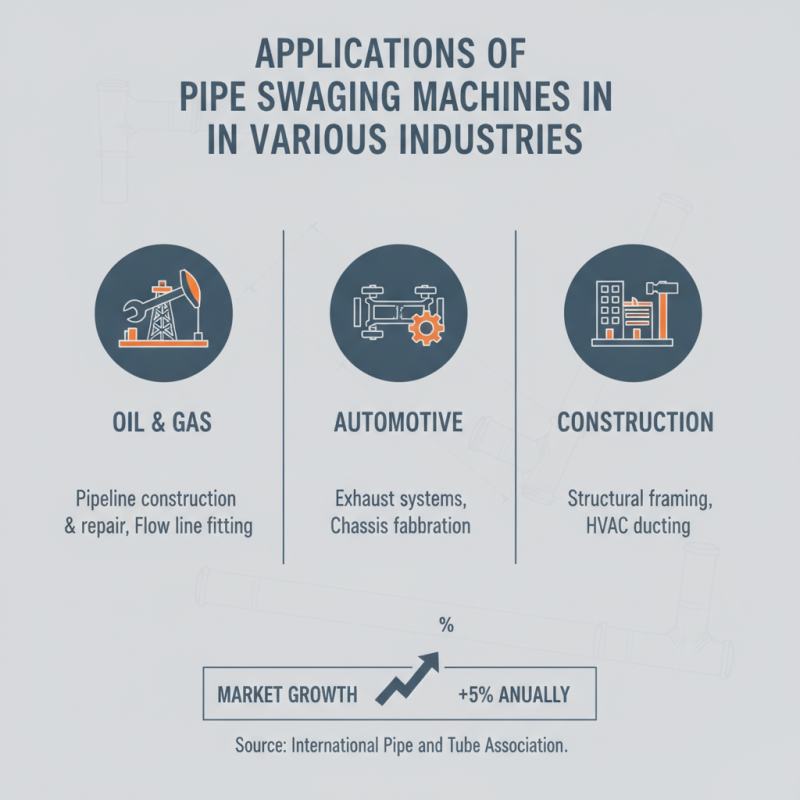
Pipe swaging machines are essential tools used in various industries for altering the dimensions of pipes. They help to reduce or enlarge pipe ends for better fitting during construction or repair work. This process is pivotal in sectors like oil and gas, automotive, and construction. According to the International Pipe and Tube Association, the market for swaging machines is expected to grow by 5% annually due to increased pipeline projects.
In the oil and gas industry, these machines allow for customized pipe connections. Swaged pipes can be inserted into different systems, enhancing safety and efficiency. Automotive manufacturers utilize swaging for exhaust systems, where precise fitment is crucial. In construction, swaged pipes are often used for framework applications, providing necessary strength while minimizing weight. These applications show the versatility and reliability of swaging machines across different fields.
Tips: Regular maintenance of swaging machines is crucial. Operators should regularly inspect for wear and tear, which can affect performance. Understanding the specifications for each job can prevent costly mistakes. Proper training ensures that workers can operate machines safely and effectively. Engaging in ongoing education about advances in swaging technology can significantly benefit businesses.
Industry Data: Efficiency and Cost-Effectiveness of Swaging Technology
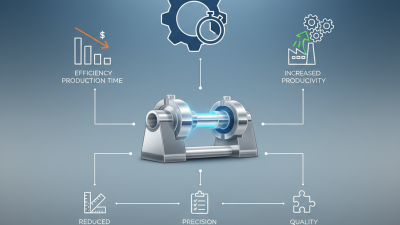
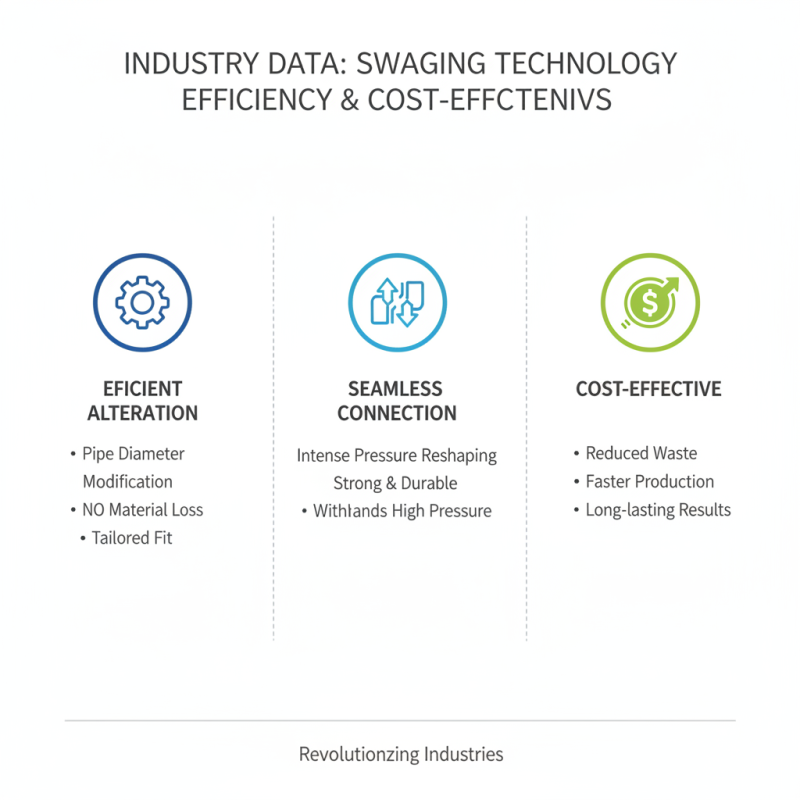
Swaging technology has revolutionized various industries. It allows for the efficient alteration of pipe diameters without losing material. This method provides a tailored fit for different applications. The process uses intense pressure, reshaping pipes into desired forms. The result is a strong, seamless connection that withstands high-pressure situations.
When evaluating the efficiency and cost-effectiveness of swaging, data reveals significant benefits. The minimization of waste material is a key advantage. Traditional cutting methods generate excess scrap, leading to higher costs. Swaging minimizes this waste and enhances productivity. Studies show that businesses can reduce operational costs by optimizing production with swaging machines. This efficiency can improve both the bottom line and overall sustainability.
However, there are challenges in implementing swaging technology. Not all materials can be swaged effectively. Certain alloys may not yield the desired results. Moreover, the upfront investment for swaging machines can be substantial. This may deter smaller operations from adopting the technology. Understanding these factors is crucial for any business considering swaging.