How to Choose the Best Pipe Swaging Machine for Your Needs?
Choosing the right Pipe Swaging Machine can be a daunting task. With the increasing demand for precision in industries such as plumbing and manufacturing, selecting a machine that fits your specific needs is crucial. According to industry reports, the global pipe swaging market is projected to grow at a CAGR of over 5% from 2022 to 2027. This growth emphasizes the importance of investing in reliable machinery.
A Pipe Swaging Machine is essential for creating tight joins in various piping systems. Whether you work with metal, plastic, or other materials, the right machine can enhance productivity and reduce material waste. However, not all machines are created equal. Some models may not handle certain materials well, while others may struggle with the volume required for larger projects.
It’s vital to consider factors such as machine capacity, ease of use, and maintenance requirements. Many users overlook these aspects and later face challenges in their operations. Reviews and user feedback can provide valuable insights but may not cover every scenario. Hence, evaluating both expert advice and personal needs is essential for making an informed decision.
Understanding Pipe Swaging Machines: Types and Functionality
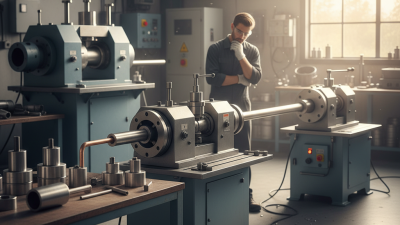
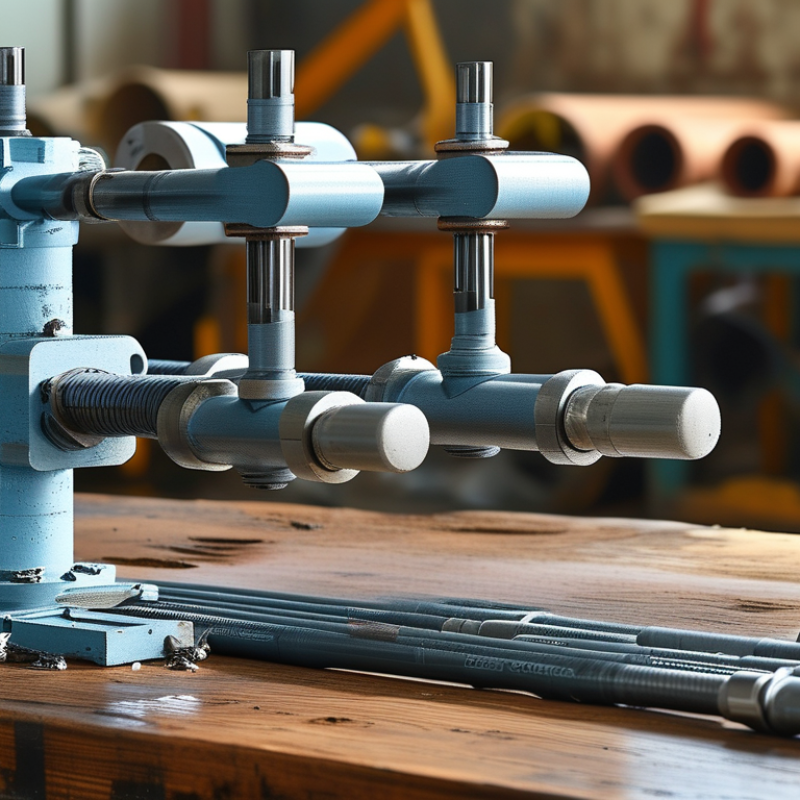
Understanding pipe swaging machines is critical for any industry that relies on the modification of pipes. These machines are designed to deform pipes without cutting them, allowing for efficient connection and fitting. Common types include manual, hydraulic, and pneumatic swaging machines. Each type has distinct functionalities suited for various applications. For instance, hydraulic machines are known for their strength and efficiency in heavy-duty projects. A report by the International Institute of Welding suggests that the use of high-quality swaging machines can improve production efficiency by up to 30%.
When selecting the right machine, consider your specific needs. Think about the types of materials you work with and the desired outcomes. Manual swaging machines can be ideal for small-scale projects, while hydraulic options shine in large-scale production. Regular maintenance plays a significant role in the longevity of these machines, influencing performance and safety.
**Tips**: Always check for the machine’s compatibility with different pipe sizes. This can vary significantly across models. Additionally, unnecessary features might complicate your operations. Focus on essential functions that suit your tasks. Remember, investing in training for your team can lead to better results and reduce operational errors.
How to Choose the Best Pipe Swaging Machine for Your Needs?
| Type of Machine |
Functionality |
Material Compatibility |
Swaging Capacity (inches) |
Power Source |
Price Range ($) |
| Manual Swaging Machine |
Hand-operated, good for small projects |
Copper, Aluminum |
1/4 - 2 |
N/A |
200 - 500 |
| Hydraulic Swaging Machine |
High pressure for larger projects |
Steel, Copper |
1/2 - 4 |
Hydraulic |
1,500 - 3,500 |
| Pneumatic Swaging Machine |
Uses air pressure for efficiency |
Aluminum, PVC |
1/4 - 3 |
Pneumatic |
800 - 2,000 |
| Electric Swaging Machine |
Automated operation for high output |
Steel, Brass |
1 - 6 |
Electric |
2,000 - 5,000 |
Key Specifications to Consider When Selecting a Pipe Swaging Machine
When choosing a pipe swaging machine, key specifications can significantly impact your decision. Consider the machine's capacity, which refers to the size and type of pipes it can handle. Ensure it aligns with your project requirements. The working pressure is another critical factor. Higher pressure usually leads to more efficient swaging but requires more robust machinery. Always check the maximum pressure rating before purchasing.
Material compatibility is essential. Different machines accommodate various pipe materials. When selecting, ensure that the machine will work with the specific alloys and thicknesses you intend to use. This reduces the risk of unexpected failures. Design features also matter. Look for machines with adjustable settings for enhanced versatility. Digital controls often provide precise adjustments. This can make a noticeable difference in production quality.
Tips: Always review user feedback on durability. Direct insights can highlight potential issues. Do not overlook the machine’s maintenance needs. Regular upkeep is vital for longevity. Lastly, consider the availability of replacement parts. Access to parts can save both time and costs in the long run.
Assessing the Material Compatibility for Optimal Swaging Performance
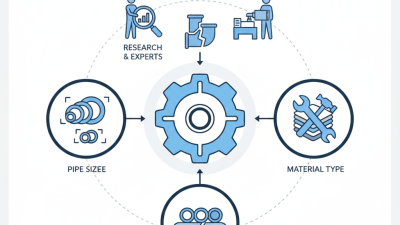
Choosing the right pipe swaging machine involves understanding material compatibility. Different metals and alloys behave differently under shaping and pressure. For example,
aluminum swages easily, while stainless steel requires more force. Knowledge of these differences is critical for efficiency.
Industry reports indicate that 70% of production issues stem from inadequate material selection. Many operators underestimate this factor. A study showed that using incompatible materials can lead to
40% higher failures in the field. These failures can halt operations and incur significant costs.
Compatibility isn't just about strength; it involves flexibility, ductility, and durability. Each project might require specific properties from the material. For instance,
corrosion resistance is key for outdoor applications. Balancing these factors might seem daunting, but thorough testing is essential.
Engaging with materials experts could provide insights into optimizing performance.
Reflection on past projects can highlight where choices went wrong. Investing in the right machine for the job pays off over time.
Evaluating Production Capacity and Efficiency Metrics in Swaging Machines
When selecting a pipe swaging machine, understanding production capacity and efficiency metrics is crucial. This equipment’s performance is often measured in terms of throughput, which indicates how quickly the machine can process material. A higher throughput is typically more desirable for manufacturers needing to meet large orders. However, it's essential to consider the type of materials being swaged. Different materials require different settings, affecting overall efficiency.
Efficiency metrics also include energy consumption and maintenance needs. A machine that consumes less energy can significantly reduce operational costs. However, frequent breakdowns or complex maintenance can negate these savings. Therefore, researching the reliability of various models and seeking user feedback becomes imperative. Some machines may offer impressive stats, but real-world use can reveal unforeseen challenges.
Additionally, consider the scale of your operations. A machine ideal for small batches may not perform well in high-volume settings. Conversely, a high-capacity model can be overkill for smaller projects. Understanding your specific production needs can prevent poor investment choices. Evaluating these metrics helps ensure you select a swaging machine that aligns with your production goals and operational efficiency.
Cost Analysis: Budgeting for Quality and Maintenance of Swaging Equipment
When budgeting for a pipe swaging machine, it's crucial to weigh both the upfront costs and ongoing maintenance expenses. A high-quality machine might have a higher initial price. However, it can save costs over time due to increased efficiency and lower failure rates. We must consider how the durability of materials can influence the long-term financial impact.
Routine maintenance is another key factor. Regular checks and servicing can prevent costly repairs. Many operators neglect this aspect, leading to unexpected breakdowns. This can disrupt production schedules and increase downtime. It's valuable to maintain a budget for scheduled maintenance, which can enhance the machine's lifespan.
Estimating the total cost of ownership is essential. This includes training for operators and the potential need for spare parts. Not everyone anticipates these expenses. Gathering data on maintenance history can help in understanding your unique needs better. Reflecting on past expenditures can guide future investments effectively.
Cost Analysis of Pipe Swaging Machines
This chart displays the estimated costs associated with different types of pipe swaging machines, focusing on initial purchase price, maintenance costs, and overall budget considerations for quality equipment.