- Home
- About TKL
- Factory Tour
- Products
- Blog
- Contact Us

CONTACT
Leave Your Message
CONTACT
Choosing the best wellhead equipment suppliers in China starts with a clear view of the application. Well Head Equipment must match the well’s pressure rating, temperature range, connection type, and operating conditions. A supplier’s product range may include casing heads, tubing heads, adapters, and Christmas trees, but catalog breadth alone says little about suitability. Details matter.
Compare manufacturers on documented quality controls, material traceability, inspection methods, and pressure-test records. Ask for drawings, datasheets, and evidence that the proposed equipment meets the project’s stated specifications. Where API 6A requirements apply, verify the relevant edition, product scope, and certification directly rather than relying on a logo or sales claim. Request examples of comparable deliveries, while protecting confidential customer information. Small details count.
A dependable supplier should answer technical questions clearly and explain lead times, spare-parts support, and warranty terms before an order is placed. It is also useful to discuss inspection hold points and document packages early, not after production begins. A polished catalog is not proof of consistent manufacturing. I would be cautious about ranking companies from advertising alone; supplier performance can vary by product line and project. Even strong factories can have gaps. This guide therefore focuses on practical ways to assess Chinese suppliers, compare evidence, and identify a suitable partner for a specific wellhead project.
What Wellhead Equipment Includes and Where It Is Used
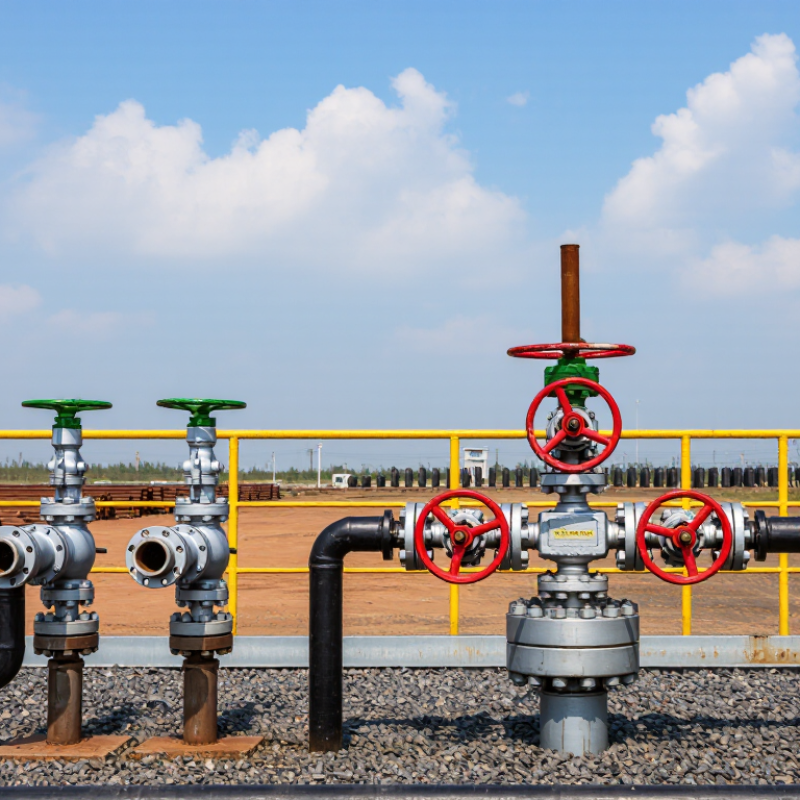
Wellhead equipment forms the pressure-containing interface between a well and surface operations. A typical assembly includes casing heads and spools, casing and tubing hangers, seals, valves, and connections for the production tree. The wellhead supports casing strings and seals the spaces between them. The tree, mounted above it, controls flow through valves and related fittings. Small details matter. Pressure rating, temperature range, materials, and connection dimensions must match the well’s design and operating conditions.
Onshore wells commonly use wellheads for drilling, completion, production, and injection. Offshore installations use similar components, but limited space, saltwater exposure, and access constraints make corrosion protection and maintenance planning especially important. The U.S. Energy Information Administration reported average U.S. crude oil production of 12.9 million barrels per day in 2023, a record at the time. That figure does not measure equipment demand directly, but it shows the scale of operations relying on reliable well interfaces. Specifications can look complete on paper; field conditions still expose gaps, particularly around sealing materials and pressure monitoring.
| Equipment | What It Does | Typical Installation Point | Where and When It Is Used | Selection Considerations |
|---|---|---|---|---|
| Casing Head | Supports the casing string and provides a connection point for subsequent wellhead components. Its outlets may also provide access to the casing annulus. | At the top of a casing string, commonly at or near the well’s surface wellhead assembly. | Used during drilling and completion on land and offshore wells as casing strings are installed. | Casing size and connection, load requirements, pressure containment, and compatibility with the next wellhead component. |
| Casing Spool | Supports and seals a casing string, while providing a housing for a casing hanger and access to the annulus where the design allows. | Between casing heads or other wellhead components in a stacked wellhead assembly. | Used as additional casing strings are run and suspended during drilling and well construction. | Casing-hanger type, bore and connection dimensions, working pressure, and the intended annulus access arrangement. |
| Casing Hanger | Suspends a casing string within the wellhead and, depending on its design, helps seal the annular space. | Inside a casing head or casing spool. | Used during casing installation in wells with multiple casing strings, onshore and offshore. | Casing dimensions and weight, suspension loads, sealing method, and the applicable wellhead design. |
| Tubing Head | Houses and supports the tubing hanger, seals the tubing-to-casing annulus, and provides a connection between the wellhead and production tree. | Above the casing-head and casing-spool assembly, below the production tree. | Installed during completion and used on producing wells and some injection wells. | Tubing-hanger design, tubing size, pressure and temperature conditions, and compatibility with the tree connection. |
| Tubing Hanger | Suspends the production tubing and provides a seal between the tubing and the wellhead bore. Some designs include passages for control lines or other functions. | Inside the tubing head. | Set during well completion before the production tree is installed or made up. | Tubing size, suspension load, seal arrangement, control-line requirements, and completion design. |
| Adapter Flange or Spool | Connects wellhead components with different connection arrangements or provides the required height and interface for the tree. | Between the tubing head and the production tree, or between compatible wellhead components. | Used during completion, workover, or equipment replacement when the connection configuration requires an adapter. | Both connection types, bore alignment, pressure rating, sealing arrangement, and available clearance. |
| Production Tree (Christmas Tree) | A valve-and-fitting assembly used to control, direct, and provide access to production or injection flow at the wellhead. | Mounted above the tubing head or its adapter. | Used on completed producing and injection wells on land, fixed offshore platforms, and subsea installations. | Service conditions, flow arrangement, pressure and temperature, fluid characteristics, and intervention requirements. |
| Tree Valves and Chokes | Valves isolate or control flow; a choke restricts flow to help manage production or injection rates and downstream conditions. | Installed as part of the production tree, including on the vertical and wing flow paths. | Used during routine production, injection, shut-in, testing, and selected well-intervention operations. | Flow direction, operating conditions, erosion and corrosion exposure, actuation needs, and maintenance access. |
| Annulus Outlet and Valve | Provides controlled access to a casing or tubing annulus for monitoring, testing, or other operations permitted by the well program. | On the side outlet of a casing head, casing spool, or tubing-head assembly, depending on the design. | Used during drilling, completion, and production to access designated annular spaces. | Which annulus is accessed, expected service conditions, valve arrangement, and safe operating procedure. |
| Wellhead Seals and Gaskets | Seal interfaces between wellhead components and help contain pressure when correctly selected, installed, and maintained. | At component connections and designated sealing locations within the wellhead assembly. | Required during assembly, pressure testing, maintenance, and replacement of wellhead equipment. | Connection geometry, pressure and temperature, fluid compatibility, material requirements, and installation procedures. |
Equipment configuration varies by well design, operating conditions, and whether the installation is onshore, platform-based offshore, or subsea. Confirm dimensions, pressure ratings, materials, and applicable standards against the project specification.