How to Choose the Best Well Head Equipment for Your Needs?
Choosing the right Well Head Equipment is crucial for any drilling operation. This equipment serves as the vital interface between the wellbore and surface facilities. Selecting improperly can lead to operational inefficiencies, safety hazards, and costly downtime. Experts emphasize the importance of understanding your specific requirements before making a decision.
With numerous options available, it might seem overwhelming. Factors like well type, pressure, and environmental conditions play significant roles. It's not just about the equipment's specifications; one must also consider the manufacturer’s reputation. Reliable Well Head Equipment from trusted sources often ensures better performance and longevity.
It's important to evaluate your needs carefully. Reflect on the long-term implications of your choice. Engaging with professionals can provide invaluable insights. However, be cautious, as not all advice is equal. Aim to connect with experts who have proven experience in the field. This approach will help ensure that your investment in Well Head Equipment truly meets your operational demands.
Understanding the Basics of Well Head Equipment and Its Importance
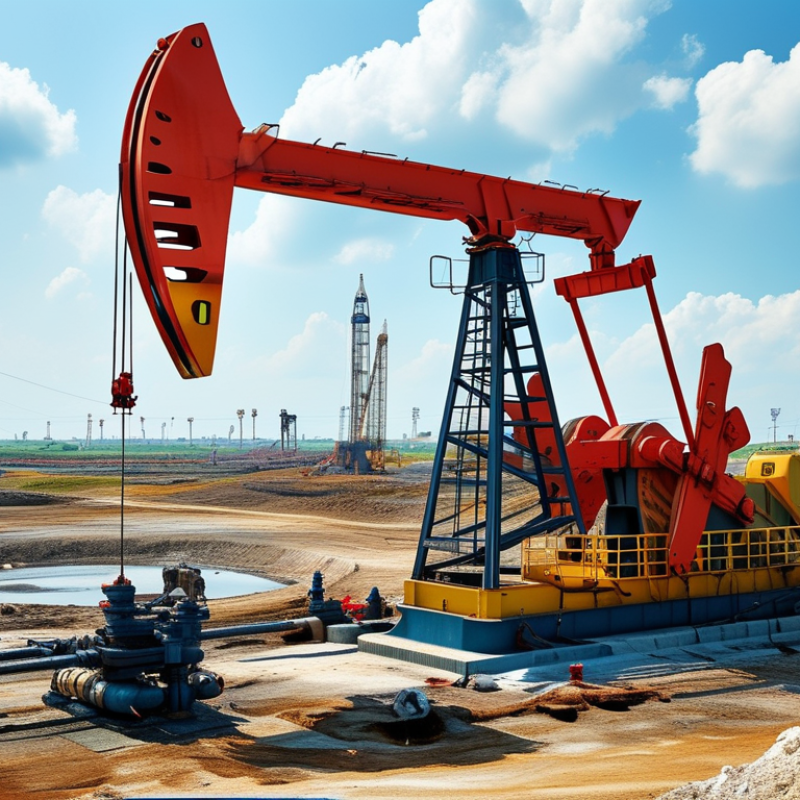
Understanding well head equipment is essential for any drilling operation. This equipment serves as the control point for oil and gas extraction. It connects the underground formation to surface facilities, providing crucial safety and efficiency. Proper selection of well head components can streamline operations and reduce costs.
The importance of well head equipment cannot be overstated. It includes blowout preventers, valves, and casing hangers, each playing a unique role. A worn valve can cause spills. A malfunctioning blowout preventer can lead to catastrophic failures. Attention to detail is vital. Think about your drilling environment. Factors like pressure, temperature, and the type of fluid extracted must influence your choices.
Choosing the right equipment may feel overwhelming. Consulting with experts can help clarify options. The industry is evolving. New technologies emerge regularly. Stay informed about advancements, but remember to reflect on your specific needs. A one-size-fits-all approach rarely works. Assess your operational requirements to ensure you select equipment that provides reliability and performance.
Key Factors to Consider When Selecting Well Head Equipment
Selecting the right well head equipment is crucial for your operational needs. Consider the well type. Each well has specific requirements based on its depth and pressure. For instance, a deep vertical well may need robust materials. An offshore well could require corrosion-resistant features. Understanding these variables helps in making a sound decision.
Next, evaluate the environmental conditions. Equipment exposed to harsh weather needs extra protection. Think about the installation location as well. Accessibility can impact repair or maintenance efforts. The complexity of the setup might influence your choice too. Sometimes, additional tools or supports are necessary for proper installation.
Another factor is regulatory compliance. Ensure the equipment meets industry standards. This isn't just about performance; it's also about safety. Review your options regularly. Equipment technology evolves, and what worked before might not be the best choice now. Stay informed to maintain efficiency and reliability in your operations.
Comparing Different Types of Well Head Equipment Available
Choosing the right wellhead equipment is crucial for efficient operations. There are several types of wellhead systems, each serving different purposes and needs. The most commonly used types include conventional wellheads, and Xmas tree systems. Conventional wellheads offer basic functionality, suitable for many applications. In contrast, Xmas tree systems provide more control and enhanced functionality, ideal for complex wells.
Recent industry reports indicate that nearly 75% of operators prefer robust wellhead systems due to their reliability and maintenance features. For example, a study by the International Association of Drilling Contractors found that advanced wellhead systems minimize downtime and enhance safety. However, many operators overlook the need for tailored solutions. A one-size-fits-all approach can lead to inefficiencies. Selecting equipment based on specific well conditions and production targets is imperative.
Additionally, the materials used in manufacturing wellhead equipment can significantly impact performance. Steel alloys are prevalent, offering durability and resilience. However, they may not suit all environments. Environmental factors and well types should guide material choices. While some operators prioritize cost savings, long-term reliability should be weighed more heavily. The implications of choosing subpar equipment can be significant.
Evaluating the Quality and Durability of Well Head Equipment
When evaluating well head equipment, quality is paramount. High-quality materials ensure that the equipment can withstand harsh conditions. Look for materials like carbon steel or stainless steel. These provide strength and corrosion resistance. An examination of the welds and seals is essential too; weak points can lead to failures.
Durability often correlates with the manufacturing process. Equipment produced with strict quality control measures tends to last longer. Pay attention to certifications. They indicate compliance with industry standards. Additionally, consider the local climate where the equipment will be used. Extreme temperatures and moisture can affect performance.
Reflecting on user experiences can also guide your decision. Online reviews often highlight issues such as leaks or frequent maintenance needs. It's valuable to gather feedback from existing users. Remember, no equipment is perfect. Regular maintenance is essential for optimal performance. Make sure you are prepared for that commitment.
Budgeting and Cost Considerations for Well Head Equipment Choices
When selecting well head equipment, budgeting plays a crucial role. Industry reports indicate that the overall cost of well head equipment can range from $10,000 to over $100,000, depending on specifications. Understanding the budget helps prioritize needs effectively. Specific factors include material durability, pressure ratings, and safety features. Each component can significantly affect total expenses.
Tips: Always include maintenance costs in your budget. Frequently overlooked, these expenses can add up. Seeking cost-effective solutions might mean sacrificing some features, yet, it can lead to long-term savings.
Additionally, conducting a return on investment (ROI) analysis can illuminate future financial impacts. For instance, equipment with advanced safety features may have a higher initial cost but ultimately reduce liabilities. A study by XYZ Research shows that investing in quality equipment can lead to a 15% lower maintenance cost over five years.
Tips: Evaluate different suppliers for competitive pricing. Always ensure that any chosen equipment meets industry standards for reliability. Budget flexibility can help accommodate unforeseen expenses.