7 Best Roller Reamers for Global Buyers?
Roller Reamers help maintain hole gauge, reduce ledges, and support smoother passage of the drill string. For global buyers, choosing a tool is not just a matter of comparing price or cutter count. Formation hardness, hole size, operating parameters, connection type, and service support all affect performance. A reamer that works well in a stable, abrasive interval may be a poor fit for a reactive shale section. Small details matter: cutter placement, bearing design, and the quality of the hardfacing can change how the tool behaves downhole.
The International Energy Agency’s Oil 2024 report projects global oil demand to reach about 106 million barrels per day by 2030, an increase of 3.2 million barrels per day from 2023. This is broad energy-market context, not a forecast for roller reamer sales. It does, however, underline why buyers need clear specifications and dependable field support across diverse drilling environments. No reliable public report establishes a universal ranking of the “best” Roller Reamers; performance depends on the application and evidence from comparable wells.
This guide compares seven options using practical buying criteria, including construction, compatibility, maintenance needs, and supplier capability. Look closely. A polished datasheet cannot replace field records, inspection history, or candid answers about limitations. A verified expert quotation was not available in the supplied material, so none is attributed here; adding one without a traceable source would risk misleading buyers.
What Roller Reamers Do in Drilling Operations
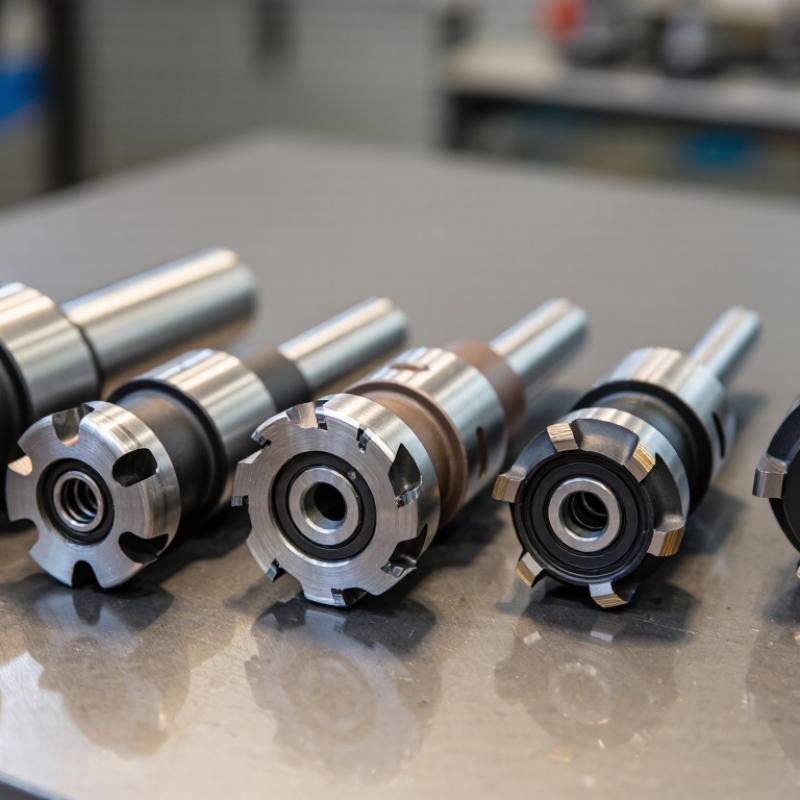
Roller reamers help maintain the planned diameter of a borehole as drilling advances. Their rollers contact the wellbore wall, helping condition the hole and reduce uneven sections. This can support smoother passage for the drillstring and later completion equipment. A steadier bore may also help limit vibration, though results depend on formation, assembly design, and operating conditions.
They are not a cure-all. A reamer cannot correct every trajectory problem or replace careful bit and bottom-hole assembly selection. In abrasive rock, roller wear can change performance; in softer formations, wall contact may behave differently than expected. Check the required hole size, connection details, roller configuration, and material compatibility before choosing one. Small details matter. For example, a reamer that fits the assembly but does not suit the formation may add drag instead of improving the run. Field measurements and inspection records are useful, but they do not remove uncertainty.
The honest question is whether the tool matches the actual hole conditions, not just the product specification.
How to Assess Roller Reamers for Global Applications
7 Best Roller Reamers for Global Buyers?
How to Assess Roller Reamers for Global Applications
Assess a roller reamer against the formation, hole size, and operating conditions—not its appearance alone. Soft, sticky formations may pack around cutters, while abrasive rock can accelerate wear. Formation changes everything. Check the cutter arrangement and gauge protection, then compare them with expected footage and rotation speeds. A tool that performs well in one interval may struggle in another.
Construction details matter in the field. Review the body material, connection dimensions, bearing design, and sealing method. Ask how cutters are inspected and replaced, and whether maintenance instructions are clear for the crew using them. Look closely at the drawings. A neat specification sheet can still miss practical details, such as access to worn components or compatibility with existing drill-string connections.
For global applications, evaluate documentation, delivery planning, and technical support across the regions where the tool will operate. Confirm that operating limits and inspection guidance are stated plainly. If possible, compare field reports from similar formations and rig conditions. I would not treat one successful run as proof; results can shift with mud properties, vibration, and drilling practice. Keep those variables in the assessment, even when the comparison gets less tidy.
Seven Roller Reamer Options and Their Best-Fit Uses
Choosing among seven roller reamer configurations starts with the hole section, formation, and expected dogleg severity. A short-body near-bit reamer suits tight directional assemblies where gauge support is needed close to the bit. A longer string reamer fits steadier intervals and can help limit borehole enlargement. Three-point roller layouts offer broad, practical contact; six-point layouts provide more frequent wall support in unstable formations. More contact is not automatically better. It can increase torque and complicate cuttings movement.
For abrasive rock, tungsten-carbide insert rollers resist wear, while replaceable roller assemblies can simplify field maintenance. Sealed-bearing designs suit demanding mud and debris conditions; open-bearing designs may be easier to inspect, but need careful solids management. Match roller diameter to the bit and planned hole gauge, then confirm bearing capacity, connection, and fishing profile with the drilling team. EIA’s 2024 data reported U.S. crude production averaging 12.9 million barrels per day in 2023. That figure signals sustained drilling activity, not reamer performance; tool choice still depends on well-specific records. Compare offset-well torque, vibration, and wear, and treat catalogue ratings as starting points. A short pilot run can reveal problems that a specification sheet misses.
7 Best Roller Reamers for Global Buyers? Seven Options and Their Best-Fit Uses
Ratings are a qualitative selection guide, not measured performance data or a universal ranking. Roller cutter designs and reamer placement can overlap; confirm formation conditions, hole size, and tool specifications before selecting a configuration.
Comparing Performance, Compatibility, and Operating Costs
A roller reamer earns its place by keeping the hole gauge and reducing drag, not by looking robust on a product sheet. Compare cutter layout, bearing protection, body diameter, and connection size against the bit, drill collars, and expected formation. A tool that matches a hard, abrasive interval may be excessive in softer rock. Compatibility matters. Check circulation requirements and whether the assembly can pass through planned restrictions before purchase.
Operating cost includes more than the purchase price. Track reamer runs, hours in hole, wear, replacement parts, and any extra trips. The U.S. Energy Information Administration’s 2016 report, Trends in U.S. Oil and Natural Gas Upstream Costs, showed average well costs varying by millions of dollars across major shale plays. That is not a reamer-cost benchmark; it shows how strongly location and well design shape budgets. Field records are more useful than a single quoted savings claim. And they can be incomplete.
Tips: Compare suppliers using the same formation, hole size, and run length. Ask for inspection criteria and documented field results. A lower-cost tool may still be the wrong fit. Record cutter wear after each run; small details can expose a poor match before the next order.