Top 10 Oilfield Downhole Tools You Need to Know?
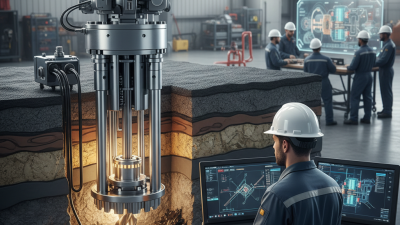
In the oil and gas industry, understanding Oilfield Downhole Tools is crucial. These tools perform essential functions during drilling and production activities. Each type of downhole tool serves a specific purpose. Knowing when and how to use them can significantly impact operational efficiency.
The landscape of downhole technology is constantly evolving. New tools emerge, promising better performance and reliability. However, this rapid development can also lead to confusion. Operators may struggle to keep up with the latest advancements. It's vital to recognize reliable sources of information and stay updated.
Choosing the right Oilfield Downhole Tools can be challenging. Each project has unique requirements. Mistakes can lead to delays and increased costs. Therefore, understanding the tools in depth is necessary for success. This guide will delve into ten essential downhole tools that every professional should know. The aim is to provide insights and aid in decision-making.
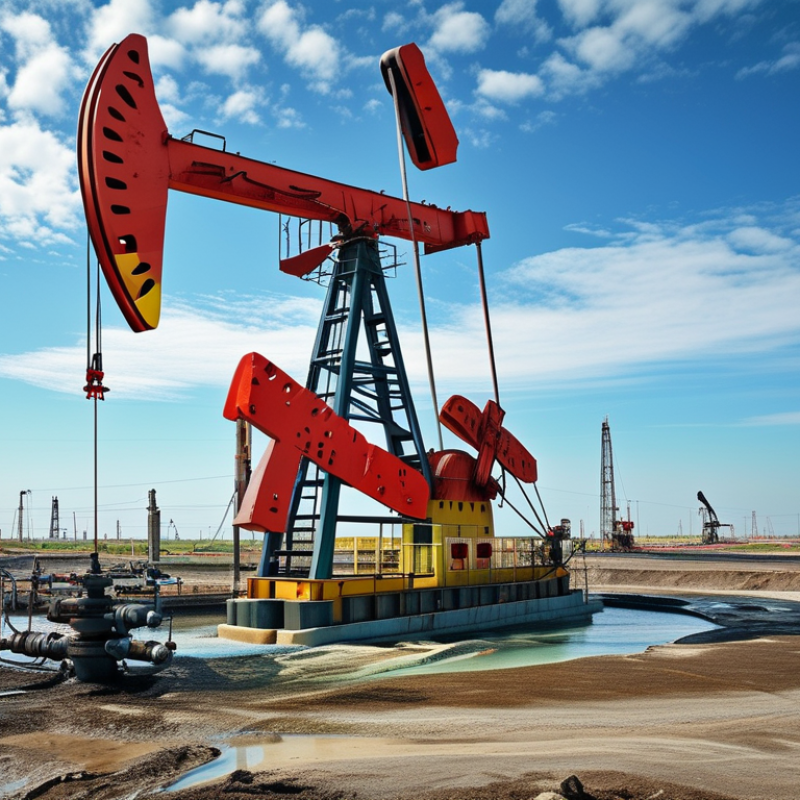
Overview of Downhole Tools in Oilfield Operations
In oilfield operations, downhole tools play a critical role in maximizing efficiency and productivity. These tools are designed for tasks such as drilling, well completion, and maintenance. Each type has its unique function, and understanding them is essential for success. This knowledge helps engineers and operators make informed decisions during various stages of oil extraction.
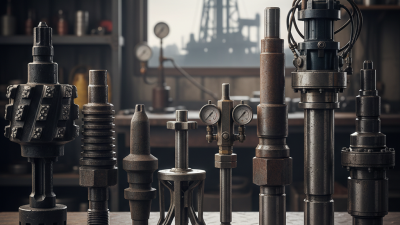
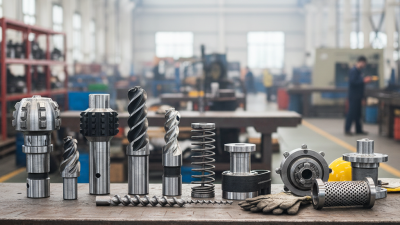
For instance, drilling tools include drill bits, which are the cutting mechanisms that penetrate the earth. They come in multiple designs, tailored for soft or hard rock formations. Completion tools, on the other hand, ensure the well is sealed properly for production. While advances in technology improve tool performance, issues can still arise. Operators sometimes face challenges with tool failure or unexpected geological formations, which can lead to costly delays.
Regular training and ongoing evaluation of operations are necessary. Empowering staff with the right knowledge will enhance their ability to troubleshoot effectively. Adapting to continuous changes in the oilfield landscape is crucial. Understanding the limitations of each tool can foster innovations and improvements in overall strategies. The field of oil extraction is not without its complexities, and recognizing these intricacies is vital for achieving operational excellence.
Top 10 Oilfield Downhole Tools
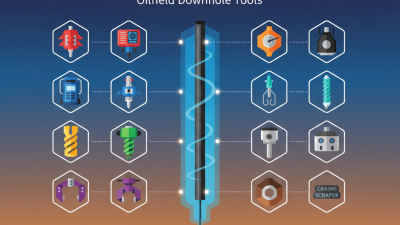
This chart displays the top 10 essential downhole tools used in oilfield operations, showcasing their relevance based on functionality and application in the field.
Key Functions and Applications of Downhole Tools
Downhole tools play a vital role in oilfield operations. They help enhance efficiency and ensure safety during drilling and production. Each tool serves a unique purpose, and understanding these functions is essential for any operations team. From evaluating rock formations to enhancing well productivity, downhole tools are indispensable.
For instance, drilling bits, a common downhole tool, create pathways for extracting oil. They are designed for specific geological conditions. Different formations require different bits. This customization is crucial for success. Measuring tools, on the other hand, assess conditions such as temperature and pressure. Accurate readings can save time and resources.
However, not all tools are perfect. Some may fail due to wear or improper use. Regular inspections and maintenance are important for reliability. Operators must continuously train to understand evolving technologies and techniques. This ongoing education can avoid costly mishaps and improve overall performance. Balancing innovation with practical experience is key to effective operations in any oilfield.
Types of Downhole Tools: A Classification Guide
Downhole tools play a crucial role in oilfield operations. They are essential for tasks such as drilling, measurement, and maintenance. Understanding their types helps in selecting the right tool for specific conditions. This classification guide highlights common categories: drilling tools, measurement tools, and completion tools.
Drilling tools are vital for creating boreholes. They include drill bits and stabilizers. These tools face immense pressure and must be durable. Measurement tools, like gamma and resistivity tools, provide data about geological formations. Their accuracy influences decisions. Completion tools assist in finishing a well, ensuring it operates efficiently. Understanding these types helps optimize performance and manage costs.
However, selection can be complex. Each tool has unique specifications that affect its application. Poor choices can lead to operational failures and increased costs. Evaluating the right downhole tools requires experience and knowledge. It is essential to reflect on past projects and learn from both successes and mistakes.
Innovations in Downhole Tool Technology
The landscape of oilfield downhole tools is rapidly evolving, driven by innovation and technology. Current trends show that advanced materials and design methodologies are significantly enhancing the performance of these tools. For instance, a recent report indicated that tools made from new composites last 30% longer than traditional steel variants. This leads to fewer failures and reduced drilling time, ultimately saving costs for operators.
Moreover, automation plays a critical role in modern tool development. Smart downhole tools equipped with sensors gather real-time data. This capability allows operators to make informed decisions on drilling conditions. According to industry analysts, integrating IoT technologies in downhole operations could improve efficiency by up to 25%. However, adopting this technology also brings challenges, including the need for skilled personnel to interpret data effectively.
Despite these advancements, there is still room for improvement. Not all new technologies deliver on their promises, and some may face integration issues with existing systems. Thus, continuous feedback and adaptation are essential for successful deployment in the field. Conducting thorough evaluations and pilot programs can help mitigate these risks.
Best Practices for Selecting and Using Downhole Tools
Selecting the right downhole tools is crucial for successful oilfield operations. Industry reports indicate that improper tool selection can lead to 30% increased costs and drilling delays. Understanding the specific requirements of a project is the first step. You need to consider the well's depth, pressure, and fluid type.
Expert evaluations show that an integrative approach to choosing tools works best. Focus on performance data and operational environments. Look for tools that demonstrate reliability under specific conditions. For instance, environmental challenges can impact tool efficiency. Meeting these challenges often requires adapting strategies based on previous data.
Maintenance and regular evaluations of tools are equally important. Many field reports highlight that 25% of downtime is due to faulty equipment. Training teams on tool usage can mitigate risks. Continuous education and sharing best practices foster a proactive approach to tool management. It’s essential to learn from past mistakes to improve outcomes. Instead of relying solely on past successes, assessing failures can yield valuable insights.
Top 10 Oilfield Downhole Tools You Need to Know
| Tool Name |
Purpose |
Material |
Depth Rating (ft) |
Weight (lbs) |
Common Applications |
| Drill Bit |
Cutting through rock |
Carbide |
20,000 |
30 |
Oil and gas drilling |
| Wireline Tool |
Well logging |
Steel |
15,000 |
40 |
Data collection |
| Packer |
Isolate sections of the well |
Elastomer |
25,000 |
50 |
Production control |
| Circulation Swivel |
Drilling fluid circulation |
Aluminum |
18,000 |
25 |
Rotary drilling |
| Bailer |
Remove debris |
Steel |
12,000 |
35 |
Well cleanout |
| Collet Gripper |
Secure tools |
Alloy Steel |
15,000 |
20 |
Tool handling |
| Stinger |
Inject fluids |
Nylon |
10,000 |
15 |
Acid squeezing |
| Casing Shoe |
Guide casing |
Steel |
20,000 |
45 |
Casing installation |
| Nitrogen Unit |
Pressure maintenance |
Metal |
30,000 |
100 |
Enhanced oil recovery |