Top 10 Oilfield Downhole Tools You Need to Know?
In the complex world of oil extraction, understanding Oilfield Downhole Tools is vital. According to the U.S. Energy Information Administration, global oil consumption reached 101.3 million barrels per day in 2022. This growing demand heightens the importance of effective extraction tools in optimizing production. Oilfield Downhole Tools are designed to operate below the surface, playing crucial roles in drilling operations.
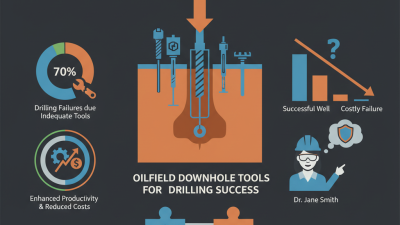
Various tools, including drill bits, casing and cementing equipment, ensure efficient drilling and safety. A report by the International Association of Oil & Gas Producers indicates that nearly 10% of drilling time is wasted due to equipment failure. This statistic highlights the need for reliable downhole tools. However, not all tools guarantee success, and their selection requires careful consideration based on specific well conditions.
In a recent survey, a significant percentage of industry professionals noted the challenges of choosing the right tools. Misalignment between tools and project needs can lead to costly delays. This emphasizes the importance of knowledge in selecting the appropriate Oilfield Downhole Tools, underscoring the need for industry professionals to stay informed about the latest advancements and best practices.
Overview of Downhole Tools in Oilfield Operations
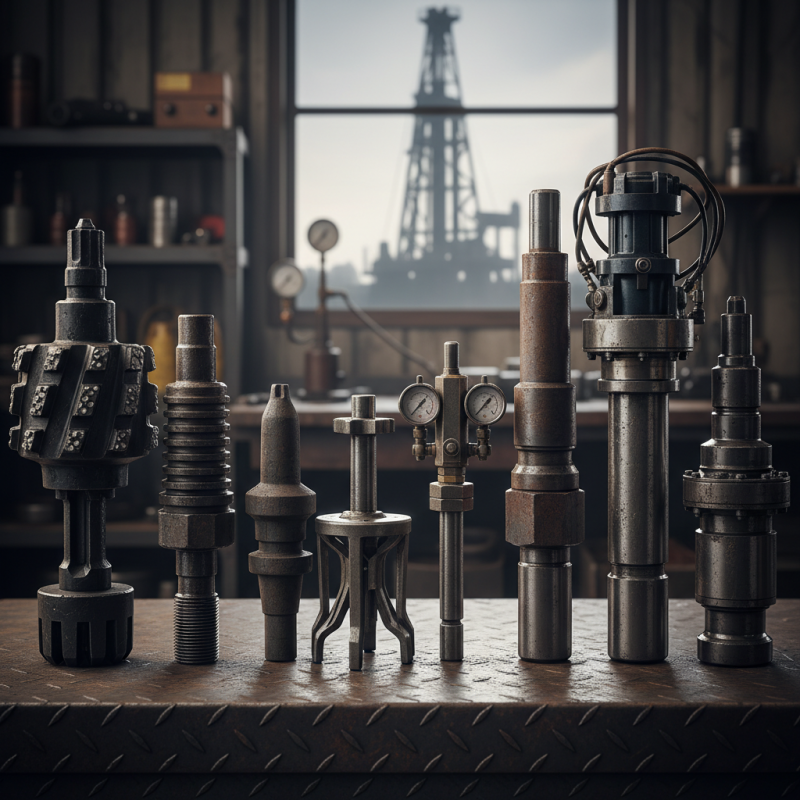
Downhole tools are essential in oilfield operations. They play a critical role in ensuring efficient drilling and production processes. In recent studies, it was noted that proper tool selection can enhance drilling performance by up to 30%. Effective choice of tools helps prevent downtime and reduces operational costs.
For instance, reamers, which smoothen boreholes, are vital for maintaining stability. Data from the International Association of Drilling Contractors indicate that stabilizers can help in maintaining borehole alignment, reducing the risk of costly deviations. Additionally, mud motors are popular for their ability to drill with high efficiency in challenging formations. Using the right mud motor can lead to a significant increase in drilling speed.
**Tip:** Regular maintenance of downhole tools is crucial. Inspecting tools before each operation can prevent unexpected failures.
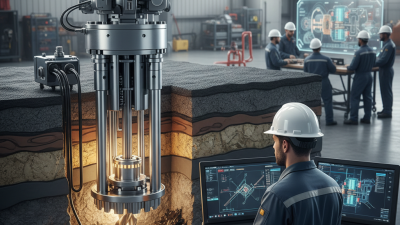
Another noteworthy aspect is the technology integration in downhole tools. Smart tools equipped with sensors offer real-time data. These tools assist in monitoring performance, leading to better decision-making. Real-time insights can improve safety measures and inform future strategies. However, overreliance on technology may sometimes lead to oversight of manual checks, which should not be neglected.
**Tip:** Balance technology use with manual inspections for optimal performance.
Top 10 Oilfield Downhole Tools You Need to Know
Essential Functions and Applications of Downhole Tools
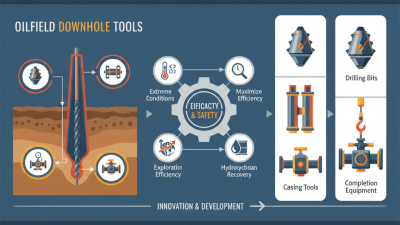
Downhole tools play a crucial role in oilfield operations. Their essential functions include drilling, logging, and production enhancement. A variety of tools are used for different tasks, each designed for specific geological challenges. For instance, drill bits are engineered to break rock effectively. Their design impacts drilling speed and efficiency.
Other downhole tools, like packers and plugs, are used for well completion and abandonment. They create seals that isolate sections of a well, ensuring safe operations. Understanding these tools can significantly enhance production rates and reduce downtime. Problems can arise here, such as tool failure or improper use. These issues necessitate regular training for personnel.
Furthermore, real-time data collection is facilitated by logging tools. They provide insights into reservoir conditions. However, misinterpretation of data can lead to costly errors. Professionals must ensure accurate analysis to make informed decisions. Investing in training and technology can help mitigate these risks.
Top 10 Oilfield Downhole Tools You Need to Know
| Tool Name |
Function |
Applications |
Key Features |
| Jetting Tool |
Fluid jetting |
Well cleaning, casing exit |
Variable nozzle sizes |
| Packer |
Isolation of zones |
Production, injection wells |
Expandable and retrievable types |
| Drill Bit |
Rock cutting |
Drilling new wells |
Various designs for different formations |
| Logging Tool |
Formation evaluation |
Wellbore diagnostics |
Real-time data transmission |
| Bailers |
Fluid recovery |
Sample collection |
Various sizes for different volumes |
| Stimulation Tool |
Enhancing reservoir flow |
Hydraulic fracturing |
Controlled pressure release |
| Completion Tool |
Well finishing |
Production initiation |
Customizable configurations |
| Safety Valve |
Protection against overpressure |
Production wells |
Automatic and manual operation |
| Casing Scraper |
Casing cleanup |
Well preparation for operations |
Multiple blade designs |
| Taper Tap |
Thread restoration |
Damaged threads |
Designed for various thread types |
Types of Downhole Tools: A Comprehensive Breakdown
Downhole tools are crucial for efficient oilfield operations. Different types of downhole tools serve unique purposes, making it essential to understand their roles. Common tools include drill bits, collars, and casing. Each tool type facilitates specific tasks, from drilling to well completion. The global downhole tools market is expected to grow rapidly, reaching $6.5 billion by 2025, driven by increasing oil demand (Source: Grand View Research).
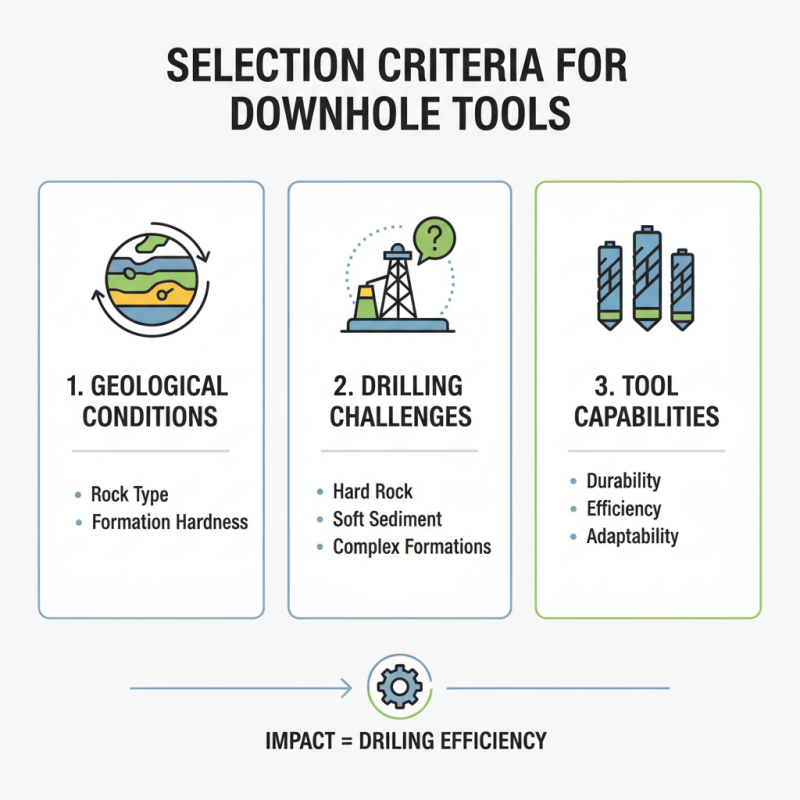
In drilling operations, drill bits are fundamental. They break the rock and allow for efficient drilling. Choosing the right bit can significantly affect drilling time and costs. The average cost per foot drilled can vary widely, depending on the used bit and formation. A poor choice may lead to extended drilling times and higher expenses.
Tips: Always analyze geological data before deciding on tools. A well-planned approach can optimize efficiency. Understanding the type of rock can guide bit selection. Also, consider the wear rates of each tool. Regular monitoring can prevent unexpected costs.
Another important tool is the perforating gun, which creates holes in the casing. This allows oil to flow into the well. However, improper placement can lead to serious production issues. Continuous training on tool usage is vital to avoid mistakes and enhance performance. Knowledge from industry professionals is invaluable.
Future Innovations in Downhole Tools Technology
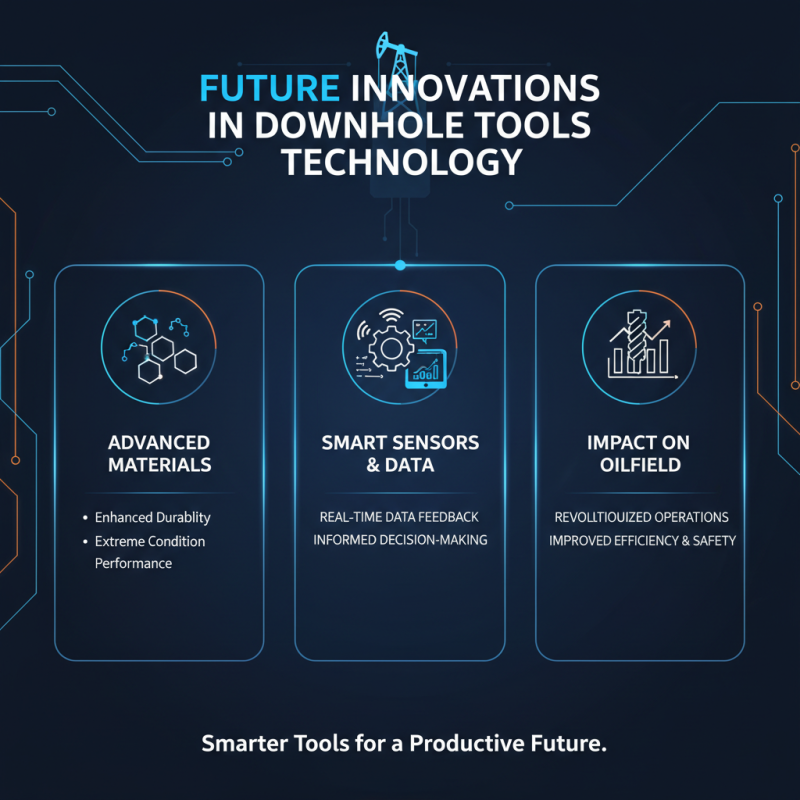
Future innovations in downhole tools technology promise to revolutionize the oilfield industry. New materials are being developed to enhance tool durability and performance under extreme conditions. Advanced sensors are also becoming common in downhole tools. These sensors provide real-time data, helping operators make informed decisions.
Automation is another key area for future developments. Robotic systems might soon handle more tasks in harsh environments. This shift could reduce risks for human workers and improve efficiency. However, these advancements bring challenges, like the need for extensive training.
The integration of artificial intelligence is expected to optimize tool functionality. AI can analyze data quickly, identifying patterns that humans might miss. These innovations represent a shift towards smarter oilfield operations. However, embracing this technology requires careful consideration of reliability and data security. As the industry pushes boundaries, the balance between innovation and practicality will be crucial.