CONTACT
Choosing the right Pipe Swaging Machine can shape production speed, fitting quality, and long-term operating costs. Global buyers often compare machines by capacity, automation, tooling options, and after-sales support. Yet specifications alone rarely tell the full story.
A reliable evaluation begins with the pipe materials, diameters, wall thicknesses, and daily workload. Stainless steel may demand different tooling and pressure control than mild steel. A machine running quietly in a factory showroom may perform differently under continuous production. That detail matters. Buyers should request sample swaging tests, cycle-time data, maintenance records, and references from similar industries.
This guide examines leading pipe swaging machines from a practical purchasing perspective. It considers forming accuracy, frame strength, hydraulic stability, control systems, energy use, and operator safety. Service access is equally important. A damaged seal or poorly supported die can delay an entire production line.
No comparison is perfect. Supplier claims still require verification. Regional voltage, installation conditions, spare-part availability, and technical training can change the final value. Buyers should also confirm applicable standards and import requirements with qualified local professionals. Transparent documentation builds trust. So does a supplier willing to discuss limitations.
The strongest choice is not always the most expensive model. It is the machine that matches real production demands and remains serviceable over time. Careful testing, realistic cost analysis, and direct communication can prevent expensive mistakes. This guide aims to support informed decisions for manufacturers, distributors, and engineering teams worldwide.
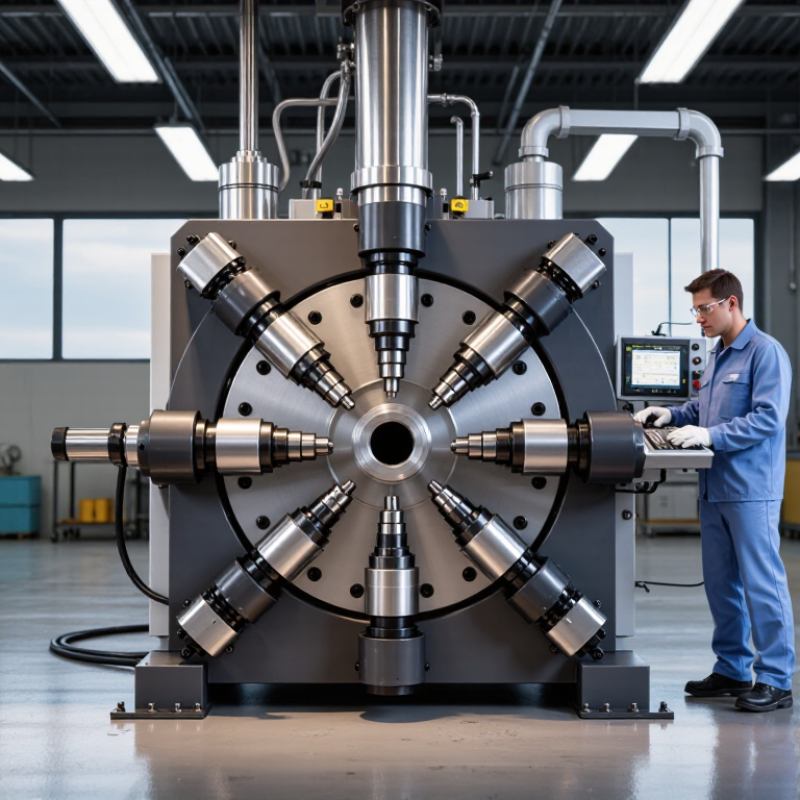
A pipe swaging machine changes a tube’s diameter, profile, or end shape through controlled forming. Unlike cutting, swaging compresses metal while preserving much of its length. The process can create smaller ends, smooth transitions, or connection-ready sections. It is widely used with steel, aluminum, copper, and other ductile materials.
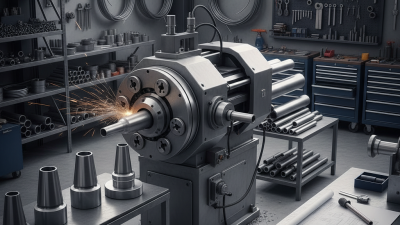
Rotary swaging machines use several dies that strike the tube rapidly from different directions. The workpiece rotates or moves through the die zone, depending on the machine design. Another common method uses hydraulic or mechanical force to press a tube into a shaped tool. Operators normally cut the tube, remove burrs, apply suitable lubricant, and align it carefully before forming begins.
Alignment matters greatly. A small offset can produce uneven walls or a tapered end. It sounds simple. In practice, the first setup is rarely perfect. Experienced operators check sample dimensions with calipers and wall-thickness gauges before starting continuous production. They also adjust feed speed, die clearance, and forming pressure for each material and size.
For global buyers, useful specifications include maximum tube diameter, forming length, motor capacity, control accuracy, tooling range, and maintenance access. A reliable machine should include clear operating instructions, guarded moving parts, and repeatable settings. Buyers should also confirm electrical compatibility, replacement-tool availability, training support, and documented quality checks before selecting equipment.
Top Pipe Swaging Machines for Global Buyers
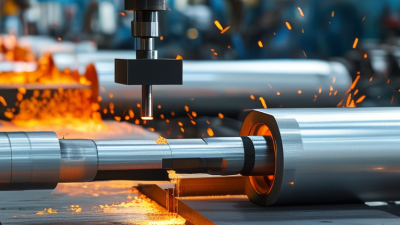
Rotary swaging machines reduce tube diameter through repeated radial blows. They suit stainless steel, copper, aluminum, and mild steel components. Their dies close quickly around the pipe, creating smooth transitions with limited material removal. This method works well for automotive tubes, hydraulic lines, and lightweight structural parts. It also supports accurate tapering near a tube end.
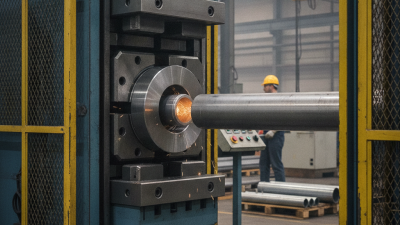
Press swaging machines use direct axial force to shape a pipe. They are practical for heavier walls, larger diameters, and short production runs. Operators can control forming pressure and stroke length with clear settings. However, excessive force may leave wrinkles or surface marks. A trial piece is essential. Small errors become expensive later.
Roll swaging machines form the pipe between rotating tools. They provide steady sizing and are useful for long sections or repeated profiles. CNC-controlled versions improve repeatability across different batches. Automatic loading can reduce handling time, while manual models may suit maintenance workshops. Check die compatibility, machine capacity, noise levels, and service support before purchasing. A machine that looks powerful may still struggle with thin-wall tubing. The specification sheet is not enough. Measure actual pipe samples, review tolerance results, and ask for forming data from comparable applications.
Choosing a pipe swaging machine starts with the tube range, not the advertised tonnage. Check compatible outer diameters, wall thicknesses, materials, and forming lengths. A machine rated for large steel pipe may perform poorly on thin stainless tubing. Ask for verified test results using your actual material. Small differences in hardness can change the final diameter.
Control quality matters during repeated production. Look for adjustable stroke length, stable hydraulic pressure, and clear digital settings. Mechanical stops can improve consistency when operators change shifts. Inspect the die system closely. Quick-change dies save time, but only when alignment remains accurate after repeated use. Measure sample parts with calipers or gauges, and record results from several cycles. One successful test proves very little.
Safety and service access deserve equal attention. Guards, emergency stops, overload protection, and clear operating instructions should be visible and practical. Confirm electrical requirements, including voltage, frequency, and control-panel language, before shipping. Ask whether replacement seals, dies, and sensors are available in your region. Poor documentation can delay installation for weeks. It is easy to focus on speed and forget maintenance space around the machine. That mistake is common. A lower purchase price may also hide higher setup costs, especially when training and tooling are excluded. The best comparison includes repeatability, support response, energy use, and the full cost of ownership.
Global pipe demand keeps swaging equipment relevant across construction, energy, automotive, and fluid systems. The World Steel Association’s World Steel in Figures 2024 reports nearly 1.9 billion tonnes of crude steel production in 2023. That scale does not guarantee easy purchasing decisions. Pipe materials, wall thickness, diameter ranges, and required end profiles vary sharply between factories.
A reliable machine should offer repeatable force, stable tooling, and clear adjustment controls. Rotary swaging suits precise diameter reduction and compact pipe ends. Radial systems can support heavier sections and demanding production cycles. Buyers should request trial data using their actual tube material. Ask for dimensional records, cycle times, noise readings, and tooling wear observations. Numbers matter more than polished demonstrations.
Safety deserves equal attention. ISO 12100 provides a useful framework for machinery risk assessment, while ISO 13849 supports safety-related control design. Electrical compatibility, guarding, emergency stops, and technical documentation must fit the destination market.
Confirm spare-part availability before signing. Small delays can stop a full production line.
A faster machine is not always better. Excessive impact can mark thin-wall tubing or shorten die life. This is where many comparisons become too simple. I would also question unusually high output claims without material specifications. Global buyers should compare total operating cost, operator training, maintenance access, and acceptance testing, not only purchase price. A practical checklist may reveal an uncomfortable truth: the cheapest machine can become the least economical choice.
Safety, Maintenance, and International Purchasing Considerations
A reliable pipe swaging machine should have fixed guards, an accessible emergency stop, and clear operating instructions. Safety comes first. Operators need training on tooling changes, pinch points, hydraulic pressure, and safe pipe alignment. Keep hands away from the forming area, even during minor adjustments. A clean floor also reduces slips around oil and metal debris.
Maintenance affects accuracy and service life. Inspect dies, clamps, hoses, electrical cables, and fasteners at scheduled intervals. Remove metal dust before it enters moving parts. Check hydraulic oil levels and watch for leaks under pressure. Small faults grow. In practice, our first maintenance checklist was too general, so technicians missed worn guides. A better checklist records inspection dates, measured wear, replaced parts, and responsible personnel. Local technicians should receive practical training, not only a translated manual.
International purchasing requires careful technical verification. Confirm pipe diameter ranges, material compatibility, production speed, power frequency, plug requirements, and machine dimensions before ordering. Request installation drawings, spare-parts lists, test reports, and a written warranty. Import duties, packaging methods, insurance, and port handling can change the real cost significantly. Ask whether remote support is available across time zones. Some buyers focus heavily on purchase price and overlook downtime. That choice can become expensive. A pre-shipment inspection, secure export packaging, and clear acceptance criteria provide stronger protection for overseas projects.