Top 10 Drilling Equipment You Need to Know About?
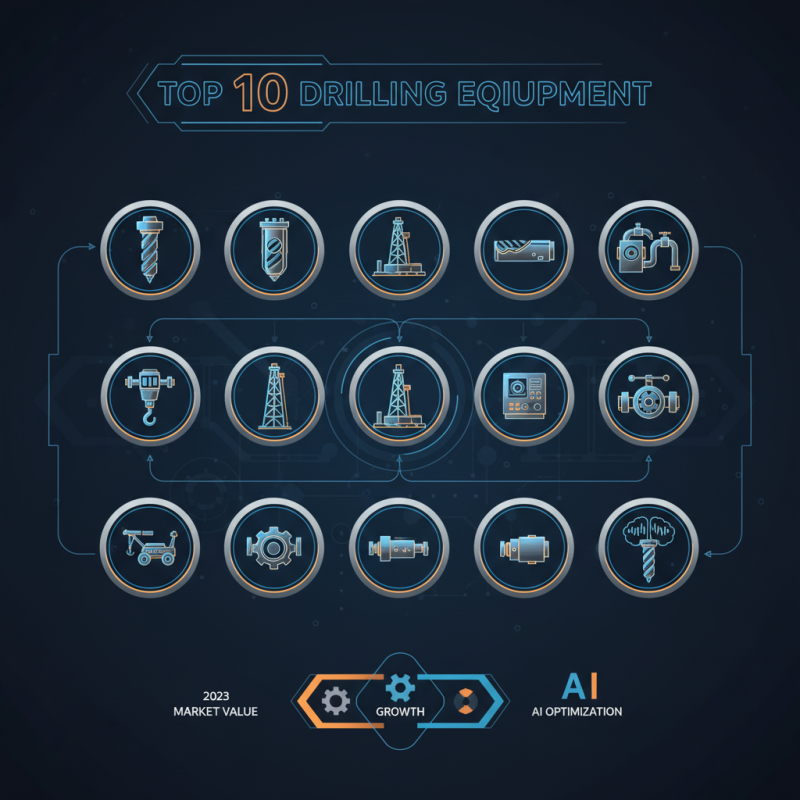
The drilling equipment industry plays a crucial role in various sectors, including oil and gas, construction, and mining. As of 2023, the global drilling equipment market was valued at approximately $80 billion, showcasing significant growth due to rising demands for resource extraction. Understanding the essential top ten drilling equipment items is vital for professionals in these industries.
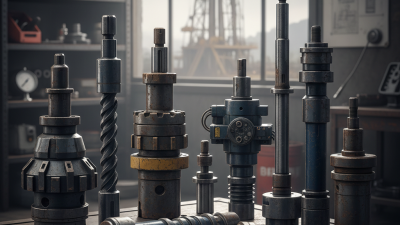
Drilling equipment encompasses various tools and machines designed for efficient drilling processes. This includes rotary drills, core drills, and more specialized gear. However, many new entrants in the industry often overlook the importance of investing in quality equipment. Relying on lower-quality drills may lead to inefficiencies and increased costs down the line.
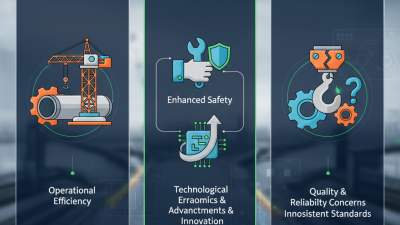
Moreover, advancements in technology have revolutionized drilling practices. Emerging AI solutions assist in optimizing drilling operations and enhancing safety standards. However, some companies still resist integrating these new technologies, risking their competitive advantage. Ultimately, choosing the right drilling equipment is essential for success, yet companies must also reflect on their adoption of new technologies to remain relevant in this ever-evolving market.
Top 10 Essential Drilling Equipment for Professionals
When it comes to drilling, having the right equipment is crucial. Professionals in the field rely on essential tools to ensure efficiency and safety. A sturdy drilling rig is the backbone of any operation. It provides the necessary support for various drilling techniques.
Another important tool is a high-quality drill bit. The right bit can make a significant difference in performance and longevity.
In addition to the rig and drill bit, mud pumps play a vital role in the drilling process. These pumps circulate drilling fluid, which cools the bit and stabilizes the borehole. A reliable set of drill pipes is also essential. The pipes need to withstand high pressures while maintaining flexibility.
Additionally, safety equipment can’t be ignored. Helmets, gloves, and eye protection are non-negotiable for ensuring worker safety.
While these tools are often taken for granted, each has its own challenges. Regular maintenance is necessary to avoid breakdowns. Often, it’s easy to overlook the wear and tear of equipment. This can lead to costly delays. Professionals must remain vigilant to ensure that all gear is in top shape. Attention to detail can prevent small issues from escalating into major problems.
Understanding the Types of Drilling Rigs and Their Applications
Drilling rigs are essential for various applications, from oil extraction to mineral exploration. Understanding the different types of rigs can significantly impact project success. According to recent industry reports, the global drilling rig market is projected to grow by 5.8% annually through 2025. This growth highlights the increasing demand for advanced drilling solutions.
There are several rig types, including rotary and top-drive systems. Rotary rigs are commonly used in oil and gas drilling. They use a rotating drill bit, allowing for deeper penetration. In contrast, top-drive rigs offer faster drilling speeds and reduced downtime. These rigs are well-suited for challenging environments, but they require skilled operators. Inefficient use can lead to increased costs and project delays.
Land-based rigs dominate the market, accounting for nearly 70% of all drilling activities. However, offshore rigs are gaining traction due to advancements in deep-water technology. The industry must also grapple with environmental concerns. Challenges in meeting regulatory standards can hinder project timelines. Innovations in rig design may help address these issues, but implementation remains slow and costly.
Top 10 Drilling Equipment You Need to Know About
Key Components of Drilling Equipment and Their Functions
Drilling equipment is essential for various industries. Understanding its key components can help you improve efficiency. The drill bit, for example, is crucial. It directly cuts into the material. Different shapes and sizes mean different applications. Choosing the right bit is not always straightforward.
Another important part is the drill rig. It holds everything together and provides stability. A well-structured rig can enhance operational safety. However, the rig's complexity can lead to maintenance issues. Regular checks are necessary but often overlooked.
Then there's the mud system, vital for cooling and lubrication. It carries cuttings away, maintaining clean operation. But managing the mud can be tricky. Variations in material can affect its performance. Operators often need to adjust the mix repeatedly. Such details matter, yet they are frequently ignored in planning stages.
Safety Equipment Required for Drilling Operations
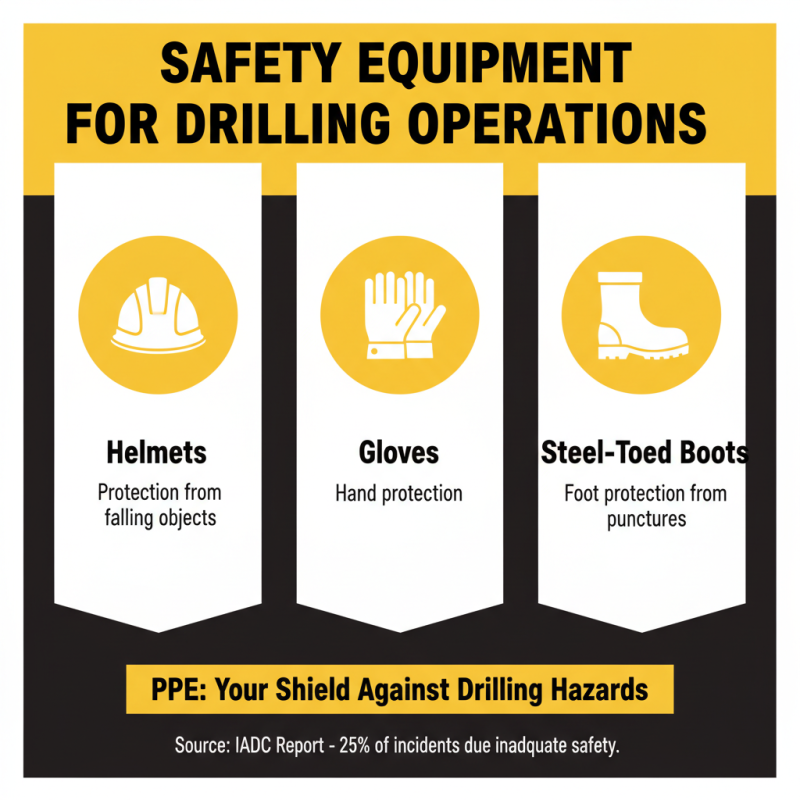
Drilling operations pose significant hazards. Using proper safety equipment is crucial. According to a report by the International Association of Drilling Contractors (IADC), nearly 25% of incidents in drilling are due to inadequate safety measures. Operators must focus on personal protective equipment (PPE) such as helmets, gloves, and steel-toed boots. These items protect workers from falling objects and punctures.
Moreover, fall protection systems are vital. The Centers for Disease Control and Prevention (CDC) states that about 15% of drilling accidents involve falls. Harnesses and guardrails can reduce these risks significantly. Regular training ensures that workers understand how to use safety equipment. Yet, there are still gaps in compliance. A survey found that over 30% of workers reported not having received proper safety training. This issue needs addressing to enhance overall safety in the field.
Fire safety equipment is another critical area. Drilling operations often work with flammable materials. Yet, many sites lack adequate fire suppression systems. A study from the National Fire Protection Association (NFPA) showed that nearly 40% of drilling fires resulted from equipment failure. Routine checks and maintenance are essential. This helps prevent catastrophic situations. Safety protocols must be reassessed regularly to incorporate new findings and feedback from the field.
Future Trends in Drilling Technology and Equipment Development
The future of drilling technology is rapidly evolving. Automation is becoming a major focus. Machines can now perform tasks once done by humans. This increases efficiency but may reduce job opportunities. It's essential to stay informed about these changes.
New materials are also shaping drilling equipment. Lightweight composites are being used to create stronger tools. These advancements can enhance performance but may come with increased costs. We must balance innovation with affordability.
Tips: Regular training for workers is critical. Understanding new technologies can prevent mishaps. Also, always consider the longevity of new tools. Investing in durable equipment saves money in the long run. Stay adaptable and open to change as the industry progresses.