How to Select the Right Oilfield Downhole Tools for Your Needs?
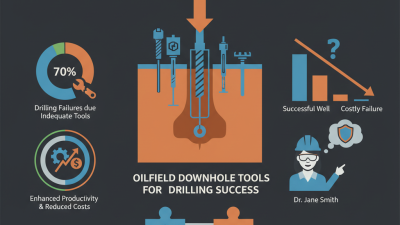
Selecting the right Oilfield Downhole Tools is crucial for successful drilling operations. The right tools can improve efficiency and reduce costs. However, the process can be complex due to various factors.
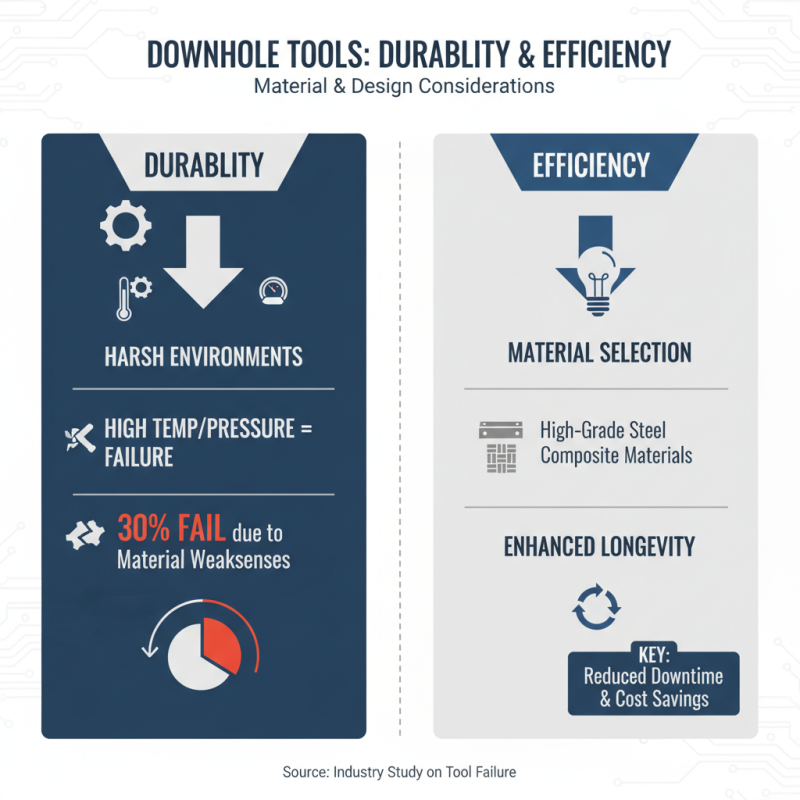
Consider the type of well and the specific challenges faced. Each Oilfield Downhole Tool has unique features. Some are designed for durability in harsh conditions. Others focus on precision and speed. Understanding the project requirements is key to making informed choices.
It’s essential to evaluate the performance of these tools. Sometimes, what looks good on paper may not translate to real-world success. Not all tools perform equally well under pressure. Rigorous testing and feedback can highlight potential shortcomings. Reflecting on past experiences can guide future selection.
Understanding the Different Types of Downhole Tools Available in Oilfields
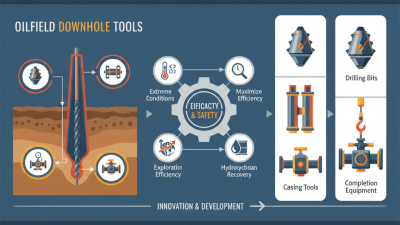
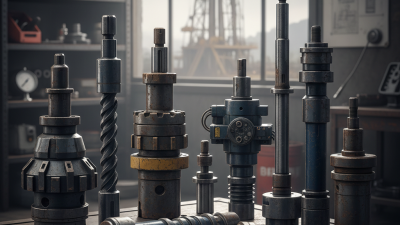
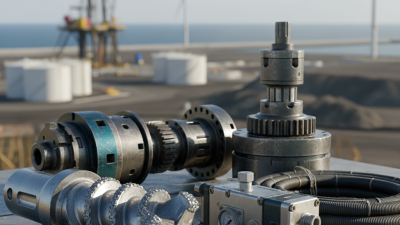
In oilfields, downhole tools play a crucial role in extraction processes. There are various types of tools tailored for different tasks. For instance, drilling bits create pathways in tough rock formations. These bits come in many shapes and sizes, catering to specific geological conditions.
In addition to drilling bits, completion tools are essential for well functioning. They help in isolating sections of the well for production. However, selecting the right type requires a deep understanding of the well's characteristics. Misjudgments can lead to costly delays.
Another category includes intervention tools, which assist in repairs and maintenance. They allow operators to address issues without pulling the entire assembly from the hole. Yet, using the wrong type can complicate the process. It's important to evaluate each tool's features and potential risks. Practicing careful selection can ultimately streamline operations.
Assessing Operational Requirements for Selecting Downhole Tools
Selecting the right downhole tools requires careful consideration. Start with assessing operational requirements. What is the depth of the well? Are there challenges with temperature and pressure? Understanding these factors can guide your choices. Requires an analysis of your specific application. What type of drilling are you engaging in? Knowledge of your geological conditions helps narrow down options.
You may find it helpful to consult with experienced professionals. Their insights can clarify which tools will work best. Yet, remember that no tool is perfect. Each has limitations. For instance, some tools are designed for speed but may sacrifice durability. This trade-off requires reflection on your project priorities. Think about the balance between efficiency and reliability. The right choice can greatly influence drilling success but should align with realistic performance expectations.
How to Select the Right Oilfield Downhole Tools for Your Needs? - Assessing Operational Requirements for Selecting Downhole Tools
| Tool Type |
Application |
Depth Capacity (ft) |
Temperature Rating (°F) |
Pressure Rating (psi) |
| Packer |
Isolation of sections in the well |
10,000 |
350 |
10,000 |
| Drill Bit |
Bore drilling |
20,000 |
400 |
25,000 |
| Fishing Tool |
Recovering lost tools |
15,000 |
300 |
15,000 |
| Sleeve Valve |
Control fluid flow |
8,000 |
450 |
12,000 |
| Production Tubing |
Transporting oil and gas |
10,000 |
250 |
10,000 |
Examining Manufacturer Reputation and Product Support Services
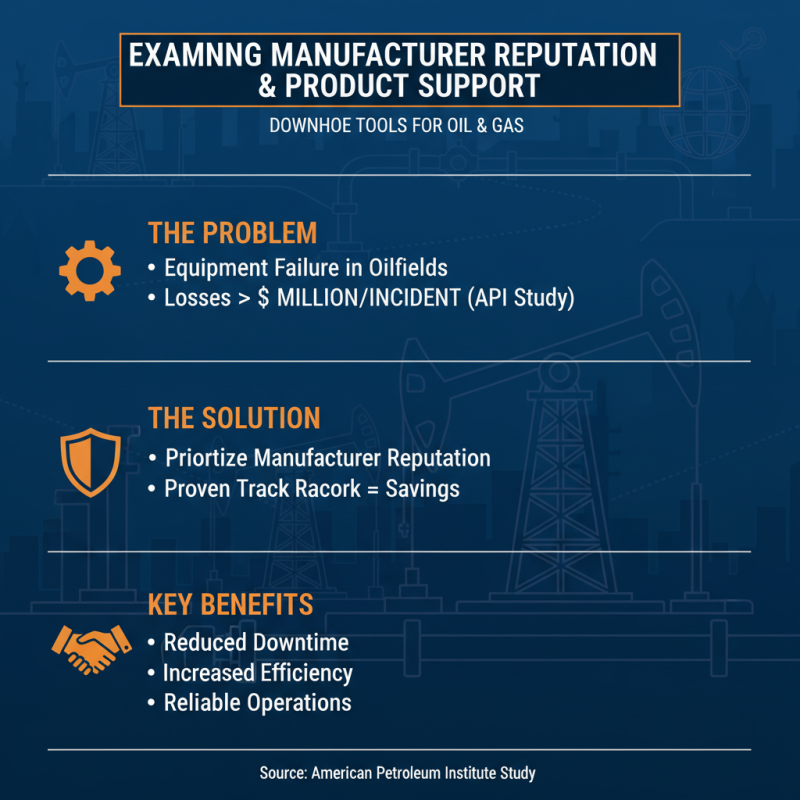
When selecting downhole tools for oilfields, focusing on manufacturer reputation is vital. A study by the American Petroleum Institute indicates that equipment failure can lead to significant losses, sometimes exceeding $1 million per incident. Therefore, understanding a manufacturer's track record can save considerable time and money.
Product support services are equally important. According to a report by a leading industry analyst, 75% of drilling incidents arise from inadequate technical support. Manufacturers that offer robust support can swiftly address issues, minimizing downtime. It’s essential to examine their response times and service capacity.
Engaging with experienced professionals can provide insights into their experiences with various manufacturers. This feedback emphasizes the differences in service quality. Many users have noted that lesser-known brands often lack the responsive support expected in times of crisis. An informed decision includes questioning what happens when tools fail. Being proactive in choosing the right partner can significantly impact operational efficiency.
Cost vs. Performance: Making Informed Decisions in Tool Selection
Selecting the right oilfield downhole tools can be a daunting task. The balance between cost and performance is crucial. According to recent industry reports, companies often face a trade-off. Cutting costs can lead to lower efficiency and productivity. This can ultimately affect the bottom line.
Understanding specific project needs is vital. Evaluate the performance metrics that matter most. For example, tools with higher durability reduce the frequency of replacements. This can save both time and money over the long run. Always consider maintenance costs when selecting tools. Simple tools may have lower upfront costs but can lead to higher operational expenditures.
Tips: Focus on the total cost of ownership, not just the initial purchase price. Look for tools that offer the best performance at the right price point. Analyze historical performance data when possible. Engaging with industry experts can provide insights into the most effective tools for your specific applications. Learning from past experiences can enhance decision-making and avoid costly mistakes.
Oilfield Downhole Tools Selection: Cost vs. Performance