How to Optimize Your Bucking Unit for Better Performance
In today's competitive forestry industry, the optimization of your Bucking Unit is essential for enhanced performance and efficiency. Recent studies show that improper bucking techniques can lead to a loss of up to 20% in potential profit. This highlights the necessity for companies to refine their processes. By focusing on the capabilities of the Bucking Unit, businesses can significantly improve their logging operations.
Modern Bucking Units are equipped with advanced technology, yet many users fail to maximize their potential. For instance, a well-calibrated Bucking Unit can reduce processing time by nearly 30%. However, not all operators leverage this efficiency. Industry experts recommend regular maintenance and training to ensure optimal performance. Inconsistent practices lead to waste, undermining investment.
To truly capitalize on the benefits, companies must critically evaluate their Bucking Unit usage. What are the most common pitfalls? How often are units calibrated? These questions pave the way for comprehensive improvements. Reflecting on current operations can unveil opportunities for growth and increased profitability. A focused approach to optimizing your Bucking Unit can turn challenges into competitive advantages.

Understanding the Basics of a Bucking Unit
A bucking unit is essential in various industries, especially in lumber processing. Understanding its basics can greatly enhance performance. It comprises several key components, including saws and conveyors, which work in harmony. Each part must function efficiently to ensure optimal productivity.
One area for reflection is the alignment of your equipment. Misalignment can lead to increased wear and tear. Regular checks can help avoid unnecessary downtime. Adjusting the tension on saw blades is another vital tip. Too much tension may cause blade breakage, while too little can reduce cutting efficiency.
Consider the speed settings of your bucking unit. A slower speed may yield cleaner cuts but can decrease throughput. Conversely, too high a speed can lead to rough edges. Finding the right balance is crucial. Regularly evaluate your setup, and don't hesitate to make adjustments based on the material being processed. Understanding these fundamentals can significantly enhance the effectiveness of your bucking unit.
Key Components Affecting Bucking Unit Performance
Optimizing a bucking unit involves understanding key components that impact its performance. These components include the cutting system, feed mechanism, and power source. Each plays a crucial role in how efficiently the unit operates.
The cutting system must be sharp and well-calibrated. Old or dull blades lead to inefficient cuts and excess energy usage. Regular maintenance ensures that the cutting edges remain effective. Over time, debris can build up, affecting the performance. This aspect often gets overlooked, yet it significantly influences output quality.
The feed mechanism needs to deliver consistent material flow. If the feed rate is too slow or too fast, it can lead to jams or wasted resources. Operators should monitor the system regularly and adjust settings based on material type. Finally, the power source should match the unit's capabilities. An inadequate power supply can hamper performance. Having robust and reliable energy sources is critical for sustained operation.
Techniques for Enhancing Efficiency and Output
To enhance the efficiency and output of your bucking unit, several practical techniques can be employed. Start by assessing your current workflow. Identify bottlenecks that slow down production. Regularly check equipment calibration. An uncalibrated unit can lead to inconsistent cuts and wasted materials. Implementing a scheduled maintenance routine keeps your equipment running smoothly, minimizing downtime.
Training operators is another vital aspect. Skilled operators can significantly increase the unit's output. Encourage hands-on practice and share best practices. This approach not only builds confidence but also fosters a culture of continuous improvement. Invest in feedback loops, allowing operators to report issues promptly. This helps in addressing problems before they escalate.
Consider experimenting with different settings. While there is no one-size-fits-all solution, slight adjustments can yield better results based on the specific material being processed. Keep records of various settings and outcomes to analyze performance trends. However, remember that not every adjustment will be successful. Embrace failure as part of the learning process. Track what works and what doesn’t to refine your approach over time.
Regular Maintenance Practices for Optimal Functioning
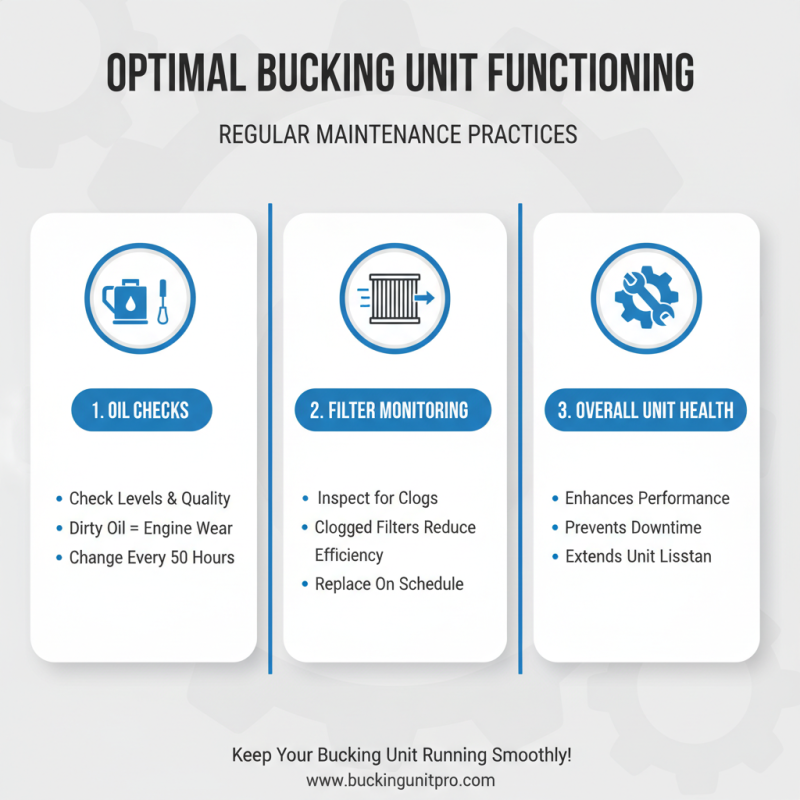
Regular maintenance is crucial for the performance of your bucking unit. First, frequently check the oil levels and quality. Dirty oil can lead to engine wear and tear. Consider changing the oil every 50 hours of operation. Keep an eye on filters, too. Clogged filters reduce airflow and efficiency. Replacing them on schedule can significantly impact the unit's functionality.
Another important aspect is inspecting the belts and hoses. Look for any signs of wear, such as fraying or cracking. If you notice any damage, replace the affected parts to prevent breakdowns. Regularly tightening bolts is also essential. Loose components can lead to vibrations and inefficiencies. A simple torque wrench can help maintain the right specifications.
It's easy to overlook small issues, but they can escalate quickly. For instance, neglecting to clean out debris can cause overheating. Take a moment to address these details. They contribute to smoother operations and prolonged unit life. Reflecting on past maintenance, consider how improved practices could save time and costs in the future. Prioritize these routine checks to enhance overall performance.
Monitoring and Analyzing Performance Metrics
Monitoring performance metrics is crucial for optimizing your bucking unit. Start by tracking essential data like
uptime,
throughput, and
operational efficiency.
Consistent monitoring allows you to identify trends and pinpoint issues before they escalate. For example, a sudden drop in throughput could indicate a mechanical issue or operator inefficiency. Regular data analysis helps you make informed decisions.
Incorporating visual dashboards can further enhance your understanding of these metrics. They provide instant insights and allow for quicker reaction times. However, relying solely on visuals can lead to oversights. It's essential to dive deeper into the numbers periodically to uncover underlying problems. Ask questions:
Is this anomaly consistent?
What external factors are at play?
Benchmarking against industry standards is also valuable. It gives context to your performance data. Aim for
continuous improvement, but also embrace the idea of learning from setbacks. Every discrepancy in data is a chance to refine your processes. Recognizing this can lead to better strategies and ultimately, improved performance of your bucking unit.