What is a Drill Collar and Its Importance in Drilling?
In the world of drilling, the role of a Drill Collar cannot be overstated. These heavy metal components are crucial for maintaining stability and providing weight to the drill bit. Without the right amount of weight, drilling can be inefficient and dangerous. Drill Collars help in penetrating hard rock formations while ensuring that the drill string remains rigid and aligned.
Drill Collars are typically made from alloy steel or other high-strength materials. Their density and design allow them to exert sufficient downward force. This weight ensures better contact between the drill bit and the rock, leading to more effective drilling. The importance of a properly designed Drill Collar is evident in its ability to withstand harsh conditions.
The complexity of drilling operations demands expertise in selecting the right Drill Collar. An improper choice can lead to severe complications. Understanding the characteristics of different Drill Collars enhances drilling efficiency. Therefore, careful consideration is necessary in their design and application. This is not just a technical component of drilling; it represents a significant investment in safety and performance.

What is a Drill Collar: Definition and Overview
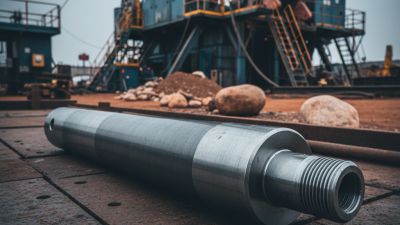
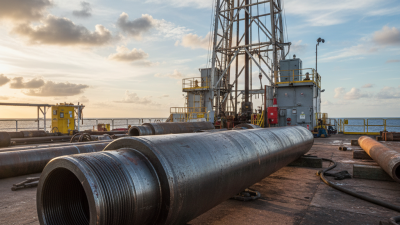
A drill collar is a heavy, thick-walled tube used in drilling operations. It provides weight to the drill bit, helping it penetrate the earth’s crust effectively. Drill collars are crucial in maintaining stability during drilling, especially in challenging geological formations. Their weight helps to counterbalance the forces acting on the drill string, reducing the risk of buckling.
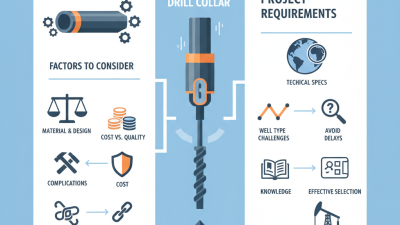
When considering the choice of drill collars, material and design matter. Heavy steel is common, but alternative materials may enhance performance in specific applications. Proper selection can improve efficiency and reduce overall costs.
Tip: Always conduct routine inspections of your drill collars. Look for signs of wear or damage. A small crack can lead to significant issues down the line.
Maintaining the right balance in the drill assembly is key. Using too many drill collars can lead to complications. It can cause excessive drag or make it hard to control the drill's path.
Tip: Regularly consult with drilling experts. They can provide insights based on experience and industry standards. This will enhance your drilling operations and minimize risks. Understanding the importance of drill collars will ultimately lead to safer and more efficient drilling practices.
The Role of Drill Collars in the Drilling Process
Drill collars are crucial components in the drilling process. They are thick, heavy tubes attached to drill strings. Their primary purpose is to provide weight on the bit, ensuring efficient penetration into the formation. This weight is vital for maintaining downhole pressure and preventing the collapse of the wellbore. When used properly, drill collars can enhance the overall drilling performance.
One key point is to choose the right size and weight of drill collars. An incorrect selection can lead to a variety of issues, such as stuck pipe or inefficient drilling. It's essential to analyze the specific drilling conditions and adjust accordingly.
Tips: Regularly monitor weight on the bit during drilling. Small adjustments can prevent significant problems. Always consult geologists and drilling engineers to interpret formation data accurately. Effective communication among team members is crucial to address any unexpected challenges that arise.
Drill collars also help with the stability of the drill string. They counteract unwanted vibrations during drilling. However, over-reliance on them can lead to complications. It’s important to find a balance. Continuous learning and adaptation can improve drilling strategies and efficiencies.
Key Materials and Design Features of Drill Collars
Drill collars are crucial components in drilling operations. They provide weight to the drill string, enhancing penetration capability. The design features of drill collars significantly affect their performance in diverse conditions. Usually made from thick steel, they can withstand high pressures and stresses encountered during drilling.
One important material choice is the type of steel used. High-strength steel maximizes durability and minimizes wear. The manufacturing process also matters. Precision machining ensures that the collars fit tightly with other parts of the drill string. Additionally, some collars are designed with a spiral shape to improve fluid circulation. This aids in cooling the drill bit and removing debris.
Despite these advancements, challenges remain. Weight distribution can be uneven, leading to potential instability. Operators must frequently assess the collar's condition to prevent failure. Monitoring its performance under various pressures is essential to avoid costly downtime. These factors highlight the need for ongoing improvements in design and material science for drill collars.
What is a Drill Collar and Its Importance in Drilling? - Key Materials and Design Features of Drill Collars
| Dimension |
Value |
Importance |
| Weight |
1000 lbs |
Increases downward force during drilling |
| Length |
30 ft |
Longer collars provide better control and stability |
| Material |
Steel with high tensile strength |
Durability and resistance to deformation under high load |
| Outer Diameter |
6 in |
Compatibility with drill string and efficient use of space |
| Connection Type |
Threaded connection |
Ensures strong and secure assembly of drill components |
Importance of Drill Collars in Weight Transfer and Stability
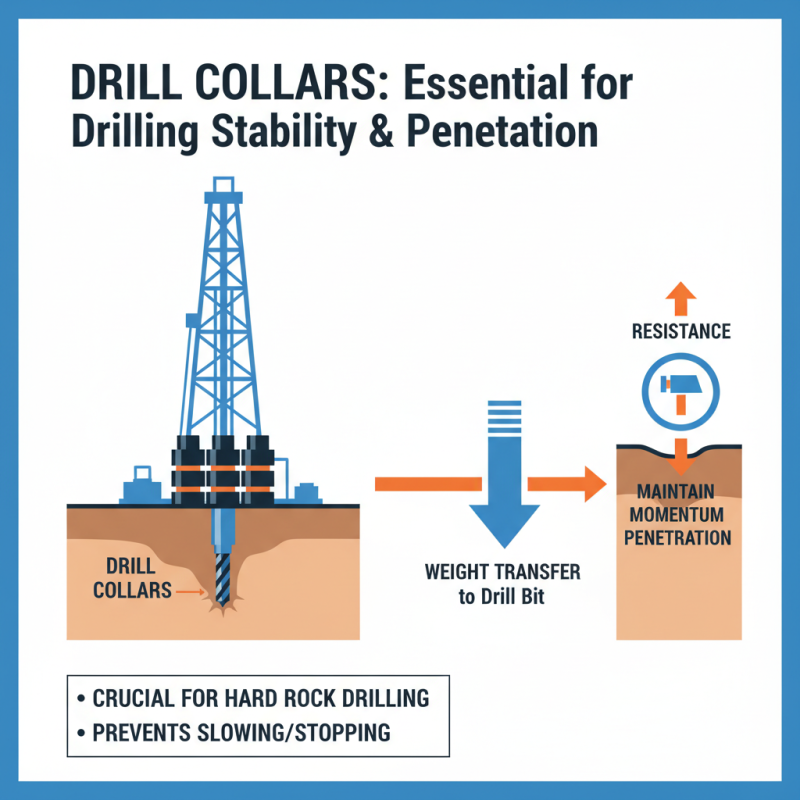
Drill collars play a vital role in the drilling process. They are heavy tubular pieces added to the drill string. Their primary function is to help transfer weight down to the drill bit. This weight is crucial for penetration into hard rock formations. When a drill bit encounters resistance, the right amount of weight helps maintain momentum. Without adequate weight, drilling can slow down or even stop entirely.
Stability is another critical aspect where drill collars shine. A stable drilling environment reduces vibrations. These vibrations can lead to equipment wear and costly downtime. The added weight from drill collars helps maintain the drill string's balance. It also minimizes lateral movement, ensuring that the drill bit stays on track. In challenging geological conditions, this stability is essential for successful drilling operations.
Despite their importance, there are challenges. Improper weight distribution can lead to inefficiencies. If the drill collars are too heavy, they may cause excessive wear on the bit. Conversely, too light collars won’t provide enough pressure. Addressing these issues requires careful planning and adjustments throughout the drilling process. Being attentive to these factors can make a significant difference in drilling efficiency and cost.
Industry Standards and Safety Considerations for Drill Collars
In the drilling industry, drill collars play a crucial role in well construction. They provide weight to drill bits, ensuring optimal penetration into the earth. Industry standards emphasize the importance of these components for safety. According to a report from the Society of Petroleum Engineers, improper use of drill collars can lead to significant operational hazards.
Safety considerations must be at the forefront. The American Petroleum Institute (API) sets strict specifications for drill collar manufacturing and testing. These standards help reduce risks associated with drill string failures. Regular inspections and maintenance of drill collars are necessary to ensure compliance with industry guidelines.
Tips: Always conduct thorough inspections before deployment. Look for signs of wear or damage on drill collars. Proper training for personnel managing drill collars is essential for mitigating risks. Prioritize safety protocols throughout the drilling process. Inadequate attention to these details can lead to costly accidents or project delays.
Importance of Drill Collars in Drilling Operations
This chart illustrates the key factors contributing to the importance of drill collars in drilling operations, emphasizing their roles in ensuring optimal performance and safety. Each factor is represented by a percentage that reflects its significance in the overall drilling process.