Why Choose the Right Drill Collar for Your Needs?
Choosing the right drill collar is crucial for efficient drilling operations. A drill collar is a heavy, thick-walled pipe that plays a key role in controlling weight and adding stability to the drill string. Proper selection can significantly impact drilling performance and safety. An inappropriate drill collar may lead to various operational issues, including fatigue and equipment failure.
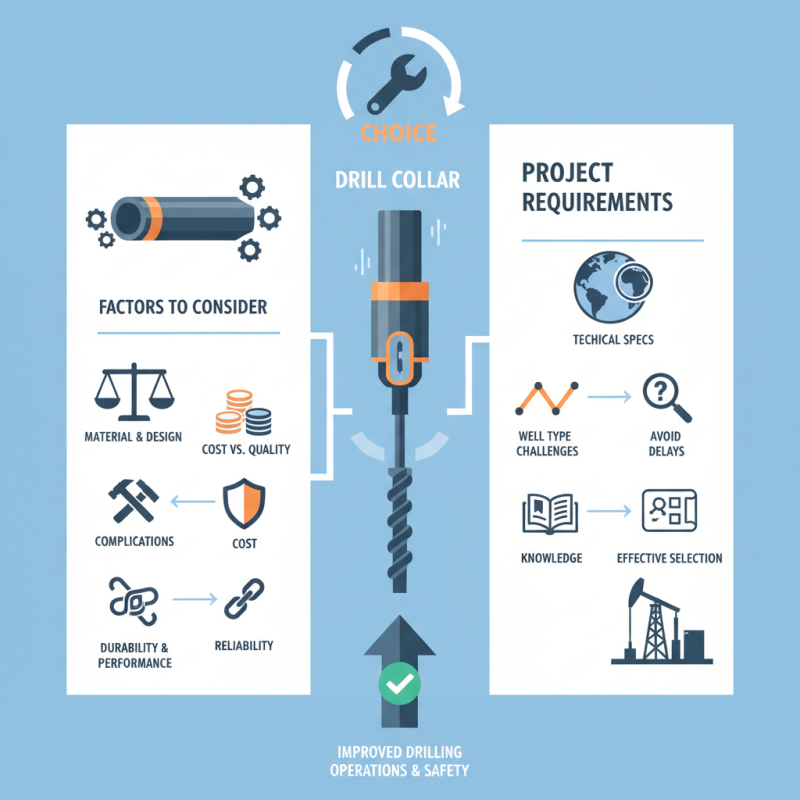
When considering a drill collar, several factors come into play. The material and design can affect durability and performance. Companies often face a tough decision: prioritize cost or invest in high-quality collars. Cutting costs may seem appealing, but it can result in complications during drilling. A well-chosen drill collar, however, enhances operational reliability.
Ultimately, knowing the specific requirements of your drilling project is essential. Each type of well presents unique challenges. Ignoring these nuances may lead to inexperienced choices and unplanned delays. Therefore, it is vital to evaluate both the technical specifications and the demands of the well. This knowledge ensures that the selected drill collar meets the needs of the project effectively.
Understanding Drill Collars: Definition and Purpose
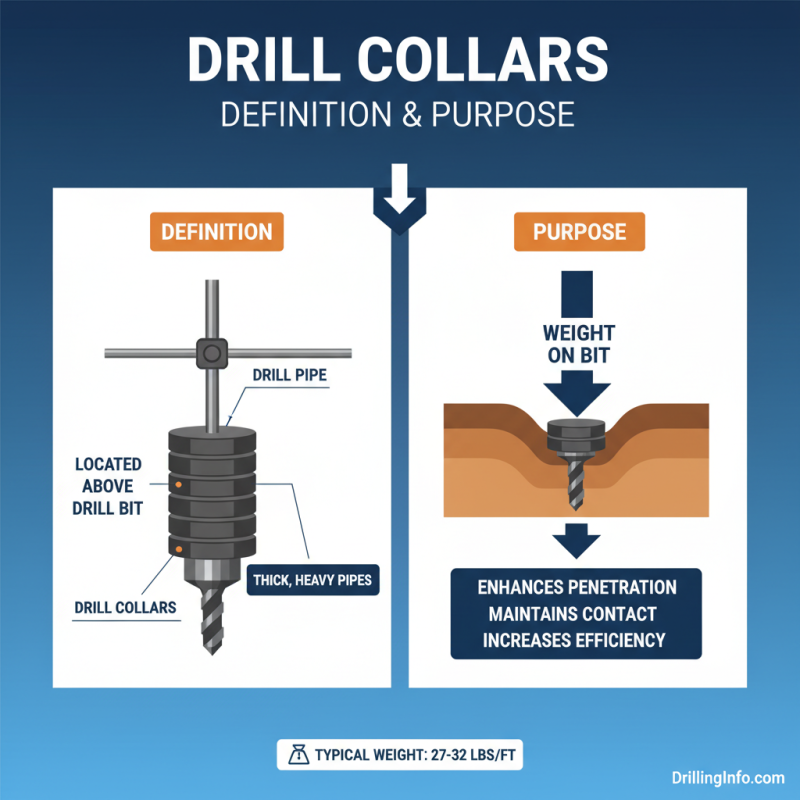
Drill collars are vital components in the drilling process. They provide weight to the drill bit, enhancing its ability to penetrate rock formations. A typical drill collar weighs between 27 and 32 pounds per foot, depending on its design. This weight helps maintain contact between the bit and the geological formations, which is critical for efficiency.
Understanding their purpose requires a look at the mechanics of drilling. The drill collar affects the drill string's stiffness. A stiffer string maintains better control in directional drilling. Reports indicate that a proper drill collar can increase penetration rates by up to 25%. However, selecting the wrong collar could lead to problems, such as buckling or excessive wear on equipment.
Different formations require specific collar types. For example, in harder rock formations, a heavier collar is often more effective. In softer formations, a lighter collar may suffice. Many operators may overlook this nuance, resulting in inefficiencies. The importance of accurately assessing site conditions cannot be overstated. The right choice can dramatically impact performance and cost-efficiency.
Key Factors in Selecting the Right Drill Collar
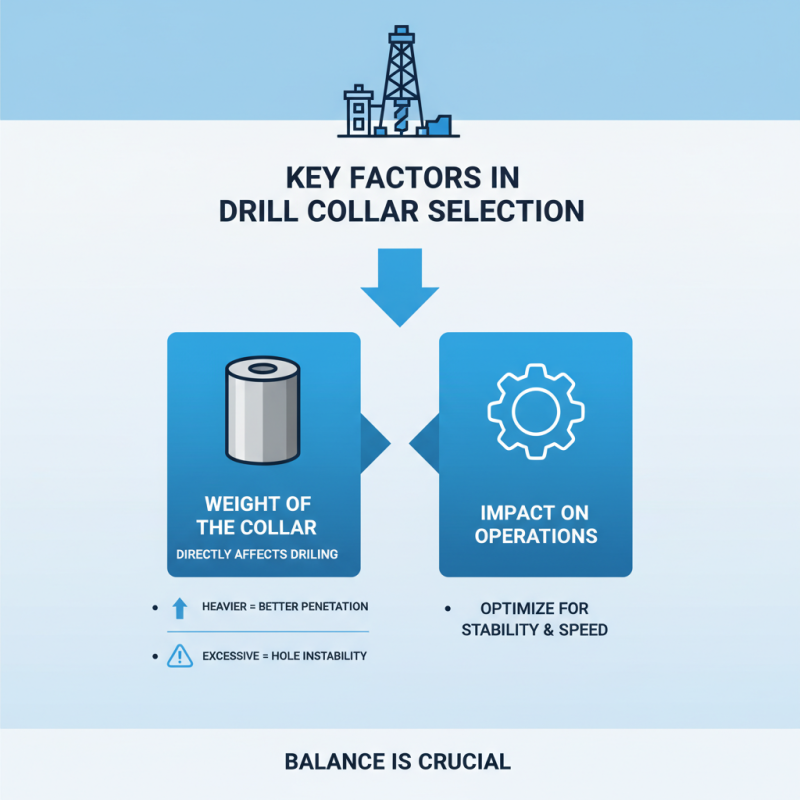
When selecting the right drill collar, several key factors come into play. The weight of the collar is crucial. It affects the drilling operations directly. A heavier collar can provide more weight on the bit, leading to better penetration rates. However, it's essential not to overdo it. Excessive weight can lead to issues in hole stability.
Material is also important. Drill collars are typically made from steel or other alloys. Steel is durable and offers good performance. However, the choice of material can impact the costs significantly. Cheaper options may not withstand the same pressures and wear over time. Consider balancing upfront costs with long-term durability.
Tips: Always consult with experts who have practical experience. They understand the nuances of various drilling projects. Don't ignore field tests. Sometimes the specifications look perfect on paper, but performance can vary. Pay attention to both the technical details and the real-world usage to ensure your choice meets operational needs.
Different Types of Drill Collars and Their Applications
Drill collars are essential tools in drilling operations. They provide the necessary weight to the drill bit, enhancing penetration rates. Choosing the right type depends on specific applications. Here’s a look at different types of drill collars and their practical uses.
Heavyweight drill collars, made of high-density materials, are commonly used in deep-well drilling. They ensure optimal weight distribution and improve momentum during rotation. According to the American Petroleum Institute, proper collar weights can increase drilling efficiency by up to 30%. This makes them suitable for hard rock formations where traditional methods may fail.
Another type, long drill collars, offers flexibility in various drilling scenarios. Their longer lengths help maintain a stable drilling profile in deviated wells. Industry reports suggest that using long collars can reduce torsional vibrations, leading to smoother operations. However, not every situation requires heavy or long collars, and misapplication can result in drilling inefficiencies. Proper analysis of formation and well design is crucial for optimal collar selection.
How Material and Weight Impact Drill Collar Performance
When selecting a drill collar, considering its material and weight is essential for optimal performance. Drill collars are typically made from steel or high-performance alloys. Each material affects the drilling operation differently. For instance, steel drill collars provide high tensile strength, while titanium options are lighter and offer excellent corrosion resistance. According to recent industry reports, a 10% reduction in collar weight can enhance the rate of penetration (ROP) by approximately 15%.
Weight distribution is another crucial factor. A well-balanced drill collar system can enhance stability and reduce wear on drill bits. Heavy collars help maintain downward force in challenging formations, but too much weight can lead to difficulties in drilling and increased energy consumption. Understanding the geological conditions can guide the choice of drill collar specifications.
**Tips:** Always analyze the formation before selecting the collar weight. This can prevent excessive wear and increase overall efficiency. Evaluate the trade-off between weight and operational complexity. A too-heavy collar can complicate handling. Regular assessment of drill performance metrics helps in making necessary adjustments.
Drill Collar Material and Weight Impact on Performance
This chart illustrates the weight of different drill collar materials measured in pounds per foot. Selecting the right material and weight can significantly enhance drilling performance depending on specific operational needs.
Maintaining and Inspecting Your Drill Collars for Safety and Efficiency
When it comes to drill collars, safety and efficiency are non-negotiable. Regular maintenance and inspection can prevent accidents and extend the life of your equipment. Start with a visual inspection. Look for signs of wear, such as rust, cracks, or deformities. If you spot anything unusual, don't ignore it. Addressing these issues early can save you time and money.
Tips: Always check the connections and threads on your drill collars. Ensure they are clean and free from debris. This can help maintain a proper seal and prevent leaks during operation.
Furthermore, lubrication is key. Apply the appropriate grease to the connection points. This reduces friction and maximizes performance. Consider conducting a thorough inspection after every drilling session. Make it a routine to ensure everything is in optimal condition.
Remember, every drill collar has its limits. Regularly review the specifications provided by the manufacturer. Be mindful of the weight and length; overstressing equipment can lead to failures. Keeping detailed maintenance records can also help track performance over time. Stay proactive, and invest in your safety and efficiency.