How to Choose the Best Roller Reamers for Your Projects?
Choosing the right roller reamers significantly impacts project efficiency and quality. According to a recent industry report, selecting the appropriate tools can increase drilling performance by up to 30%. This emphasizes the importance of understanding roller reamers' specifications and capabilities.
Roller reamers are crucial in various industries, particularly in oil and gas. They assist in enlarging holes and improving wellbore stability. However, selecting a roller reamer isn't always straightforward. Factors such as rock formation, desired hole size, and budget constraints play a vital role. It’s crucial to analyze the tools available on the market critically.
Industry experts suggest that not every roller reamer suits all projects. Some products may underperform in specific geological conditions. Failing to choose the right roller reamer can lead to project delays and increased costs. Therefore, understanding your project's unique needs is essential for making an informed decision.
Understanding the Functionality of Roller Reamers in Drilling Projects
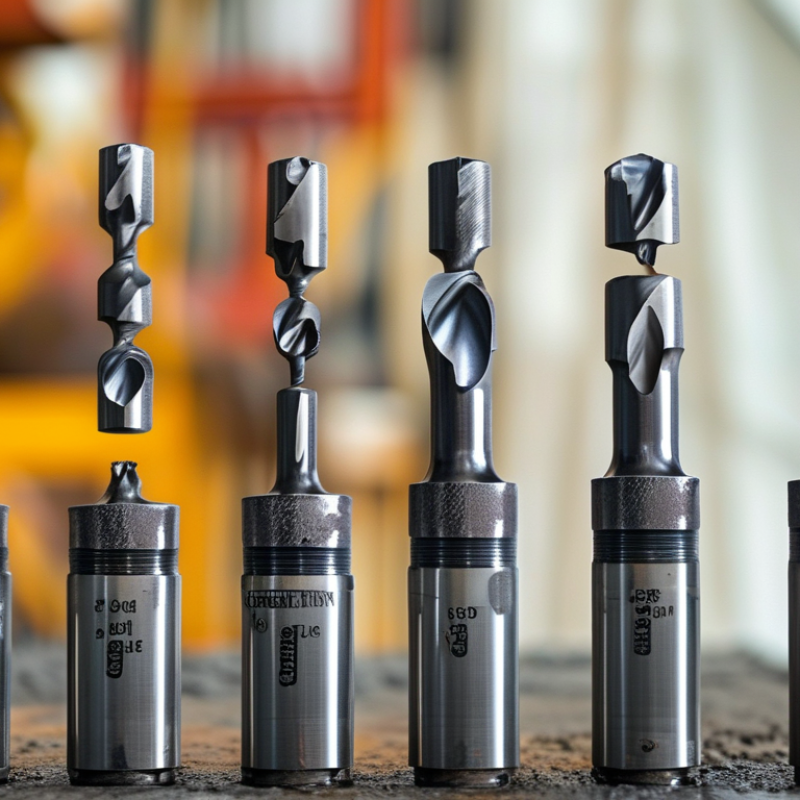
When it comes to drilling projects, roller reamers play a crucial role in enhancing efficiency. These tools are specifically designed to maintain wellbore stability while improving the overall drilling process. Their unique design features rolling elements that help in reshaping the borehole, allowing for smoother casing installation. The functionality of roller reamers lies in their ability to minimize the risk of collar hangs, providing a better pathway for the drill string.
Choosing the right roller reamer requires understanding these functionalities. Factors such as rock formation type and borehole size significantly influence the tool's effectiveness. An incorrectly selected roller reamer can lead to issues like excessive wear and tear or inadequate performance. Users often overlook the importance of matching the reamer to specific project conditions. Thorough research and consultation with experienced professionals can mitigate such risks.
It's also vital to consider maintenance procedures for roller reamers. Regular checks can prevent potential failures during drilling operations. While many assume these tools will always perform flawlessly, neglect can lead to complications. Assessing performance and making adjustments based on real-time feedback can enhance reliability. Therefore, understanding how to use roller reamers effectively is essential for any drilling project.
How to Choose the Best Roller Reamers for Your Projects?
| Feature |
Description |
Considerations |
| Material |
Various materials from steel to carbide are used, depending on the application. |
Choose material based on wear resistance and reaming conditions. |
| Diameters |
Available in various sizes to accommodate different bore diameters. |
Select the size that matches your specific project requirements. |
| Blade Design |
Different blade geometries are optimized for specific materials and drilling conditions. |
Evaluate the type of material being drilled for optimal blade design. |
| Length |
Length of the reamer affects reach and stability while drilling. |
Select a length based on depth of drilling and the equipment used. |
| Weight |
Weight can affect handling and the type of drilling rig needed. |
Consider the rig’s capacity and ease of handling. |
Identifying Key Factors to Consider When Selecting Roller Reamers
When selecting roller reamers for your projects, it's essential to consider multiple factors. The geological challenges your team may face should be assessed first. Different formations require distinct tools. For instance, soft formations necessitate reamers designed for stability, while harder formations require robust, durable options. Industry reports suggest that using the appropriate roller reamer can increase drilling efficiency by 30% in challenging conditions.
Material choice is another critical factor. High-quality materials enhance performance and longevity. A study indicated that reamers made from advanced alloys performed better, lasting 25% longer than standard models. However, it's vital to ensure compatibility with your existing drilling equipment. Misalignment or inappropriate size could lead to inefficiencies or even project delays.
Additionally, the specification of the roller reamer plays a crucial role. The geometry affects how efficiently it can operate in various conditions. Research has shown that reamer designs with optimized blade placement can reduce torque and improve fluid flow. However, the perfect design for one project may not translate to another. Constant evaluation and adjustments may be necessary based on changing conditions.
Comparing Different Types of Roller Reamers for Specific Applications
When selecting roller reamers, consider their specific applications carefully. Different types serve unique purposes. For example, there are both conventional and alternative designs. Conventional roller reamers work well in soft formations. In contrast, alternative reamers excel in hard rock conditions.
One key aspect is the material used in construction. Harder materials resist wear better. This is crucial in demanding environments where drilling efficiency matters. A robust roller reamer can reduce downtime. Moreover, check the diameter and the number of blades. More blades often lead to smoother reaming, but they may also create more drag.
Tips for choosing the right roller reamer: always evaluate the geological conditions. Match the reamer type to the formation type for optimal results. Keep an eye on the budget, as more specialized reamers may cost more. However, a low-quality choice can lead to increased costs later on. Consider your team's experience. Less familiarity may require investing in more user-friendly options. The right choice enhances productivity and could even lead to better project outcomes.
Evaluating Material Quality and Durability in Roller Reamer Selection
When selecting roller reamers, material quality and durability are crucial factors to consider. The choice of materials often affects not only performance but also the lifespan of the tool. Industry reports suggest that tungsten carbide is a preferred choice for its hardness and resistance to wear. Tools made from high-quality materials can outperform others by up to 25% in terms of durability.
Different applications may require varying levels of toughness. For example, projects involving hard rock formations demand reamers designed to withstand extreme conditions. A study revealed that roller reamers with hardened steel bodies last up to 40% longer in such environments. However, not all steel types are created equal, and subpar materials can lead to premature wear and project delays.
Evaluating the durability of a roller reamer also involves scrutinizing the manufacturing processes. Factors like heat treatment and surface finishing play significant roles in enhancing tool performance. Inconsistent quality control can lead to defects, affecting the tool's reliability. It's essential to analyze vendor reports and customer feedback, as they often provide insights into actual performance. This due diligence helps ensure that your choice aligns with project requirements and avoids unnecessary complications down the line.
Material Quality and Durability Evaluation for Roller Reamers
This chart represents the durability ratings of various materials used in roller reamers. Steel and carbide show high durability, while ceramic exhibits the lowest durability in this selection.
Best Practices for Maintaining and Using Roller Reamers Efficiently
When using roller reamers, maintenance is crucial for efficiency. Regularly inspect these tools for wear and damage. Studies indicate that proper upkeep can improve tool life by up to 40%. It's essential to clean them after each use. Accumulated debris can compromise performance. Ensure that lubricant is applied correctly. Over-lubrication or using the wrong type can lead to failures.
Proper usage techniques can greatly enhance effectiveness. Maintain optimal rotation speeds recommended for the specific reamer type. This helps prevent overheating. Pay attention to the pressure applied during operation. Excessive force can cause premature wear, which many users neglect. Some reports suggest that nearly 30% of operational issues stem from user error. Familiarizing oneself with inspection protocols and operational limits can mitigate potential setbacks. Regular training and updated practices can empower users, making the process smoother.