Why Choose Pipe Elevators for Your Lifting Needs?
In the realm of construction and industrial lifting, choosing the right equipment is crucial. Pipe Elevators stand out for their efficiency and reliability. These specialized tools simplify lifting operations, especially when handling heavy pipes. They provide a secure grip, ensuring safety during lifting tasks.
Selecting Pipe Elevators can significantly enhance productivity. They are designed to accommodate various pipe sizes and weights. This versatility offers convenience for different projects. Additionally, their robust construction minimizes the risks related to equipment failure. Proper training in using these elevating devices is essential, though. Mistakes can lead to accidents, stressing the importance of cautious operation.
While Pipe Elevators are incredibly useful, it's important to recognize their limitations. Factors like environment and load type can affect performance. Continuous assessment and adjustment are necessary to maximize their potential. Engaging with knowledgeable suppliers or manufacturers can provide valuable insights. A well-informed choice leads to safer, effective lifting solutions.
Understanding Pipe Elevators: A Key Component in Lifting Operations
Pipe elevators play a crucial role in lifting operations. They are specifically designed to handle the unique challenges associated with pipes. These devices ensure
safety and efficiency in heavy lifting tasks. With the right components, operators can lift, transport, and position pipes effortlessly.
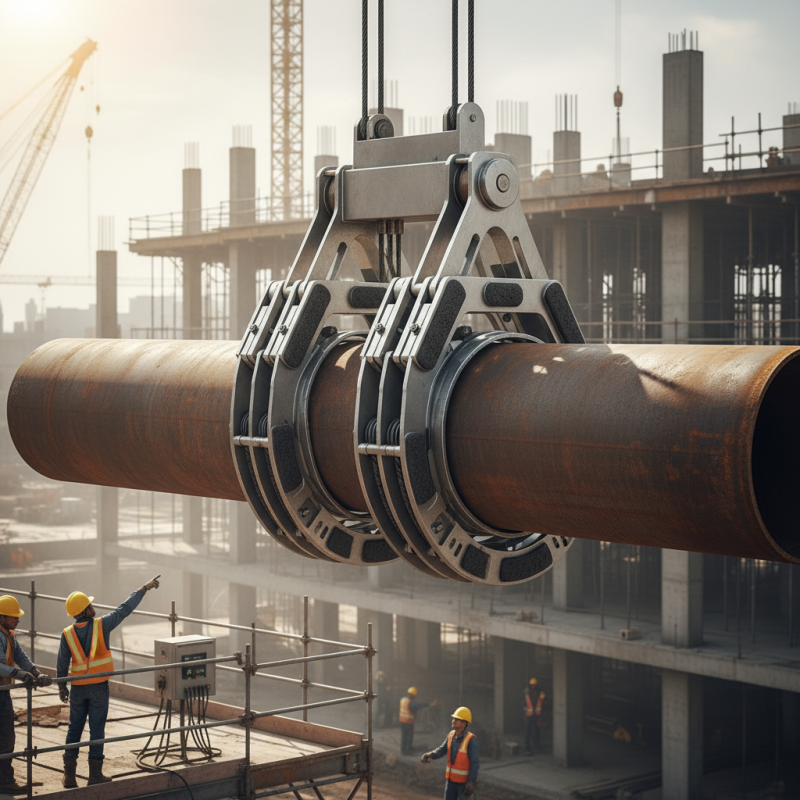
Constructed from durable materials, pipe elevators provide both strength and reliability. Their design allows for easy attachment to cranes or lifting equipment.
This versatility makes them valuable in various industries, including construction and manufacturing. Operating these tools requires thorough understanding and training. Mistakes can lead to injuries or damage.
Thus, safety protocols must never be overlooked.
Proper maintenance is also vital for optimal performance. Routine inspections help identify wear and tear. Neglecting repair can result in unexpected failures.
Operators must be attentive to these details. Choosing the right equipment means considering not only capacity but compatibility with existing systems. Each lifting scenario is unique, emphasizing the need for thoughtful planning.
Advantages of Using Pipe Elevators for Safe and Efficient Lifting
Pipe elevators are essential tools for safely lifting heavy pipes in various industries. They offer significant advantages that improve operational efficiency and worker safety. According to industry reports, accidents related to lifting operations can lead to a staggering 36% of all construction injuries. Using pipe elevators reduces such risks by providing stable support. Their design allows for easier maneuverability, ensuring that heavy pipes can be lifted without strain, minimizing potential injuries.
Effective operation of pipe elevators requires proper training and familiarization with equipment. It's crucial to regularly inspect the elevators for wear and tear. Implementing a rigorous maintenance schedule can significantly extend the lifespan of these tools. Additionally, keeping the lifting area free of debris can prevent accidents during operation. According to the Bureau of Labor Statistics, proper safety protocols can decrease workplace injuries by up to 40%.
When implementing pipe elevators, consider weight limits and load distribution carefully. It's vital to adhere to all safety guidelines outlined in the equipment specifications. Always ensure workers wear appropriate personal protective equipment. This can include hard hats, gloves, and steel-toed boots. Thus, promoting a culture of safety enhances both productivity and morale on site.
Advantages of Using Pipe Elevators for Safe and Efficient Lifting
Types of Pipe Elevators: Choosing the Right Model for Your Needs
When selecting a pipe elevator, understanding the different types available is crucial. Pipe elevators come in various designs tailored for specific lifting tasks. Common types include clamp-on, swing-arm, and hydraulic elevators. Each type is engineered for unique pipe sizes and weights, making it vital to choose wisely.
Data from industry reports indicate that improperly chosen elevators can lead to 30% more operational downtimes. Select an elevator based on the maximum weight capacity and the pipe diameter you frequently handle. Accurate specifications enhance safety and efficiency during lifts.
**Tip:** Ensure regular maintenance checks. Equipment can wear down, compromising safety. Aim for monthly inspections, especially if the elevators are used extensively.
If your operations involve heavy-duty lifting, consider a hydraulic model. These elevators handle larger capacities and provide smooth, controlled lifts. However, training your team is essential. Inadequate training can lead to mishandling, resulting in potential accidents. Partner with equipment experts for training sessions tailored to your team’s needs.
Why Choose Pipe Elevators for Your Lifting Needs? - Types of Pipe Elevators: Choosing the Right Model for Your Needs
| Type of Pipe Elevator |
Weight Capacity (lbs) |
Height Range (ft) |
Best Use Case |
Material |
| Manual Pipe Elevator |
500 |
5 - 12 |
Construction Projects |
Steel |
| Hydraulic Pipe Elevator |
1000 |
6 - 15 |
Oil & Gas Industry |
Aluminum |
| Electric Pipe Elevator |
2000 |
8 - 20 |
Manufacturing Plants |
High-Strength Steel |
| Portable Pipe Elevator |
750 |
4 - 10 |
Railway Maintenance |
Composite Materials |
Maintenance and Safety Practices for Pipe Elevators
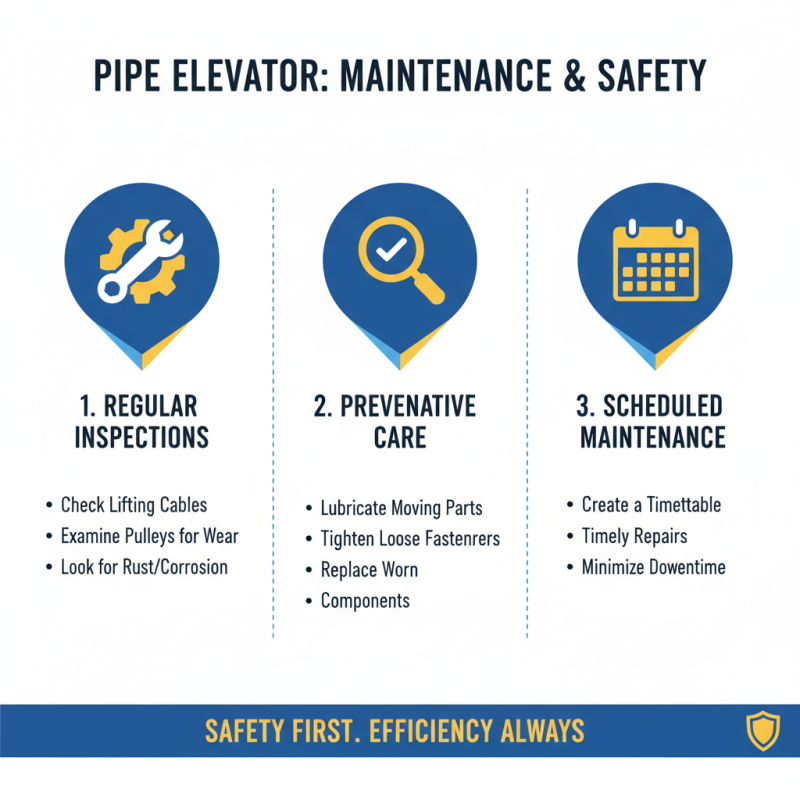
When utilizing pipe elevators, maintenance practices are crucial for ensuring safety and efficiency. Regular inspections can prevent potential mishaps. Look for wear and tear, especially on the lifting cables and pulleys. Check for any signs of rust or corrosion, as these can compromise the elevator's integrity. Creating a maintenance schedule is essential. It allows for timely repairs and minimizes downtime.
Safety practices play a vital role in the effective use of pipe elevators. Operators must be trained adequately to handle equipment. Clear communication among team members is key during lifting operations. Use appropriate personal protective equipment (PPE) to enhance safety. It's important to have a designated area for pipe handling, limiting distractions. Regular safety drills can also prepare staff for emergency situations.
Consider the environment where the elevators operate. Dust, moisture, and extreme temperatures can impact performance. Adjust maintenance practices accordingly to mitigate these factors. Reflect on past experiences and be open to feedback. Continuous improvement in procedures is necessary for achieving optimal safety and reliability in pipe elevator operations.
Applications of Pipe Elevators in Various Industries
In various industries, pipe elevators play a crucial role in lifting heavy loads with stability and safety. For example, in the oil and gas sector, these devices are essential for moving drilling pipes. Reports indicate that the global oil and gas market is projected to reach $6 trillion by 2025. With substantial demands, companies require reliable tools to handle heavy pipe loads efficiently.
In construction, steel and metal industries utilize pipe elevators to streamline operations. These environments often deal with large, cumbersome materials. According to a recent industry survey, 70% of construction firms have reported improved productivity by incorporating specialized lifting equipment. However, improper usage can lead to serious accidents. Training and adherence to safety standards remain critical.
The chemical industry also benefits significantly from pipe elevators. Moving pipes in hazardous environments demands equipment that ensures safety and efficiency. A 2023 report highlighted that 40% of chemical manufacturers consider lifting equipment a top priority for safety enhancements. This emphasizes the need for keeping up with safety protocols. Balancing efficiency and safety is a persistent challenge that requires constant attention.