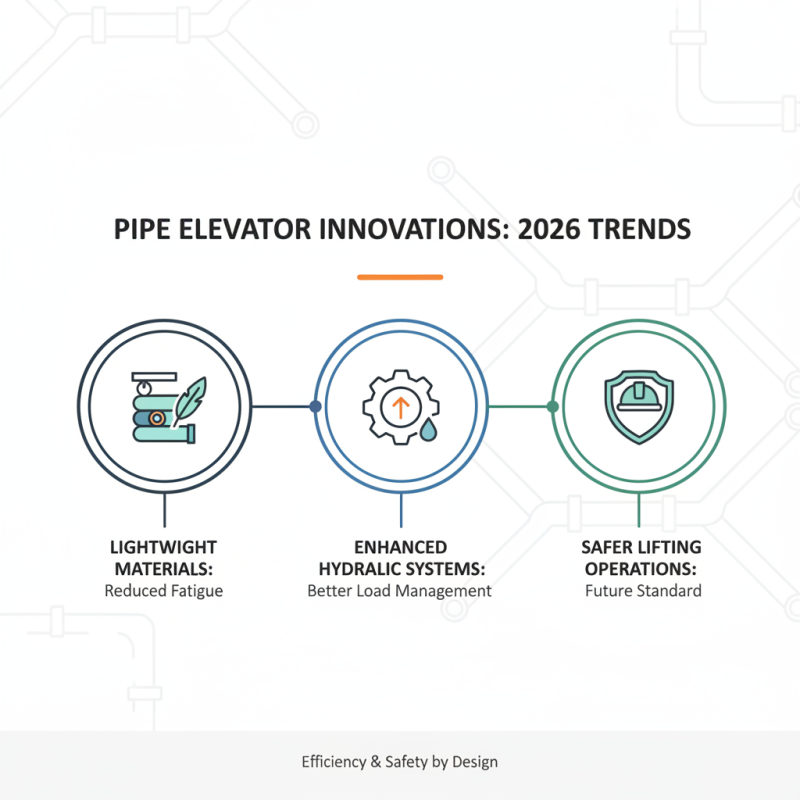
Top Pipe Elevators in 2026 Understanding Their Importance and Features
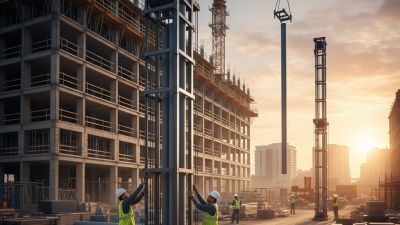
Pipe elevators are essential tools in the construction and oil industries. They are vital for lifting and lowering pipes safely. Understanding their importance helps improve operational efficiency.
In 2026, advancements in pipe elevator technology will redefine their features. Enhanced safety mechanisms and ergonomics are critical. Users need reliable equipment to prevent accidents. The industry must focus on innovation to meet growing demands.
However, challenges remain. Not all pipe elevators are created equal. Users must be cautious in their choices. Poorly designed models may lead to serious issues. It’s essential to reflect on the importance of quality and reliability in pipe elevators.
Top Pipe Elevators: Overview of Their Design and Functionality
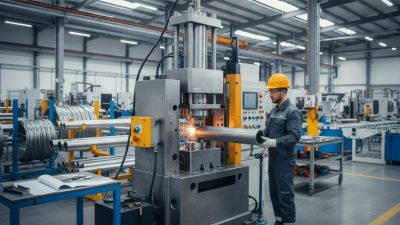
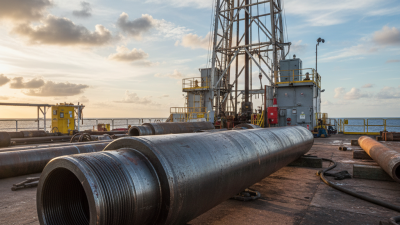
Pipe elevators play a crucial role in the oil and gas industry, facilitating the movement of heavy pipes during construction. Their design focuses on efficiency and safety. Modern pipe elevators often utilize advanced materials that enhance durability while minimizing weight. For instance, materials like high-strength aluminum and specialized steels are common.
In recent reports, the market for pipe handling equipment has experienced significant growth. The demand is projected to rise by 5% annually through 2026. This growth reflects the increasing complexity of pipeline projects worldwide. Safety features, such as anti-drop mechanisms and load sensors, have become standard to protect workers. However, not all pipe elevators are designed equally. Some models lack the necessary safety certifications.
Consider the functionality of pipe elevators. A well-designed elevator should allow for smooth operation with various pipe sizes. Poor designs lead to inefficiencies. Reportedly, a significant number of accidents stem from equipment failure. It highlights the importance of choosing the right tools. Companies should ensure regular maintenance and rigorous testing to reduce risks.
Key Features of Modern Pipe Elevators in 2026
In 2026, modern pipe elevators play a crucial role in the construction and oil industries. Their design prioritizes safety and efficiency. Advanced materials reduce weight while maintaining strength. Industry reports indicate that these elevators can lift pipes of varying shapes and sizes with ease. Some models offer a load capacity exceeding 50 tons, showcasing their robust functionality.
Key features include enhanced control systems. These allow operators to manage loads precisely. Increased automation reduces human error. According to a recent survey, 70% of users reported improved operational efficiency. However, this reliance on technology may raise concerns about potential malfunctions. Maintenance practices need to evolve accordingly.
Ergonomic designs are also important. These ensure user comfort and reduce fatigue during operation. Many new elevators incorporate adjustable frames for different pipe sizes. Some may even struggle with larger diameters. Operators must remain vigilant about these limitations. Regular training helps mitigate risks. The balance between advanced features and practical operation is essential for success in this evolving industry.
Importance of Pipe Elevators in Industrial Applications
Pipe elevators are crucial in various industrial applications. They aid in the safe and efficient handling of heavy pipes. Without them, workers face significant risks. The right equipment can improve workflow and protect employees.
When selecting a pipe elevator, consider its load capacity. Proper capacity ensures safety during operations. An elevator that can’t support the weight may lead to accidents. Also, examine the features like adjustable height. This flexibility allows for better handling of different pipe sizes.
Tips for using pipe elevators effectively: regularly inspect the equipment for wear and tear. Small damages can escalate to major failures. Always train staff on proper usage and safety protocols. Misunderstandings can lead to hazardous situations. Prioritize safety in every step of operation.
Safety Standards and Regulations for Pipe Elevators
Pipe elevators are vital in many industrial operations, especially in handling heavy materials. Their proper function ensures safety and efficiency in the workplace. Understanding safety standards for these machines is crucial for operators and companies alike. They must comply with various regulations to avoid accidents.
Safety standards often vary by region but generally include requirements for inspections and maintenance. Regular checks ensure that the elevators function correctly. Operators must be trained to detect potential issues. Sometimes, equipment might appear operational but still pose risks. Overlooking these details can lead to severe consequences.
Regulations may mandate specific safety features, such as overload protection and emergency shut-offs. These mechanisms are essential, yet many users neglect to familiarize themselves with them fully. Operators should always prioritize safety protocols. Clear communication among team members can enhance workplace safety. A culture of safety awareness can significantly reduce risks, making it an essential focus for manufacturers and workers.