Leave Your Message

CONTACT

Leave Your Message

Top 10 Drilling Equipment You Need to Know for Successful Operations?

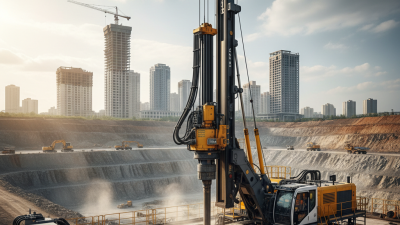
In the drilling industry, having the right Drilling Equipment is crucial for success. Each piece of equipment plays a vital role in ensuring efficient operations. From the initial planning stages to the final execution, the right tools can streamline processes.

Many companies overlook the significance of choosing the appropriate equipment. This oversight can lead to delays and increased costs. It's essential to understand the specific requirements for each drilling operation. For instance, some projects may require mobile drilling rigs, while others need robust rotary systems.

Investing in quality Drilling Equipment can enhance productivity. However, it is not just about choosing high-end tools. Operators must also consider the compatibility of their equipment with existing systems. Balancing cost and quality often requires careful thought. Mistakes in this area can be costly. Take the time to assess each piece of equipment critically. A well-informed decision can lead to more successful drilling operations.
Top 10 Drilling Equipment You Need to Know for Successful Operations?

Essential Types of Drilling Equipment for Various Applications

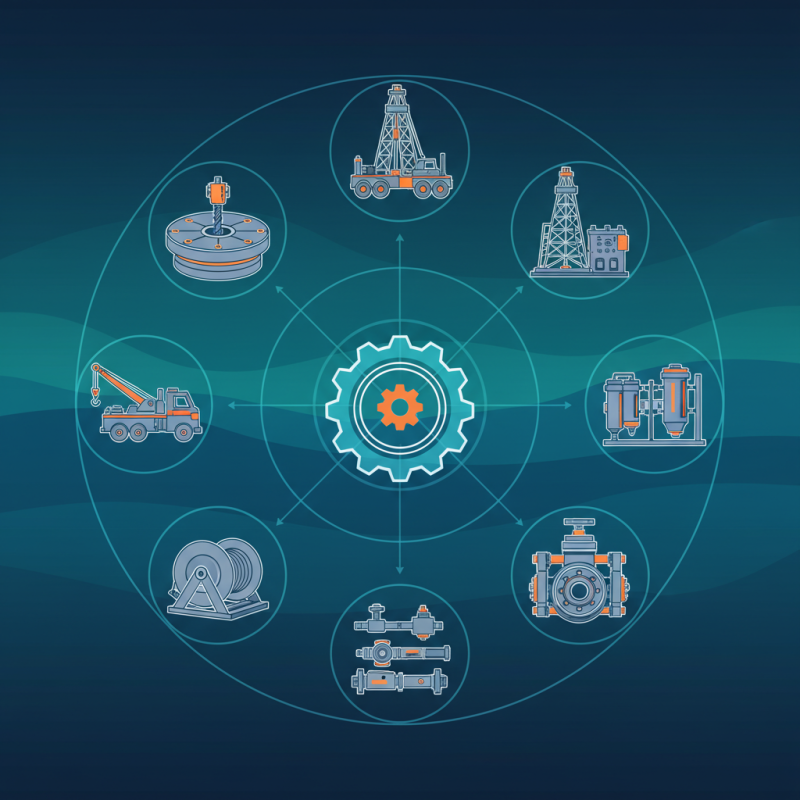
Drilling operations require a diverse range of equipment tailored for specific needs. The choice often hinges on the project type and geology. For instance, rotary drilling equipment is essential for oil and gas exploration. According to the American Petroleum Institute, around 50% of drilling projects utilize rotary bits for their efficiency in penetrating hard rock.

Another critical type is the percussion drilling equipment. This is particularly effective in mining applications. A recent report by the International Council on Mining and Metals highlighted that percussion methods can increase drilling speed by up to 60%. This highlights the need to assess the optimal drilling method for each project scenario.

However, not all operations achieve expected outcomes. Equipment failure can lead to significant delays and increased costs. Understanding each equipment's capabilities and limitations is crucial. Wasteful practices often occur when teams underestimate the geological challenges. Investing time in proper training and selecting suitable tools can mitigate these risks. This approach ensures more successful drilling operations overall.

Key Features to Consider When Selecting Drilling Tools

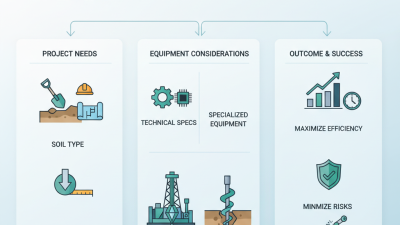
When selecting drilling tools, several features significantly influence operational success. Understanding these features can refine your tool selection process. For instance, drill bit material plays a crucial role. Harder materials can prolong tool life and enhance performance, especially in tough rock formations. Research shows that using high-quality carbide bits can improve drilling efficiency by up to 20%.

Another important aspect is the bit design. Different formations require different designs for optimal penetration. The right geometry can lead to less wear and tear, which is essential for reducing downtime. Reports indicate that poorly designed bits can increase costs by roughly 15% due to frequent replacements. Analyzing the specific geological conditions is vital to select the most effective design.

Weight on bit (WOB) also needs serious consideration. It impacts penetration rates and overall drilling efficiency. About 30% of operators do not optimize WOB, leading to subpar performance. Moreover, drilling fluid properties influence the cooling and lubrication of tools. Maintaining the right fluid viscosity can result in a noticeable difference in the drilling process. Addressing these aspects can help in making informed decisions for enhancing drilling operations.

Top 10 Drilling Equipment - Key Features Comparison

Maintenance Practices for Enhancing Drilling Equipment Longevity

Maintaining drilling equipment is crucial for efficiency and longevity. Regular checks can prevent costly downtime. Ensure you clean drill bits and components after use. This simple act can significantly extend their lifespan. Keep surfaces free of dirt and debris. Dust can create wear over time.

Lubrication plays an essential role. Use the right lubricants and apply them as needed. Insufficient lubrication might lead to increased friction and damage. Make it a habit to check oil levels frequently. However, be aware of over-lubricating; it can cause other issues.

Inspecting equipment regularly is necessary. Look for signs of wear and tear. Small cracks or rust can escalate into bigger problems. Don’t ignore these details. They require timely attention. Tracking performance metrics can help you identify patterns. This might reveal areas needing improvement. Reflect on these practices to drive operational success.

Top 10 Drilling Equipment You Need to Know for Successful Operations

Equipment Name Purpose Key Features Maintenance Tips
Rotary Drill Boreholes for oil and gas extraction. High torque, mud circulation system. Regular lubrication and inspection of the drill bit.
Mud Pumps Circulate drilling fluid. High pressure, robust design. Check fluid levels and service intervals.
Drill Bits Cut through rock formations. Different shapes for specific applications. Replace worn bits promptly to maintain efficiency.
Casing Equipment Stabilize drilled holes. Variety of sizes and materials. Inspect for corrosion and integrity.
BOP (Blowout Preventer) Prevent blowouts. Hydraulic and mechanical systems. Regular testing and maintenance checks.
Drill String Transmit drilling power. Consists of various components like pipes and collars. Avoid excessive bending and twisting.
Air Compressors Provide the necessary air pressure. High efficiency and portability. Check for air leaks and perform oil changes.
Hydraulic Systems Control drilling operations. Consists of pumps, valves, and actuators. Inspect hoses and connections regularly.
Well Control Equipment Prevent uncontrolled flow. Includes various safety valves and gauges. Conduct regular drills and maintenance checks.
Data Logging Tools Collect and analyze drilling data. Real-time data transmission capabilities. Ensure software is updated and calibrated.

Safety Considerations in Drilling Operations and Equipment Use

Drilling operations require a strict focus on safety. Equipment failure can lead to serious accidents. According to the International Association of Drilling Contractors, nearly 60% of operational incidents stem from human error or equipment misuse. Proper training can mitigate these issues significantly.

Regular maintenance is crucial. Equipment should be inspected daily. This includes checking seals, valves, and pumps. Inadequate inspection can cause leaks and even blowouts. The Center for Offshore Safety reported that 30% of incidents are attributed to mechanical failures. Emphasizing a routine maintenance schedule can prevent many of these failures.

Personal protective equipment (PPE) must be a priority. Helmets, gloves, and safety goggles are essential. Unfortunately, some workers neglect this gear, thinking it is unnecessary. This mindset can have devastating results. Studies show that proper use of PPE reduces injury rates by up to 40%. Safety culture is critical; ongoing training and reminders can help maintain awareness.

Innovative Technologies Shaping the Future of Drilling Equipment

Top 10 Drilling Equipment You Need to Know for Successful Operations?

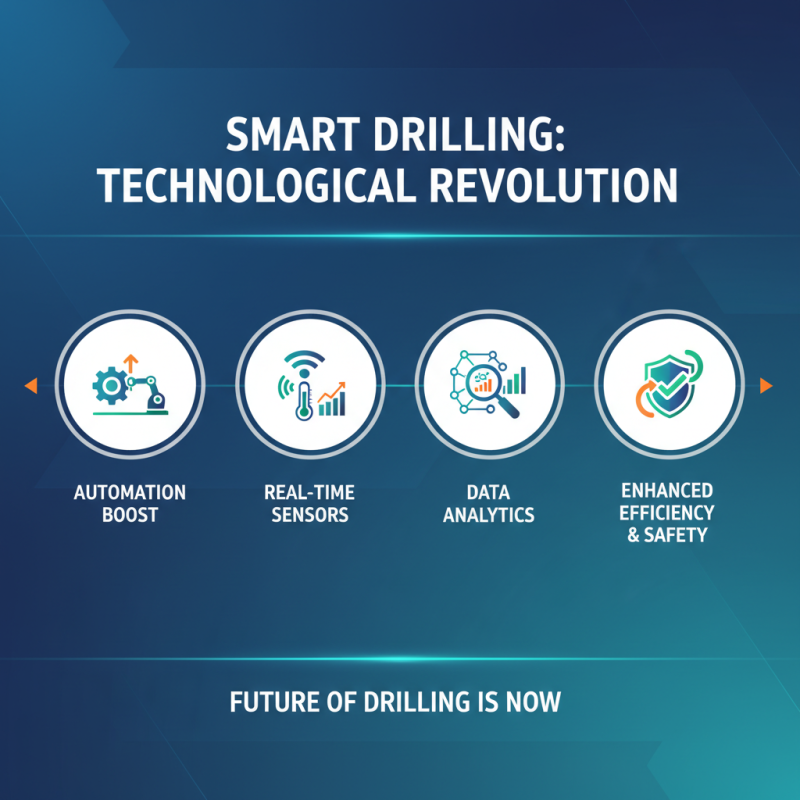
Innovative technologies are transforming drilling equipment. The industry is witnessing a surge in automation. Smart sensors monitor performance in real-time. Data analytics enhance decision-making. These advancements increase efficiency and safety.

New materials are also playing a vital role. Lightweight composites reduce equipment wear and tear. Enhanced durability is crucial in harsh environments. 3D printing offers rapid prototyping options. However, the integration of these technologies can be challenging.

Maintaining high levels of precision remains a struggle. Human oversight is still needed. Drillers must adapt to new systems and processes. Training is essential for successful implementation. The future may hold promising solutions, but it also demands reflection on current practices. Balancing innovation with reliability will be key to progress.