Leave Your Message

CONTACT

Leave Your Message

China Top 10 Blowout Well Suppliers for Global Buyers

China has become a significant manufacturing base for well-control equipment and drilling safety systems. Global buyers increasingly examine Chinese suppliers for pricing, production capacity, and export experience. This guide introduces China’s top 10 Blowout Well suppliers for international procurement teams.

The selection considers manufacturing capability, product range, quality systems, technical support, and overseas delivery performance. Important products may include blowout preventers, control systems, annular preventers, ram preventers, choke manifolds, and related well-control equipment. Some suppliers serve oilfields, geothermal projects, and other demanding drilling environments.

Details matter. Buyers should review pressure ratings, material certificates, inspection records, spare-part availability, and commissioning support. A reliable supplier should explain testing procedures clearly, rather than relying on attractive catalog images. Factory audits can reveal welding quality, machining standards, storage conditions, and traceability practices. These checks often matter more than a low quotation.

Experience still varies between companies. A supplier with strong domestic references may have limited experience with international documentation or local service networks. That weakness should not be ignored. Product certifications, engineering communication, lead times, warranty terms, and after-sales response require direct verification.

No single ranking fits every project. A contractor drilling in a harsh offshore environment may need different support from a geothermal operator. This overview offers a practical starting point, not a substitute for technical due diligence. Before signing a purchase order, buyers should compare specifications with project requirements and request independent inspection when appropriate. Safety comes first. Price comes later.
China Top 10 Blowout Well Suppliers for Global Buyers

What Blowout Wells Are and Why Supplier Selection Matters

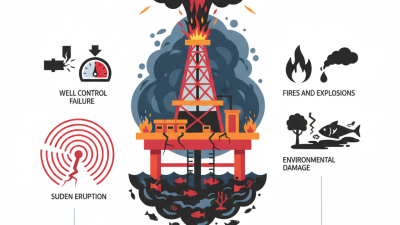
A blowout is not a well category. It is an uncontrolled flow of formation fluids after primary and secondary well barriers fail. Pressure can rise rapidly, carrying gas, oil, mud, or water toward the surface. That distinction matters. The SINTEF Offshore Blowout Database remains a major industry reference for historical frequency and consequence analysis. Its long-term records show why even low-frequency events require disciplined barrier management.

Supplier selection therefore affects more than equipment price. Buyers should examine pressure ratings, material traceability, maintenance records, factory acceptance tests, and documented well-control experience. IOGP’s Safety Performance Indicators report uses exposure-adjusted measures, such as hours worked, rather than simple incident totals. This approach helps buyers compare safety performance more fairly across contractors and regions. A supplier with polished documents may still lack strong field execution.

In practical audits, request test certificates, inspection intervals, failure investigations, and emergency response drills. Check whether technicians understand local operating conditions. Independent verification is valuable. Not every supplier presents weak data honestly. That is the uncomfortable part. Procurement teams can also overvalue low bids and underestimate training gaps, spare-part delays, or communication failures. A reliable supplier should explain these risks clearly, provide evidence, and accept technical questions before contract signing.
How China’s Top 10 Blowout Well Suppliers Are Evaluated

Evaluating China’s top 10 blowout well suppliers requires more than comparing catalog prices. Buyers should examine pressure ratings, manufacturing controls, material certificates, and testing records. A serious supplier can explain how each critical component is inspected, assembled, and tested before shipment. Evidence matters.

Independent quality audits provide useful confidence. So do traceable production records. Suppliers should show relevant certifications, calibrated test equipment, and documented nonconformance procedures. Their engineering teams should understand pressure control, temperature changes, corrosion risks, and site-specific operating conditions. Experience is visible in the details, such as clear drawings, practical installation guidance, and realistic maintenance intervals.

Field support also affects supplier reliability. Buyers should assess response times, spare-part planning, training, and communication during urgent technical issues. References from comparable drilling environments can reveal weaknesses that brochures omit. A factory visit may expose differences in housekeeping, inspection discipline, and storage practices. These observations are not perfect, but they are valuable.

Price deserves careful review. A low quotation may exclude testing, technical support, packaging, or replacement parts. A higher price is not automatically safer either. Buyers should compare total ownership cost, delivery consistency, warranty terms, and change-control procedures. Some suppliers may provide excellent equipment but struggle with documentation. Others may communicate well yet lack deep field experience. A balanced evaluation should record both strengths and concerns before placing an order.

Product Categories and Technologies Offered by Leading Suppliers

China Top 10 Blowout Well Suppliers for Global Buyers

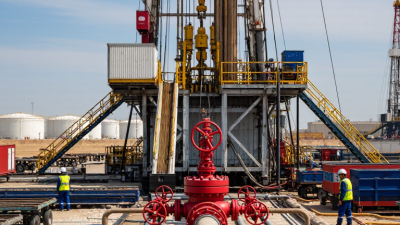
Leading Chinese blowout well suppliers usually cover several product categories. These include surface and subsea blowout preventers, annular preventers, ram preventers, choke and kill manifolds, diverter systems, control units, and accumulator packages. Many suppliers also provide pressure testing, spare parts, field servicing, and refurbishment. API Specification 16A and ISO 13533 remain important references for equipment design and manufacturing quality.

Technology choices are becoming more specialized. Suppliers now offer shear ram systems, redundant hydraulic controls, real-time pressure monitoring, and automated test interfaces. Some support managed pressure drilling and underbalanced drilling applications. The IEA Oil 2024 report projects global oil demand to increase by about 3.2 million barrels per day from 2023 to 2030. That growth may require equipment for deeper, hotter, and more complex wells. Standard equipment is not always enough.

Procurement teams should examine certification records, material traceability, fatigue calculations, and factory acceptance test data. A clear response-time curve matters when pressure changes quickly. So does local service coverage. IOGP safety performance reports repeatedly emphasize process control, competence, and barrier management across oil and gas operations. More sensors do not automatically create safer wells. A catalogue can look complete while hiding weak testing evidence. Buyers should ask for operating limits, maintenance intervals, and documented field experience before comparing prices.

China Top 10 Blowout Well Suppliers for Global Buyers - Product Categories and Technologies Offered by Leading Suppliers
Supplier Profile Primary Product Categories Typical Pressure Classes Key Technologies Offered Applicable Standards Well and Operating Environments Additional Services Export Suitability
Supplier Profile 01 Annular BOPs Ram BOPs Choke manifolds 3,000 to 15,000 psi working pressure; API 6A and API 16A equipment configurations. Hydraulic annular sealing, pipe ram and blind-shear ram systems, remote hydraulic control, pressure testing. API Spec 16A, API Spec 16C, API Spec 16D, API Spec 6A, ISO 13533. Land rigs, workover units, conventional drilling and high-pressure well-control operations. System integration, factory acceptance testing, spare parts, field commissioning and maintenance support. Suitable for containerized shipment and international project documentation.
Supplier Profile 02 Surface BOP stacks Accumulator units Control panels Typically available in 2,000, 3,000, 5,000, 10,000 and 15,000 psi classes. Hydraulic accumulator control, fail-safe valve actuation, programmable control panels and emergency shutdown functions. API Spec 16A, API Spec 16D, API RP 53 and relevant pressure-vessel requirements. Onshore drilling, desert operations, modular rigs and high-temperature environments. Engineering drawings, operator training, installation supervision, inspection and overhaul services. Supports multilingual manuals, export packing and project-based technical submittals.
Supplier Profile 03 Subsea BOPs LMRPs Marine riser systems Commonly configured for 10,000 and 15,000 psi subsea applications. Lower marine riser package technology, subsea control pods, multiplex electro-hydraulic control and autoshear functions. API Spec 16A, API Spec 16D, API Spec 17D, API RP 53 and offshore classification requirements. Deepwater and ultra-deepwater drilling, floating drilling units and offshore construction vessels. Subsea integration, FAT and SIT support, control-pod testing, refurbishment and offshore service assistance. Designed for offshore logistics, lifting plans and international marine transportation.
Supplier Profile 04 Choke and kill manifolds Choke valves Kill lines Common working-pressure ranges include 5,000, 10,000 and 15,000 psi. Fixed and adjustable chokes, remote choke control, erosion-resistant flow paths and redundant isolation valves. API Spec 16C, API Spec 6A, API RP 53 and ISO 10423-related requirements. Land and offshore well-control systems, managed-pressure drilling and well-killing operations. Flow testing, pressure testing, valve maintenance, replacement parts and manifold reconfiguration. Modular skid designs support international transport and rapid field installation.
Supplier Profile 05 Wellhead systems Casing heads Tubing heads API 6A pressure classes from 2,000 to 20,000 psi, depending on configuration. Casing suspension, hydraulic or mechanical seals, compact wellhead designs and metal-to-metal sealing options. API Spec 6A, ISO 10423, NACE MR0175/ISO 15156 where sour-service conditions apply. Oil and gas wells, geothermal wells, high-pressure formations and sour-service projects. Wellhead design, material selection, pressure testing, installation tools and maintenance kits. Suitable for EPC projects requiring traceability, inspection records and material certificates.
Supplier Profile 06 Workover BOPs Snubbing BOPs Stripper systems Generally supplied in 3,000 to 10,000 psi working-pressure configurations. Ram-type well-control, hydraulic stripping rams, annular packers and compact multi-ram stack arrangements. API Spec 16A, API RP 53, API Spec 16D and applicable regional lifting and pressure regulations. Workover, well servicing, completion, intervention and snubbing operations. Rental preparation, onsite assembly, pressure testing, recertification and emergency replacement support. Compact equipment options are suitable for transport between multiple international well sites.
Supplier Profile 07 Rotating heads Diverter systems Pressure-control equipment Pressure ratings vary by application; diverter systems are selected according to bore size and expected flow conditions. Rotating flow control, elastomeric sealing, high-temperature sealing compounds and automated diverter actuation. API Spec 16A, API Spec 16RCD, API RP 53 and project-specific pressure-control specifications. Managed-pressure drilling, underbalanced drilling, shallow-gas risk zones and large-bore drilling. Application engineering, elastomer selection, inspection, seal replacement and operational training. Well suited to specialized drilling projects requiring customized technical configurations.
Supplier Profile 08 BOP test equipment Test plugs Test stumps Test equipment commonly matched to 5,000, 10,000 and 15,000 psi BOP systems. High-pressure hydrostatic testing, test-plug isolation, pressure recording and computerized test reporting. API Spec 16A, API RP 53, API Spec 6A and applicable inspection and test-plan requirements. Drilling-rig acceptance testing, maintenance yards, wellhead testing and commissioning activities. Calibration, test documentation, pressure charts, inspection services and equipment rental. Portable and skid-mounted designs simplify export, mobilization and site deployment.
Supplier Profile 09 BOP spare parts Ram blocks Sealing elements Replacement components are matched to the original equipment pressure class and bore specification. Interchangeable ram inserts, wear-resistant materials, sour-service elastomers and dimensional reverse engineering. API Spec 16A, API Spec 6A, NACE MR0175/ISO 15156 and customer-approved inspection procedures. Drilling, workover, completion, repair workshops and equipment refurbishment programs. Inventory management, reverse engineering, repair kits, technical identification and rapid dispatch. Appropriate for global maintenance programs requiring traceability and consolidated packaging.
Supplier Profile 10 Integrated well-control packages BOP systems Manifolds Integrated packages can be engineered from 3,000 psi surface systems to 15,000 psi high-pressure systems. Digital condition monitoring, remote operation, redundant hydraulic control, automated testing and system diagnostics. API Spec 16A, API Spec 16C, API Spec 16D, API RP 53 and ISO-based quality-management procedures. Land, offshore, high-pressure/high-temperature and multi-well drilling campaigns. Turnkey engineering, project management, FAT, commissioning, training, maintenance and lifecycle support. Suitable for EPC, drilling-contractor and international turnkey procurement projects.
Pressure classes, product configurations and technology options are selected according to well design, bore size, temperature, fluid composition, regulatory requirements and the applicable equipment certification scope.

Supplier Comparison: Certifications, Capacity, Quality, and Global Reach

Selecting the top 10 blowout well suppliers requires more than checking product catalogs. Buyers should compare certifications, manufacturing capacity, quality controls, and international service.

Valid API 16A and ISO 9001 certificates provide a useful starting point. However, certificate dates and scope must match the actual equipment offered. Ask for pressure-test records, material certificates, inspection plans, and traceability documents. Details matter. Experienced suppliers can explain testing procedures without vague promises. Their engineers should understand annular preventers, ram preventers, control systems, and field maintenance requirements.

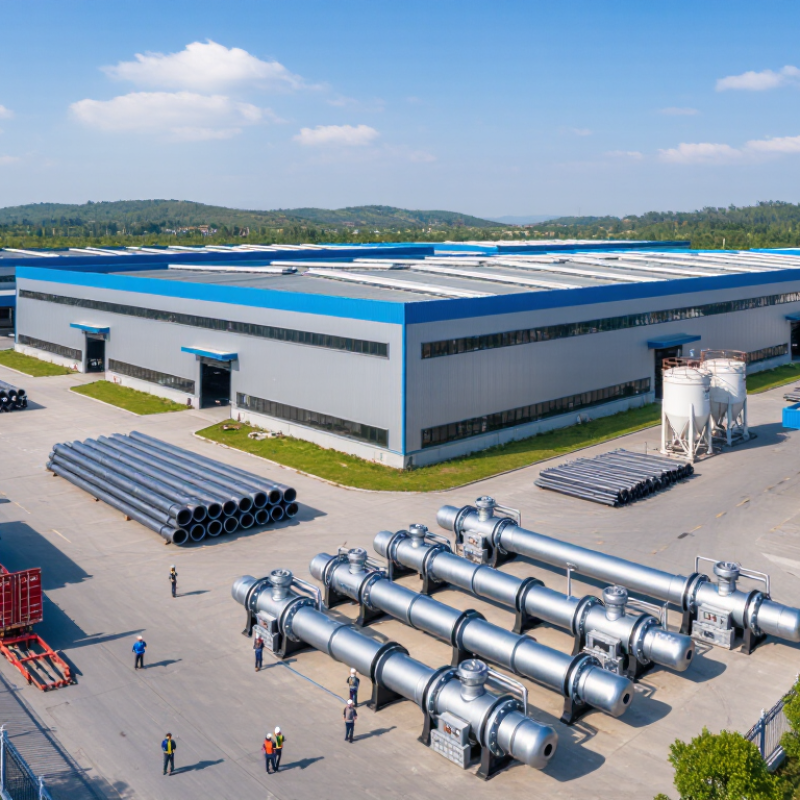
Capacity also deserves careful review. A large workshop does not always mean reliable delivery. Examine machining resources, assembly areas, spare-part storage, and average lead times. Quality becomes clearer during factory audits and third-party inspections. Look for stable welding procedures, calibrated test equipment, and documented nonconformance handling. No supplier is perfect. A polished presentation can still hide weak after-sales support.

Global reach includes more than shipping equipment overseas. Strong suppliers maintain regional service teams, multilingual documentation, export experience, and responsive technical support. Confirm installation guidance, emergency response hours, and spare-parts availability near your operating region. Compare references from wells with similar pressure, temperature, and environmental conditions. Some claims may remain difficult to verify, so request evidence instead of accepting impressive figures. Supplier rankings can help narrow the field, but practical audits often change the order.

How Global Buyers Can Choose the Right Chinese Supplier

Choosing among China’s top ten blowout well suppliers requires more than comparing prices. Start with the equipment scope: working pressure, bore size, temperature range, connection type, and operating environment. Ask for current quality certificates, manufacturing records, and pressure-test procedures. A capable supplier should explain design limits in clear technical language. Vague answers matter. They may reveal weak engineering control. Request evidence, not promises.

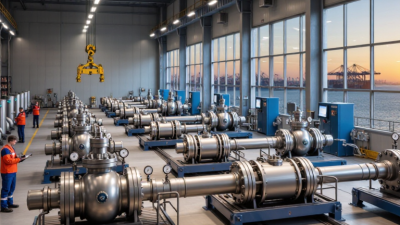
A remote factory tour helps, but an independent audit gives stronger evidence. Check machining areas, heat-treatment records, calibration labels, and material traceability. Review sample inspection reports for the body, rams, annular element, seals, and hydraulic systems. Confirm every critical component can be traced to a batch and inspection result. Before shipment, require witnessed factory acceptance testing under agreed conditions. Record test pressure, holding time, leakage limits, and corrective actions. These details protect buyers when documents look complete but production varies.

Supplier selection also depends on response after delivery. Test the technical contact with a realistic spare-parts question. Measure reply time and the quality of the proposed solution. Ask about installation training, maintenance manuals, replacement lead times, and emergency support. A supplier may pass inspection yet lack field service capacity. That weakness is easy to miss. I would score technical fit, verified quality, communication, delivery history, and total cost separately. Still, no checklist is perfect. One overlooked assumption can affect an entire well-control plan. Recheck specifications with the drilling contractor and local compliance adviser before signing.