Top 10 Drilling Equipment Types You Need to Know?
Drilling Equipment plays a crucial role in various industries, including oil and gas, construction, and mining. According to industry expert John Smith, "Understanding the right drilling equipment is key to efficient operations." Each type of equipment serves a distinct purpose, and selecting the wrong one can lead to costly mistakes.
The world of drilling equipment can be complex and overwhelming. Despite advancements, challenges remain. Many overlook the importance of understanding equipment specifications. This oversight can lead to inefficiencies, delays, and increased operational costs.
Familiarity with essential types of drilling equipment can make a difference. This knowledge equips operators to make informed decisions. It is not just about having the latest technology; the right tools can enhance productivity and safety on job sites. Exploration of the top ten must-know drilling equipment types can provide valuable insights for industry professionals.

Overview of Drilling Equipment in the Industry
Drilling equipment plays a critical role in various industries. These tools are essential for oil, gas, and mineral exploration. According to a recent industry report, the global drilling equipment market is projected to reach $10 billion by 2026. This growth highlights the increasing demand for efficient and reliable drilling solutions.
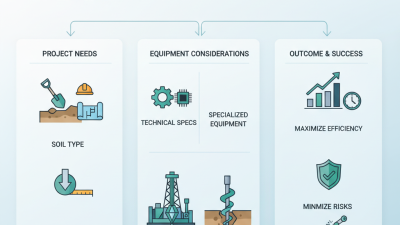
Different types of drilling equipment are necessary for specific applications. For example, rotary drills are often used for deep drilling, while auger drills are suitable for shallow projects. The choice of equipment can significantly impact project efficiency. However, many operators face challenges in selecting the right tools. Misjudgments can lead to downtime and increased costs.
Maintaining drilling equipment is equally important. Regular inspections can prevent equipment failures. A recent study indicated that nearly 30% of drilling accidents are due to equipment malfunction. Addressing these issues is vital for enhancing safety and productivity on site. Without proper care, even the best equipment can become a liability.
Essential Types of Drilling Rigs and Their Functions
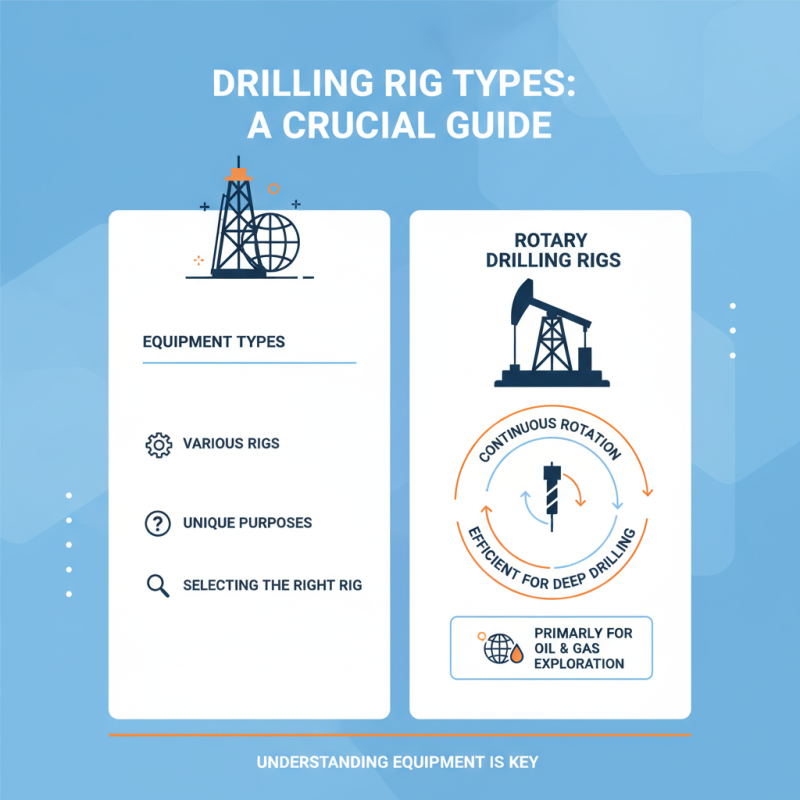
When it comes to drilling, understanding equipment types is crucial. There are various drilling rigs, each serving a unique purpose. For example, rotary drilling rigs are widely used in oil and gas exploration. They create boreholes through continuous rotation, making them efficient for deep drilling.
Another essential type is the cable tool rig. This rig employs a hammering action, which is useful for shallow wells. Despite its effectiveness, it can be slow and labor-intensive. It requires skilled operators and may lead to inconsistencies in depth.
In addition, you cannot overlook the impact of hydraulic rigs. These rigs leverage high-pressure fluids to break rock formations. They are often faster, but can lead to environmental concerns. Balancing speed and safety is vital. Each rig has its strengths and drawbacks. Focusing on proper training and equipment maintenance can mitigate issues. Understanding these details is key in the drilling industry.
Key Components of Drilling Equipment: A Detailed Breakdown
Drilling equipment is essential for various industries, from construction to oil extraction. Understanding the key components helps you choose the right tools for your needs.
One major part of drilling equipment is the drill bit. This device cuts through the material. Different types exist for varying surfaces, such as rock or soil. Choosing the wrong bit can slow down the process significantly.
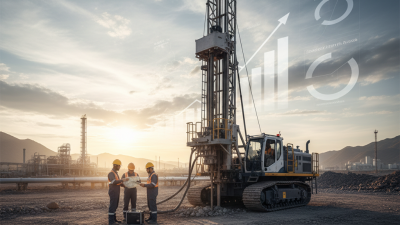
Another vital component is the drill rig. It provides the necessary power and stability for drilling. Without a good rig, even the best drill bit won't perform well. Consider the terrain when selecting a rig. Not all rigs are suitable for every location.
**Tips:** Always inspect your equipment before use. Small damages can lead to big problems later. Additionally, train your team on proper handling to minimize mistakes. Proper maintenance is key to prolonging the life of your equipment.
Top 10 Drilling Equipment Types You Need to Know
| Equipment Type |
Key Components |
Function |
Common Uses |
| Rotary Drilling Rig |
Drill Bit, Drill Pipe, Kelly, Hoisting System |
Create boreholes |
Oil and Gas Exploration |
| Top Drive System |
Top Drive, Power Supply, Control System |
Power rotary drilling |
Deep Well Drilling |
| Mud Pumps |
Piston, Valves, Pump Housing |
Circulate drilling mud |
Maintaining Downhole Pressure |
| Drill Bits |
Cutter, Body, Nozzles |
Cut through rock |
Borehole Creation |
| Casing |
Steel Pipe, Cement |
Support borehole walls |
Prevent Collapse |
| Blowout Preventer (BOP) |
Control Mechanism, Valves |
Prevent blowouts |
Safety on Drilling Rigs |
| Drilling Fluid |
Water, Clay, Chemicals |
Lubricate and cool |
Control Temperature |
| Directional Drilling Equipment |
Gyro Tool, Drill Bit |
Drill at angles |
Horizontal Drilling |
| Well Completion Tools |
Production Casing, Perforating Gun |
Prepare well for production |
Finalizing Wells |
| Measurement While Drilling (MWD) Tools |
Sensors, Data Transmission |
Measure well parameters |
Real-time Data for Decision |
Safety Equipment and Best Practices in Drilling Operations
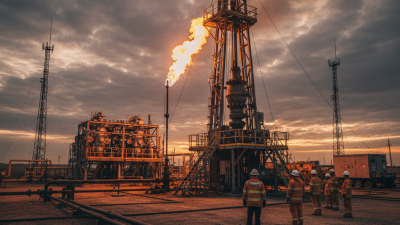
Drilling operations involve various safety equipment and best practices to minimize risks. According to the International Association of Drilling Contractors, around 23% of incidents in the industry are related to equipment failure. This highlights the importance of using reliable gear. Safety helmets, gloves, and eye protection are essential. They can prevent injuries from falling objects and debris.
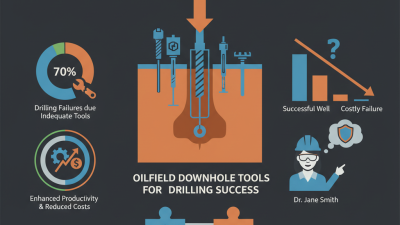
Regular training is crucial. Workers must understand the risks and proper equipment use. An estimated 70% of drilling accidents are preventable with adequate training. In many cases, lapses in safety practices result in serious injuries. It is vital to conduct routine drills and ensure that the entire team is aware of emergency protocols. Furthermore, a strong safety culture fosters accountability among workers.
Monitoring environmental factors is equally important. In some regions, noise and vibration levels exceed recommended limits, posing additional risks. Implementing noise-canceling equipment or vibration-dampening tools can mitigate these hazards. A proactive approach to safety can save lives and reduce financial losses. Despite advancements in technology, complacency remains a challenge. Continuous evaluation of safety procedures is imperative.