Top 10 Best Well Head Equipment You Must Know?
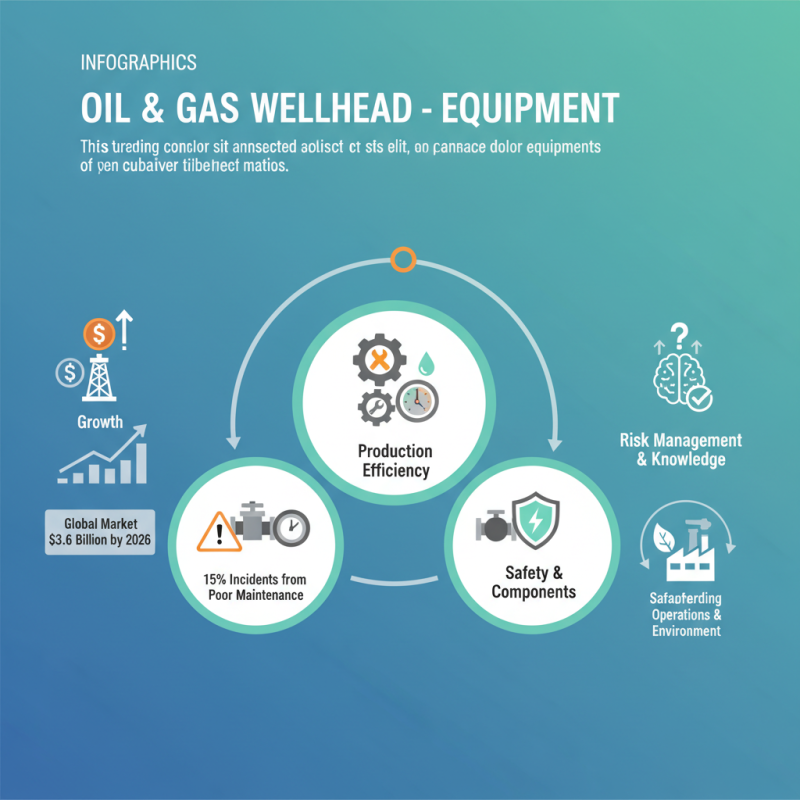
In the oil and gas industry, well head equipment plays a crucial role in production efficiency. According to a recent market report, the global well head equipment market is projected to reach $3.6 billion by 2026. This growth is fueled by rising energy demands and advancements in drilling technologies.
Well head equipment encompasses a variety of components, including valves, pressure gauges, and seals. Each piece must function flawlessly to prevent leaks and ensure safety. Despite high technology standards, failures can still occur. An estimated 15% of all well-related incidents stem from poorly maintained equipment.
Understanding well head equipment is essential for operators. It offers insights into potential risks and safety measures. As the industry evolves, staying informed about the best options becomes critical. Excellence in equipment selection could ultimately safeguard both operations and the environment.
Overview of Well Head Equipment and Their Importance
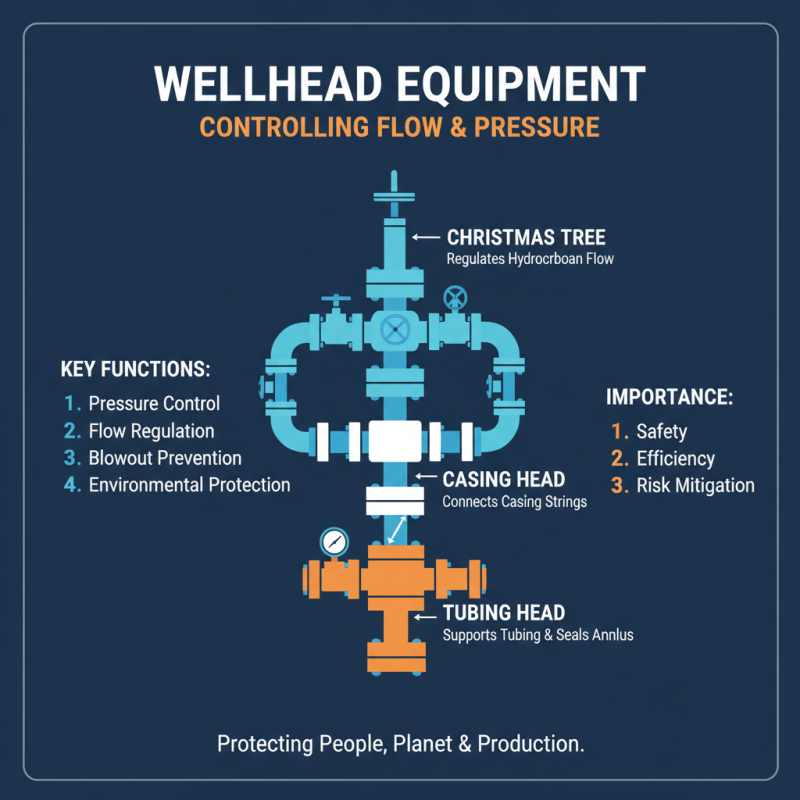
Well head equipment is crucial in the oil and gas industry. It serves as the primary connection point between the wellbore and the surface. This equipment helps control the pressure and flow of hydrocarbons. Without it, operations could face severe risks. Properly functioning well head equipment prevents blowouts and protects workers and the environment.
Understanding the components of well head equipment is key for safety and efficiency. These components include blowout preventers, valves, and pressure gauges. Each part has a specific role in managing the well’s output. They need regular inspections and maintenance. Over time, wear and tear can compromise their efficacy. Ignoring these aspects could lead to catastrophic failures.
Moreover, the installation process is complex. It requires skilled professionals who can identify potential issues. An inadequately installed well head might not seal correctly. This can lead to leaks or even eruptions. Therefore, training and diligence in this area cannot be overstated. Ensuring the reliability of well head equipment is vital for sustainable practices in drilling operations.
Key Components of Well Head Systems Explained
Wellhead systems play a crucial role in oil and gas production. They act as the primary interface between the ground and surface equipment. Understanding the key components is essential for efficient operations and safety.
One vital component of wellhead systems is the Christmas tree. This assembly controls the flow of fluids from the well. According to a recent industry report, improperly installed Christmas trees can lead to operational inefficiencies, resulting in losses of up to 15%. Another critical part is the surface casing. This provides structural integrity and ensures fluids remain contained. Without a robust casing, production can face unforeseen challenges.
Pressure control equipment is equally essential. Accurate monitoring and regulation prevent dangerous blowouts. Reports indicate that nearly 30% of incidents stem from faulty pressure systems. Regular maintenance is not just recommended; it's necessary. Over time, components can degrade, creating potential risks. In conclusion, understanding these elements allows for better decision-making and operational reliability in wellhead systems.
Top 10 Best Well Head Equipment You Must Know
| Equipment |
Function |
Material |
Pressure Rating |
Key Feature |
| Wellhead Casing Head |
Supports casing and seals wellbore |
Carbon Steel |
Up to 10,000 psi |
Multi-piece construction |
| Christmas Tree |
Controls flow of fluids |
Alloy Steel |
Up to 15,000 psi |
Automatic and manual control options |
| BOP (Blowout Preventer) |
Prevents uncontrolled flow |
High-strength Steel |
Up to 20,000 psi |
Dual ram design for safety |
| Wellhead Connector |
Connects wellhead to the tubing |
Stainless Steel |
Up to 10,000 psi |
Easy to install |
| Flowline |
Transport fluids from wellhead |
Carbon Steel |
Varies by application |
Corrosion-resistant coatings |
| Choke Valve |
Regulates flow of fluids |
Alloy Steel |
Up to 10,000 psi |
Adjustable flow rates |
| Master Valve |
Main control valve for production |
Forged Steel |
Up to 15,000 psi |
Critical safety feature |
| Production Tree |
Facility for oil and gas production |
Carbon Steel |
Up to 15,000 psi |
Integrated metering capability |
| Wellhead Control Panel |
Control and monitor operations |
Aluminum/Steel |
N/A |
User-friendly interface |
| Sucker Rod |
Transfers motion from surface pump |
Steel |
Varies |
High tensile strength |
Top 10 Must-Know Well Head Equipment Specifications
Well head equipment is vital for oil and gas operations. Understanding specifications can enhance efficiency and safety. The American Petroleum Institute (API) reports that over 60% of drilling incidents stem from equipment failure. This highlights the importance of well head specifications.
The pressure rating is a key specification. Most well heads operate under varying pressures, commonly between 2,000 to 15,000 psi. Materials used must withstand extreme conditions. Carbon steel is typical, but high-grade alloys offer added durability. Temperature ratings also matter. Equipment must function in frigid to extreme heat.
Another aspect is the sealing technology. Effective seals prevent leaks and reduce blowout risks. The current standards emphasize dual-seal designs. These have improved leak prevention rates by nearly 40%. Moreover, adaptability for various bore sizes is crucial. Equipment often faces challenges with wellbore irregularities. Engineers must reflect on the design to accommodate these variations. Such considerations can prevent costly failures and enhance production outcomes.
Comparative Analysis of Leading Well Head Equipment Brands
When exploring well head equipment, it's crucial to compare different types. Various designs exist, each with unique features. These features can significantly affect performance and reliability. High-quality equipment ensures safety, but not all brands meet these standards. Some may have dubious construction practices. It's important to investigate material quality and durability.
Cost can also vary widely. More expensive doesn’t always mean better. Sometimes, budget options provide similar functionality. However, low-cost models may cut corners and affect long-term efficiency. Reviewing customer feedback can shed light on performance over time, revealing potential weaknesses.
Moreover, installation and maintenance are key factors. Certain designs are easier to install, saving time and labor costs. Yet, some require specialized knowledge to maintain. This can lead to increased operational costs if not managed properly. Analyze the ease of maintenance alongside performance and cost to make informed decisions.
Top 10 Best Well Head Equipment Comparative Analysis
Maintenance Tips for Ensuring Well Head Equipment Longevity
Maintaining well head equipment is crucial for optimal performance. Regular inspections help identify wear and tear. Look for leaks in seals and connections. A small leak today can lead to bigger issues tomorrow. Clean any debris around the equipment regularly. Even dirt can cause significant damage over time.
Use proper lubricants on moving parts. Apply them according to the manufacturer’s guidelines. This avoids unnecessary friction. Monitor pressure levels closely. Fluctuations often indicate underlying problems. If pressure is inconsistent, it’s time to take action.
Training staff is equally important. Ensure they understand equipment operation. Mistakes can happen. Even with good intentions, tasks may not always be performed correctly. Document maintenance activities. This creates a history that helps track performance. Keep a checklist of tasks completed. It’s easy to overlook minor details. Regular reviews can make a difference.