Essential Tips for Choosing the Right Bucking Unit for Your Needs?
Selecting the right Bucking Unit is crucial for optimal performance in logging operations. According to a report by the Forest Products Laboratory, the global market for bucking systems is expected to exceed $1 billion by 2025. This significant growth emphasizes the importance of understanding your specific needs. A Bucking Unit can directly impact productivity, safety, and overall cost-effectiveness.
In a survey conducted by the Timber Research Institute, 72% of logging professionals noted that choosing the right equipment improved their operational efficiency. Consider factors like machine capabilities, maintenance costs, and ease of use. Each choice may yield different results, and the implications can be profound.
It's essential not to overlook the importance of user feedback. Field tests and reviews provide real-world insights. Sometimes, even a seemingly simple decision can lead to challenges down the line. Taking the time to research and reflect on what works best for you will help in making a more informed decision.
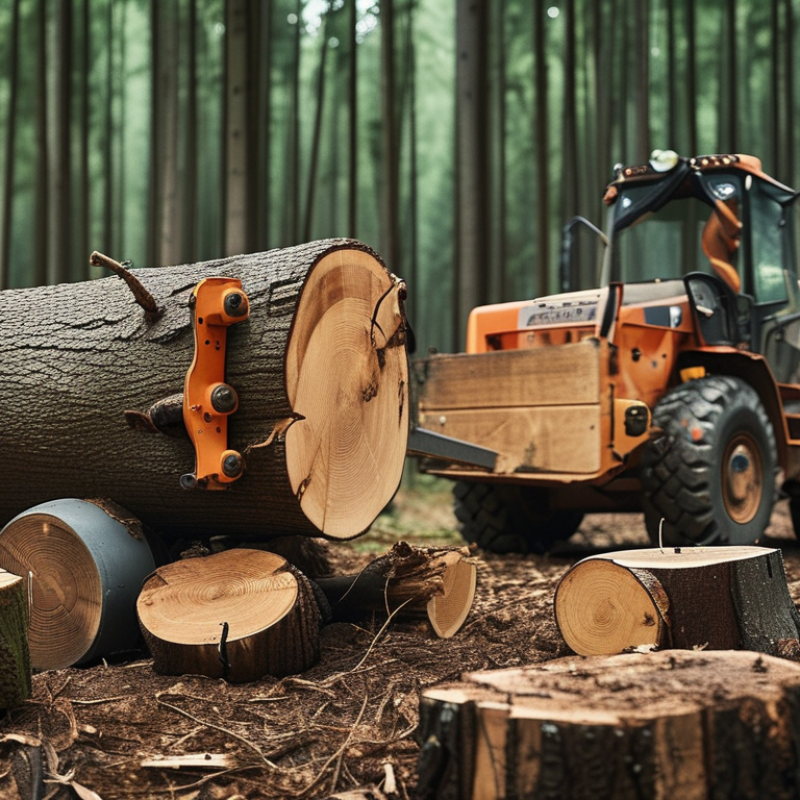
Understanding Different Types of Bucking Units Available in the Market
When selecting a bucking unit, understanding the various types available is crucial. Many industries utilize these machines, making it vital to know their specifications and capabilities. A recent industry report indicates that over 50% of users prioritize performance and durability when choosing a bucking unit. Factors such as speed, capacity, and ease of maintenance greatly influence this decision.
Common types include hydraulic and mechanical units. Hydraulic units are often favored for their efficiency and adaptability. They can handle various materials, offering flexibility in production settings. Mechanical units, while generally less expensive, may lack the same level of power and efficiency. Reports suggest that nearly 40% of mechanical unit users report maintenance challenges, highlighting the need for careful consideration.
It’s also important to assess specific application needs. For instance, if high volume is a priority, selecting a unit with a robust throughput is essential. Many operators overlook this, resulting in unsatisfactory performance and increased costs. Prospective buyers should prioritize their operational demands while balancing cost and capability. Remember, the right bucking unit plays a significant role in overall productivity and efficiency.
Evaluating Your Specific Needs and Requirements for a Bucking Unit
Choosing the right bucking unit starts with understanding your specific needs. Think about the volume of work you expect. Higher workloads may require a more robust unit. Consider the type of materials you will be processing as well. Different units are better suited for different materials, which can affect performance. Compatibility is crucial; a mismatch here can lead to inefficiency.
You should also evaluate the features that matter most to you. Automated systems can save time and minimize manual labor. However, they might come with a steep learning curve. Will you need portability? Some units are designed for easy transport, while others are stationary. Reflect on your work environment. A noise-sensitive area may require quieter options to prevent disturbances.
Lastly, pay attention to the unit's maintenance requirements. A unit that seems simple could have hidden complexities. Make sure to read reviews and user feedback. Not all units provide the same reliability. Perform your due diligence to ensure long-term satisfaction.
Essential Tips for Choosing the Right Bucking Unit for Your Needs
| Feature |
Description |
Importance |
Considerations |
| Power Output |
The horsepower or wattage of the unit. |
High |
Ensure it meets your workload needs. |
| Size |
Dimensions of the bucking unit. |
Medium |
Consider space limitations on site. |
| Material Compatibility |
What types of materials it can handle. |
High |
Relevant for industry-specific applications. |
| Ease of Use |
How user-friendly the unit is. |
Medium |
Look for intuitive controls and setup. |
| Maintenance Requirements |
How often the unit needs servicing. |
High |
Consider long-term ownership costs. |
| Price Range |
Cost of the unit and related expenses. |
High |
Ensure it fits your budget. |
Key Features to Consider When Selecting a Bucking Unit
When selecting a bucking unit, certain key features play a vital role in your decision-making process. The design and build quality are paramount. Look for units made from durable materials that can withstand harsh conditions. Metal components should be rust-resistant. The hydraulic system should have reliable seals to prevent leaks. Performance under various conditions is crucial.
Size and mobility are also significant. A compact unit may be easier to transport but could sacrifice power. Consider your primary use case. Will you work in tight spaces or larger areas? Weight influences the unit’s stability and ease of transport.
Additionally, assess the available features and technology. Advanced units may offer programmable settings, which enhance efficiency. Yet, these features can complicate use, leading to confusion. It’s often best to balance technology with usability. Remember, a robust manual or customer support can be invaluable. Choose a unit that fits your workflow without overwhelming you.
Assessing Budget and Cost-Effectiveness of Bucking Units
When it comes to selecting the right bucking unit, budgeting is crucial. Start by evaluating your financial resources. Consider both initial and ongoing costs. Make a list of your needs based on your operation's scale. Weigh potential expenses against the benefits of efficiency. Sometimes cheaper units might lack essential features.
It's essential to analyze the cost-effectiveness of different options. A high upfront investment might lead to long-term savings. Look for units that offer better performance and durability. Don’t shy away from seeking advice from industry experts or peers. Their insights can reveal hidden costs and alternatives.
Budget constraints may push you towards less reliable options. However, investing in quality can pay off. Reflect on experiences—did previous choices lead to costly repairs? Understand that the best choice isn’t just the one that fits your budget, but the one that enhances your productivity and reliability over time.
Cost-Effectiveness of Different Bucking Units
This chart illustrates the cost comparison of various bucking units. Understanding the financial implications of each option can assist in making an informed investment decision based on your budget and needs.
Manufacturer Reputation and Warranty Considerations for Bucking Units
When selecting a bucking unit, the reputation of the manufacturer cannot be overlooked.
Companies with a long-standing history often demonstrate reliability. According to industry reports, about
75% of users prefer equipment from recognized manufacturers.
These brands generally invest in R&D, leading to improved performance and safety features. A solid reputation
often correlates with better service after the sale.
Warranty considerations are equally vital.
A robust warranty protects your investment and reflects the manufacturer’s confidence in their product.
Research indicates that units with warranties exceeding two years frequently report lower malfunction rates.
Some reports suggest that nearly 40% of equipment failures occur within
the first year. A strong warranty not only mitigates risk but also offers peace of mind during high-stakes operations.
It’s essential to be aware of perceived weaknesses in the market. Not all products from reputable
manufacturers are high quality. Some may lack the durability needed for heavy use. Therefore, careful assessment
of customer reviews and warranty terms is crucial. Prioritizing manufacturers with proven track records ensures
that you make an informed choice.