How to Handle a Blowout Well Emergency Safely?
Blowout wells are a significant concern in the oil and gas industry. They pose dangers not only to the workers but also to the environment. According to the International Association of Drilling Contractors, nearly 25% of drilling incidents are blowouts. Effective management of these emergencies is crucial for safety.
Understanding how to handle a blowout well emergency requires both experience and training. Industry experts emphasize strict adherence to safety protocols. These measures can significantly reduce risks during such critical situations. In fact, a study by the Bureau of Safety and Environmental Enforcement highlighted that proactive training can help reduce blowout incidents by up to 40%.
While technology and planning are essential, real-world scenarios can differ. Teams must be prepared for unexpected challenges. Everything from equipment failure to human error can complicate responses. Acknowledging the possibility of mistakes is vital. As we discuss blowout well emergencies, we reflect on past incidents and the lessons learned. Proper preparation is not just beneficial; it is a necessity for the safety and effectiveness of operations in this high-stakes field.
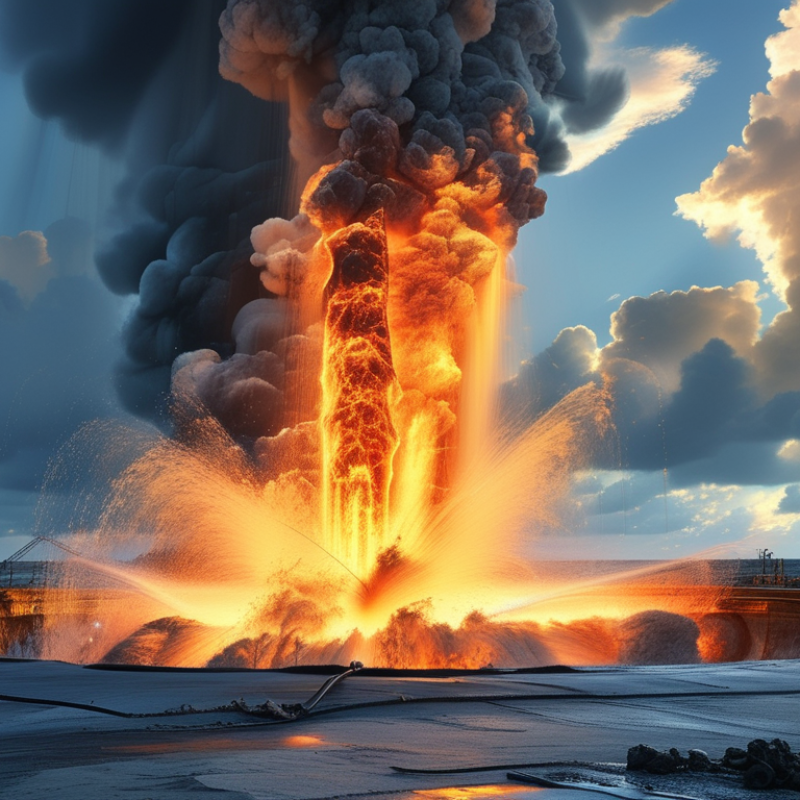
Understanding What a Blowout Well Emergency Is
A blowout well emergency occurs when there is an uncontrolled release of crude oil or natural gas. This situation can lead to catastrophic environmental damage and serious safety risks. Understanding the dynamics of a blowout is crucial for prevention and response. Studies indicate that such incidents can release thousands of barrels of oil in mere hours, challenging containment efforts. The U.S. Energy Information Administration reported that blowouts happen, on average, once every 100,000 wells drilled. This highlights the rarity but seriousness of these events.
Emergency preparedness is vital. Personnel must be trained to recognize warning signs, like sudden pressure changes or gas leaks. A proactive approach involves the use of blowout preventers (BOPs), specialized equipment designed to seal off wells. Research shows that proper maintenance of BOPs can reduce blowout incidents by up to 80%. Despite this, many operators fail to conduct regular inspections. This negligence increases the risk of an incident, reflecting a need for better adherence to safety standards.
Isolation zones should be established around a well site during operations. According to the International Association of Oil and Gas Producers, response teams must be ready to mobilize, often within minutes. However, a report by the Center for Offshore Safety revealed that only 30% of operators have a comprehensive emergency response plan in place. This gap in preparedness can result in delayed responses, making it more difficult to manage a blowout effectively. Awareness and continuous training can lead to improved safety outcomes in the industry.
Recognizing Signs of a Blowout Well Emergency
Recognizing the signs of a blowout well emergency is critical for safety in the oil and gas industry. According to the National Commission on Offshore Oil Spill Prevention and Response, over 35% of offshore blowouts result from equipment failure or human error. Awareness of early warning signs can mitigate risks significantly.
Some indicators include sudden pressure changes in the well system, unexpected noise, and abnormal fluid outflows. If you observe these signs, evacuation procedures should be initiated. Delaying action can lead to catastrophic outcomes. A robust response plan can save lives and reduce environmental damage.
Tips: Always conduct regular equipment checks. Ensure that all personnel are trained for emergency situations. Regular drills will prepare your team for real-life scenarios. Ensuring clear communication is critical in a blowout emergency. Review and update your emergency response plan continually.
Additionally, maintaining a safe distance from the wellhead during operations can minimize risks. Knowing the layout of your site and having quick access to safety equipment can also enhance safety outcomes. Always remain vigilant, as complacency can lead to unfortunate situations.
Steps to Ensure Personal Safety During a Blowout
During a blowout well emergency, personal safety is paramount. Reports indicate that improper handling of such situations can lead to severe injuries. For instance, the U.S. Bureau of Safety and Environmental Enforcement noted that 80% of blowouts could have been mitigated with proper procedures. Awareness of protocols can greatly reduce risks.
Understanding your surroundings is crucial. Always keep a safe distance from the well site. Many studies suggest that a radius of at least 500 feet is necessary. In addition, being familiar with emergency evacuation routes is vital. Practice drills can prepare you for unexpected emergencies. A well-practiced plan could save lives and reduce panic.
Communication plays a key role during these incidents. Ensure that all personnel are equipped with reliable communication devices. Statistics show that clarity in communication can improve response times by up to 50%. During an emergency, every second counts. Realizing the importance of clear signals can enhance coordination among team members. Even small miscommunications can lead to disastrous outcomes.
Emergency Response Plans for Oil and Gas Operations
In oil and gas operations, emergencies can occur unexpectedly. Preparing an effective emergency response plan is crucial. According to a report by the American Petroleum Institute, 70% of oil spills are preventable with proper planning. A meticulous approach can limit environmental damage and ensure the safety of personnel.
One essential element of an emergency plan is well monitoring. Continuous surveillance helps detect potential blowout risks early. Regular training for the workforce is equally important. Drilling teams should conduct drills that simulate blowout situations. This fosters familiarity with emergency procedures.
Tips:
- Conduct monthly emergency drills.
- Ensure all personnel can access emergency response equipment easily.
- Review and update plans regularly based on new information or incidents.
Realistically, even the best plans can face challenges. For instance, unexpected equipment failures may hinder a quick response. Reflecting on past incidents can provide valuable insights for improvement.
Emergency response is an ongoing process. Continuous evaluation is necessary for safety and reliability in operations.
Post-Emergency Procedures and Evaluation
After a blowout well emergency, post-incident procedures are crucial. Begin by ensuring the area is safe. Personnel should avoid hazardous zones. It’s important to communicate with your team about their wellbeing. Everyone should check in with each other. This fosters a supportive environment.
Evaluate the situation thoroughly. Document every detail about the incident. Include the timeline and actions taken. This can help identify what went wrong. Be honest about mistakes. Reflection is key to improving safety measures in the future. Conduct a formal debriefing. Involve all relevant personnel to gather diverse insights.
After gathering information, assess your emergency response protocols. Review what protocols were effective and which were not. Adjust your training programs if necessary. Engage in regular drills based on the lessons learned. It's vital to focus on continuous improvement. This ensures a safer environment for future operations.