10 Essential Tips for Successfully Managing a Blowout Well
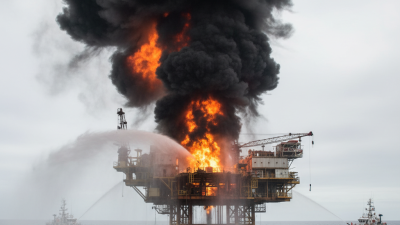
In the oil and gas industry, managing a Blowout Well is crucial for safety and efficiency. According to a report by the International Association of Drilling Contractors (IADC), blowouts account for significant financial losses, estimated at over $30 million each incident. These events can lead to environmental damage and serious injuries. Expert James Parker, an industry consultant, emphasizes, "Effective management of a blowout is not just about response; it's about prevention and preparedness."
Consider the intricate balance between technology and human decision-making. Many operators still lack proper training in blowout prevention methods. The need for improvement is evident. Reports show that only 40% of drilling personnel receive adequate training on blowout control techniques. This gap can lead to preventable disasters.
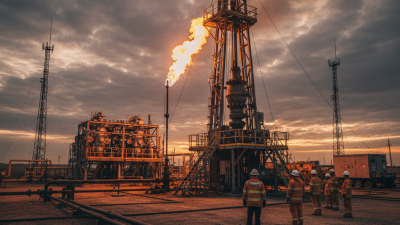
Moreover, the pressure in drilling formations can be unpredictable. Operators must be vigilant and use real-time data to manage their Blowout Well effectively. Without proper monitoring, risks increase substantially. The industry must reflect on these shortcomings and address the urgent need for better protocols. Failure to do so could have dire consequences.

Understanding Blowouts: Definition and Causes
A blowout is an uncontrolled release of pressure from a well. It occurs when the reservoir's pressure exceeds the pressure exerted by the well's fluids. The consequences can be severe. Blowouts often result from equipment failure or improper well management.
Understanding the causes can help prevent disasters. Often, blowouts stem from human error. Neglecting safety protocols can lead to catastrophic outcomes. Poorly maintained equipment, such as valves and pumps, can fail at critical moments. Weather conditions can also affect stability. Heavy rains or storms can complicate operations, increasing the risk of blowouts.
It’s important to recognize warning signs. Unusual pressure changes may indicate a problem. Monitoring tools can help detect these changes early. Yet, many operators still overlook these signs. It’s easy to get complacent during routine checks. Developing a culture of safety is vital. Regular training and drills can prepare teams for emergencies. This can reduce panic and improve response times during a blowout. Engaging all team members in safety practices is essential for preventing failures.
Assessing the Situation: Initial Steps to Take
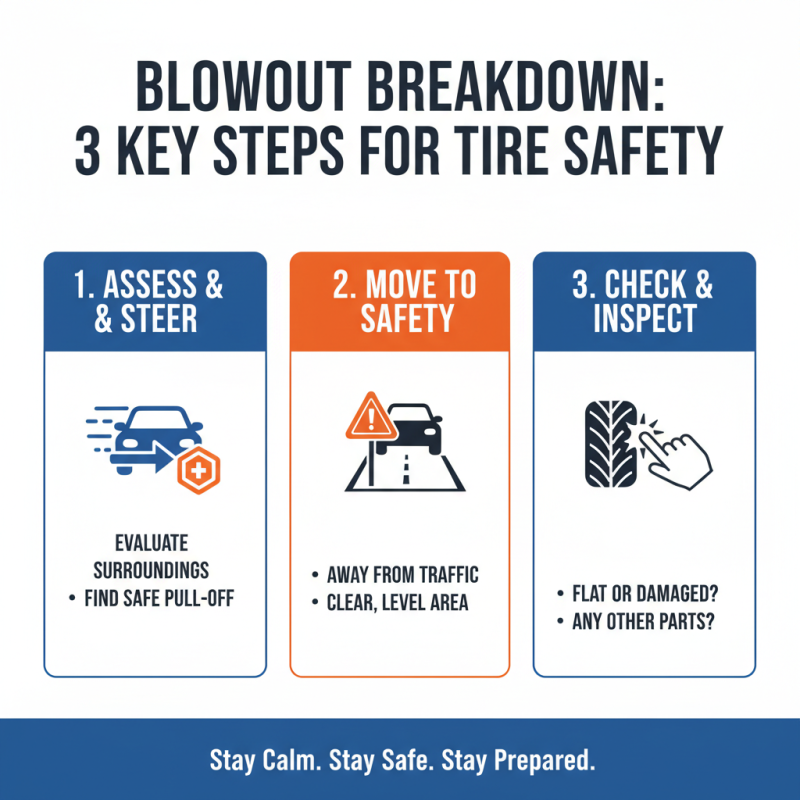
When dealing with a blowout, assessing the situation immediately is crucial. Start by evaluating the environment around you. Look for safe places to pull over if driving. Find a clear area away from traffic. This simple step can prevent further complications. Once you’re in a safe spot, check the extent of the blowout. Is the tire completely deflated? Are any other parts damaged?
Next, gather necessary tools. A spare tire, jack, and wrench are essential. If you find yourself lacking, rethink how to prepare for emergencies. Many people overlook this. Keeping these tools accessible is critical. At times, you may feel overwhelmed. It’s okay to take a moment. Assess your mental state. Stay calm to make clear decisions. The tension can cloud judgment and lead to mistakes. Reflecting on your initial steps can shape better outcomes in the future.
Implementing Safety Measures to Protect Personnel
Managing a blowout well hinges on implementing effective safety measures.
Worker safety must be a priority.
Proper training is essential. Each team member should understand their role and potential hazards.
Regular drills can prepare them for emergencies.
Establish clear communication channels.
Every worker should know who to contact during a crisis.
This ensures quick responses and minimizes panic.
Use visual signals to enhance understanding in noisy environments.
These small details can save lives.
Regular equipment checks are crucial.
Ensure that all safety gear is functional.
Faulty equipment can lead to severe accidents.
Encourage a culture of safety where workers feel comfortable reporting issues.
Sometimes, uncertainty can lead to hesitation.
Acknowledging flaws in the system fosters improvement.
Strategies for Controlling and Mitigating Blowouts
Managing a blowout in high-pressure environments requires strategic planning and effective execution. Data from the International Association of Drilling Contractors indicates that 80% of blowouts occur due to human error or inadequate risk assessment. It’s crucial to invest time in comprehensive training and simulations. Regular drills can help prepare the team for real-life scenarios.
A clear communication plan is essential. Establishing protocols for immediate reporting and response can significantly reduce the impact of a blowout. The Offshore Technology Conference emphasizes that timely action can cut containment costs by up to 60%. However, mistakes can still happen. Teams must be open to learning from each incident. Post-event analyses often reveal missed warnings or procedural lapses. This reflection is key to continuous improvement in safety practices.
Utilizing real-time monitoring technology can enhance response strategies. Implementing these systems leads to quicker data access and better decision-making. A report by the
American Petroleum Institute shows that companies employing advanced analytics have seen a
40% decrease in blowout incidents. Balancing technology and human oversight remains a challenge. Each solution must be evaluated and adapted, ensuring teams are not overly reliant on tools. Continuous feedback from on-ground personnel is vital to refining these strategies.
Effective Communication and Reporting During Incidents
Effective communication is crucial during any incident, especially a blowout. Clear messaging helps all stakeholders understand the situation. Use simple language to convey complex information. It’s vital to define roles clearly. Each team member should know their responsibilities. In a chaotic situation, confusion can lead to errors.
Document everything as it happens. This includes decisions made, actions taken, and communications sent. Real-time reporting helps track progress and provides a reference. It’s important to remain flexible, as situations can evolve rapidly. Be prepared to adapt your message based on new information. Sometimes, it may be necessary to admit when things are not going as planned.
Feedback loops are essential. After an incident, gather input from all involved. Analyze what went well and what did not. This reflection can highlight gaps in communication or decision-making processes. Learning from mistakes is vital. Continuous improvement ensures that future incidents are managed more smoothly. Communication is not just about conveying messages; it's also about listening and adjusting.
10 Essential Tips for Successfully Managing a Blowout Well - Effective Communication and Reporting During Incidents
| Tip No. |
Tip Description |
Communication Strategy |
Reporting Frequency |
| 1 |
Establish a Clear Incident Command |
Regular updates via designated spokesperson |
Hourly updates |
| 2 |
Train All Staff on Emergency Protocols |
Briefing sessions and drills |
Monthly |
| 3 |
Use of Visual Aids for Reporting |
Charts and maps shared in real-time |
Real-time |
| 4 |
Maintain Open Lines of Communication |
Dedicated communication channels |
Continuous |
| 5 |
Document Everything in Real Time |
Live logging by designated personnel |
Immediate |
| 6 |
Utilize Incident Management Software |
Centralized platform for updates |
As required |
| 7 |
Establish Roles and Responsibilities |
Clear designation of duties |
Ongoing |
| 8 |
Implement Post-Incident Review |
Debriefing sessions |
Within 48 hours |
| 9 |
Engage with Stakeholders Regularly |
Scheduled meetings |
Weekly |
| 10 |
Feedback Mechanism for Continuous Improvement |
Surveys and suggestion boxes |
Post-incident |