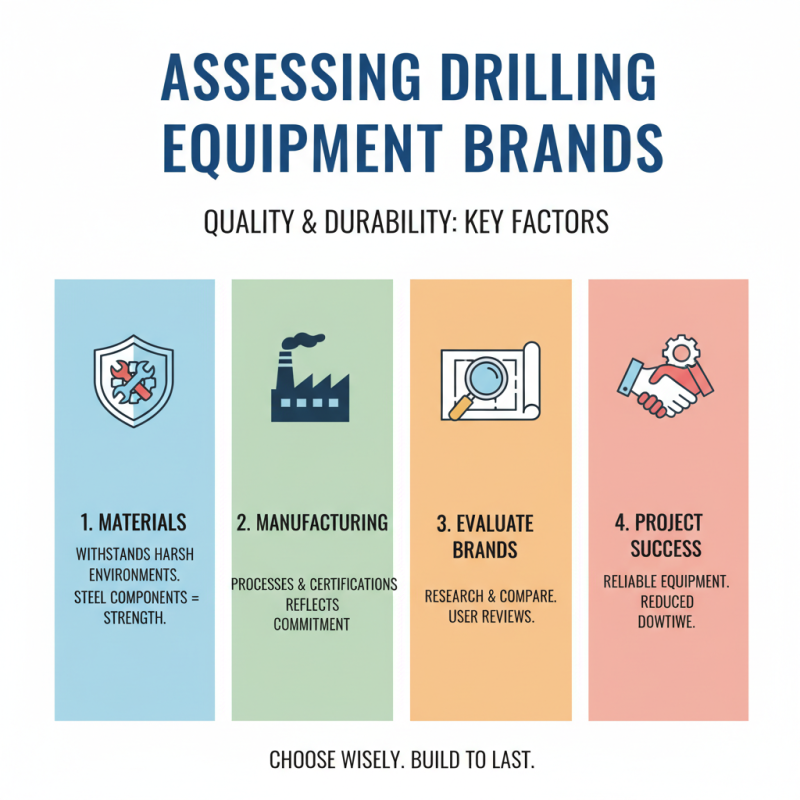
10 Essential Tips for Choosing the Right Drilling Equipment
Choosing the right drilling equipment is crucial for successful projects in the manufacturing and construction sectors. Various factors come into play when making this selection. Equipment quality, specific project requirements, and supplier certifications are essential elements to consider.
Before diving into choices, it’s vital to understand the specific demands of your operation. Not all drilling equipment is built the same. Each has unique features, strengths, and weaknesses. For instance, the wrong size or type of drill can lead to inefficiencies and project delays.
Additionally, As seen in the recent advancements at trade shows like the Canton Fair, the rise of smart technologies, such as AI navigation tools, can significantly aid in finding the best suppliers. This integration of technology can streamline your search for certified providers, ensuring that you acquire reliable and compliant drilling equipment. However, it’s important to remain critical, constantly evaluating both the equipment and the suppliers’ claims. Making informed decisions can set the foundation for future success.
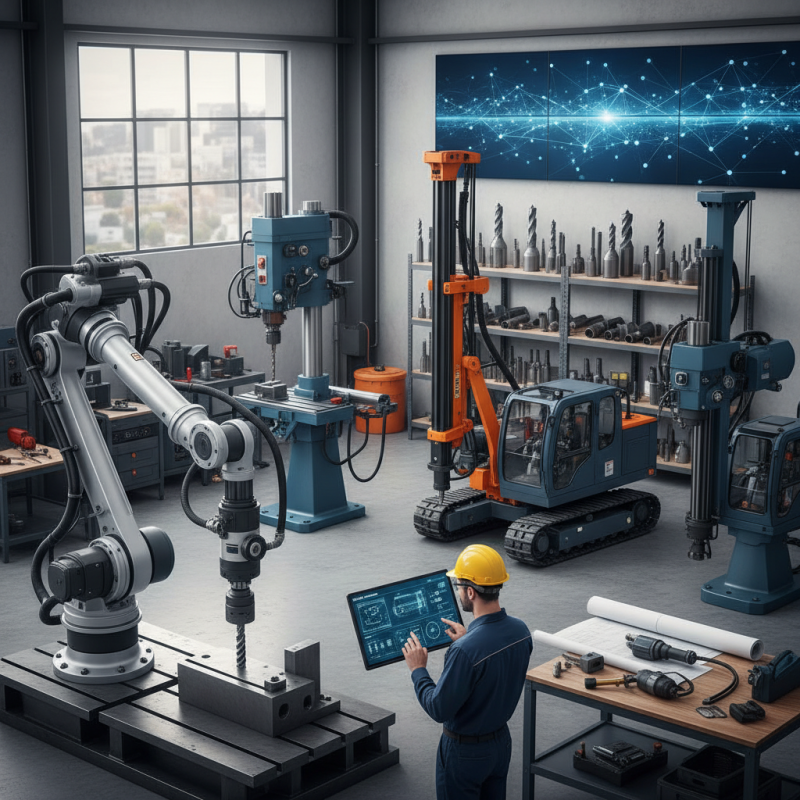
Understanding the Types of Drilling Equipment Available in the Market
When selecting drilling equipment, understanding the various types available is crucial. Drilling rigs can be classified into several categories, including rotary, percussion, and auger drills. Rotary drills are common for deep drilling. They use a rotating drill bit to break through hard materials. On the other hand, percussion drills rely on a hammering action. This can be highly effective in softer soils and rocks.
Auger drills are often used for shallow holes, like fence posts. They are simple in design and easy to handle. Each type has its strengths and weaknesses. You may find that what works in one situation may not be appropriate in another. Be prepared to rethink choices if results are not as expected.
For example, if you face loose soil, a rotary drill might struggle, while a percussion drill could excel. As you evaluate these options, consider the depth and type of materials involved in your project. Knowing the environment can lead to better decisions. Challenges in understanding the specific needs of your project are common. Embracing this uncertainty allows for improved equipment selection in the long run.
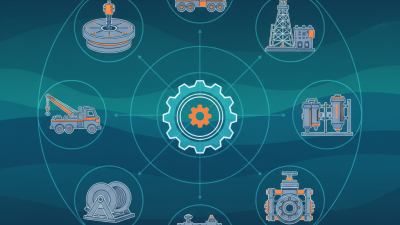
Types of Drilling Equipment and Their Market Share
Evaluating Your Specific Drilling Needs and Project Requirements
Choosing the right drilling equipment starts with understanding your specific needs. Each project has unique requirements, whether it’s the depth, soil conditions, or the type of material you are drilling through. Assessing these factors is crucial. For instance, rocky terrains demand robust drills, while softer soils may allow for lighter options.
Consider the scale of your project. Are you drilling a small hole or a series of deep shafts? This can influence the size and power of the equipment you will need. Moreover, think about your budget. Sometimes, cheaper options might not fulfill your requirements. Reflect on potential failures. It's better to invest in reliable tools than to face delays later on.
Evaluate your team's experience too. If your crew is inexperienced with complex machines, choosing a more manageable option may be wise. Inadequate training can lead to accidents. Reflecting on past projects can provide insight. What worked? What didn’t? Learning from both successes and challenges is vital when selecting suitable equipment.
Cost Considerations: Budgeting for Drilling Equipment Purchase
When budgeting for drilling equipment, cost considerations are crucial. Start by assessing your project requirements. Understand the type of drilling needed. Will it be for shallow wells or deep foundations? Your choice impacts the equipment's cost significantly.
Tip: Research different types of drilling machines. It can save you money. Compare prices and features, but beware of cheap options. Sometimes, lower prices mean lower quality. Spending a little more can ensure reliability and efficiency.
Unexpected expenses often arise. Factor in maintenance and repair costs. Consider training for your team. Skilled operators reduce accidents and increase productivity.
Tip: Create a detailed budget. Break down costs by equipment, labor, and unforeseen expenses. Keep in mind that investing in high-quality equipment may have a higher upfront cost, but it could pay off in the long run.
Reflect on your choices. Cheaper options may lead to higher costs later. Striking a balance between quality and price is key. Achieving the right fit for your project will ultimately save you money and time.
10 Essential Tips for Choosing the Right Drilling Equipment - Cost Considerations: Budgeting for Drilling Equipment Purchase
| Tip |
Description |
Estimated Cost ($) |
Duration of Use (Years) |
Maintenance Frequency (Yearly) |
| Assess Your Needs |
Identify the type of drilling you will be doing. |
5000 |
5 |
1 |
| Consider the Brand Reputation |
Research and review the reputation of the brand. |
6000 |
7 |
2 |
| Evaluate Equipment Specifications |
Ensure specifications meet your project requirements. |
7000 |
10 |
1 |
| Check for Warranty and Support |
Look for extended warranties and customer support options. |
3000 |
4 |
2 |
| Compare Prices |
Get quotes from multiple suppliers to find the best deal. |
4000 |
8 |
1 |
| Consider Rental vs. Purchase |
Evaluate if renting is a more cost-effective option. |
Variable |
N/A |
N/A |
| Factor in Operating Costs |
Calculate fuel, labor, and maintenance costs. |
3000 |
5 |
3 |
| Look for Financing Options |
Explore financing plans to ease upfront costs. |
5000 |
5 |
1 |
| Seek User Reviews and Feedback |
Read user experiences to gauge equipment reliability. |
Variable |
N/A |
N/A |
Seeking Expert Opinions and Recommendations on Drilling Equipment
When selecting drilling equipment, seeking expert opinions is crucial. Experts can provide valuable insights based on their experience. They can help you avoid common pitfalls. It is essential to ask the right questions. Inquire about the equipment's performance, durability, and ease of use. These details can guide your decision-making process effectively.
Moreover, recommendations from industry professionals can save you time. They may suggest equipment that meets specific project needs. Consider their insights as a way to weigh options. However, remember that every project is unique. What works for one may not be suitable for another.
Gathering diverse opinions can lead to better choices. Consult with different experts to get a rounded perspective. Remain open to feedback and be willing to reflect on your choices. This approach can lead to improved outcomes in your projects. Stay aware that even expert recommendations may vary. Ultimately, thorough research and critical thinking are key.