Essential Tips for Choosing the Right Drill Collar?
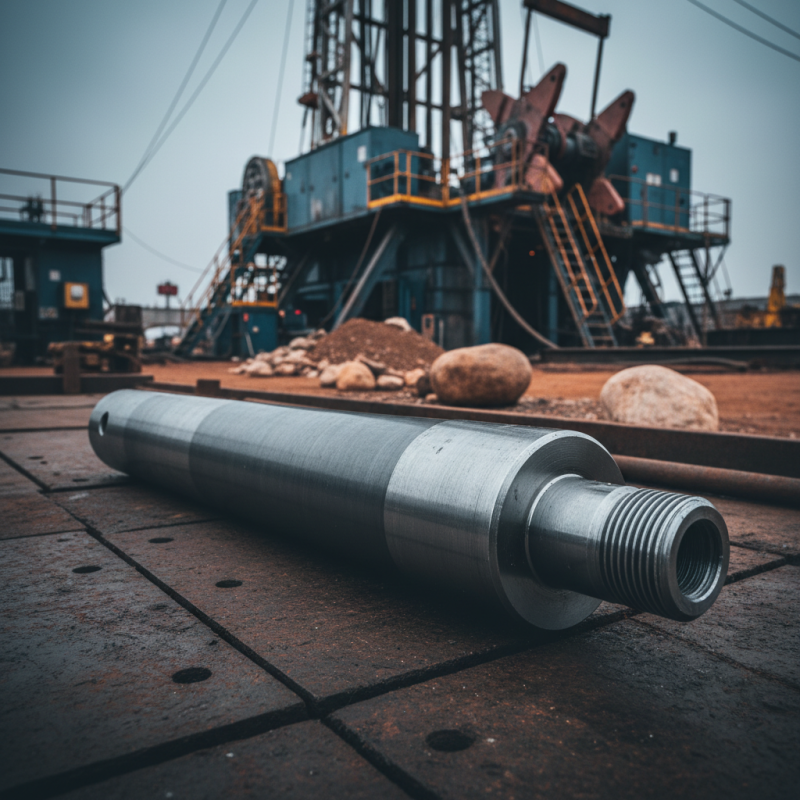
Choosing the right drill collar is crucial for drilling success. A drill collar provides the necessary weight and stability to ensure efficient drilling. Many factors influence your decision. You need to consider the material, length, and weight of the drill collar. Each characteristic affects the drilling process.
In the drilling industry, the right drill collar can prevent a host of issues. Improper choices may lead to equipment failure or delays. It's vital to understand the specifications of your drilling rig. Suboptimal collars might alter the entire operation, causing inefficiencies.
Reflect on your past experiences. Did you choose the right collars? Consider the type of rock and depth of the well. These factors help determine your needs. In the end, making an informed choice can enhance drilling performance significantly. A careful selection leads to successful outcomes.
Understanding Drill Collars: Purpose and Functionality
Drill collars play a crucial role in drilling operations. They provide necessary weight to the drill bit and help maintain control during the drilling process. Proper understanding of their purpose and functionality is essential for any drilling engineer. Reports show that effective use of drill collars can significantly enhance drilling efficiency, reducing costs by up to 20%.
Choosing the right drill collar depends on various factors. What material is best for your needs? Common materials include steel and composite options. Each presents unique advantages and challenges. Additionally, considering the length and diameter is vital. A well-fitted collar can prevent excessive wear on the drill bit.
When selecting a drill collar, keep these tips in mind.
Evaluate your drilling conditions. High-pressure environments may necessitate heavier collars. Additionally, seek out options with features tailored to your project. Lastly, don’t underestimate the importance of maintenance. Regular checks can mitigate risks of failure. The right drill collar can transform your drilling operations, turning challenges into opportunities for success.
Key Factors in Selecting the Right Drill Collar Material
When selecting the right drill collar, material choice is crucial. Steel and composite materials are common options. Steel offers durability and cost-effectiveness. However, composites can reduce weight, improving performance in specific conditions. In fact, industry reports indicate a 20% increase in efficiency with the right collar material.
Tips: Consider the environmental factors. Corrosive environments may require special coatings or materials. A study showed that improper material selection led to a 15% increase in maintenance costs. Pay attention to the weight. While lighter collars improve maneuverability, they may compromise strength in deep drilling applications.
Also, be mindful of the wellbore conditions. If the temperature and pressure are extreme, it might affect your material choice. Moreover, evaluate the collar diameter. A mismatch can lead to operational inefficiencies, leading to additional downtime. Each drill site brings unique challenges, and one size doesn’t fit all.
Essential Tips for Choosing the Right Drill Collar Material
This chart illustrates the weight per meter for different materials commonly used in drill collars. Understanding the weights of various materials is critical for selecting the appropriate drill collar for specific drilling applications.
Assessing Size and Weight Requirements for Drill Collars
Choosing the right drill collar is crucial for drilling efficiency. One of the key factors is assessing size and weight requirements.
Drill collars need to be heavy enough to provide downward force. However, they must also fit your drilling application.
When evaluating size, consider the diameter of the wellbore. A collar that is too wide may cause issues like stuck pipe. Conversely, a collar that is too narrow might not provide sufficient weight on the bit. Therefore, knowing the exact specifications is essential.
Weight is equally important. Heavier collars exert more force on the drill bit, aiding in penetration. However, if the collar is too heavy, it can hinder handling.
Finding the right balance is often a trial-and-error process.
Adjusting the weight based on the formations being drilled is a common practice. Relying solely on standard weights can lead to inefficiencies. Regular assessment and modifications are often needed to optimize performance.
Evaluating Drill Collar Design for Optimal Performance
When evaluating drill collar design, understanding its impact on performance is critical. The shape and weight distribution of the collar can influence drilling efficiency. A well-balanced collar minimizes vibrations and stabilizes the drill bit. This leads to better depth control. However, achieving this perfect balance is not always easy. Sometimes, designs do not translate well in the field.
Material choice also plays a significant role. Many drill collars are made of high-strength steel. Yet, using lighter materials may improve maneuverability but could sacrifice durability. This trade-off can be challenging. It’s important to analyze the specific drilling conditions. Each project has unique requirements, and a standard design may not fit all scenarios.
Weight is another factor to consider. Heavier collars provide more downward force, which can enhance penetration. But excessive weight can lead to complications, such as excessive stress on the drill string. Drillers often need to experiment with different configurations. It's a learning process that involves some trial and error. Embracing this complexity enables better decision-making and ultimately leads to improved performance outcomes.
Essential Tips for Choosing the Right Drill Collar
| Design Feature |
Description |
Material |
Weight |
Common Uses |
| Flat |
Provides stable bottom hole pressure and reduces the risk of drill string buckling. |
Steel |
Heavy |
Deepwater drilling |
| Round |
Offers improved mud circulation and reduced drag during drilling. |
Aluminum |
Moderate |
Shallow drilling |
| Integrated |
Combines features of flat and round collars to optimize performance in various conditions. |
Composite |
Lightweight |
Versatile applications |
| API Spec |
Complies with industry standards for safety and performance. |
High-strength steel |
Variable |
Critical depth applications |
Maintaining Safety Standards When Using Drill Collars
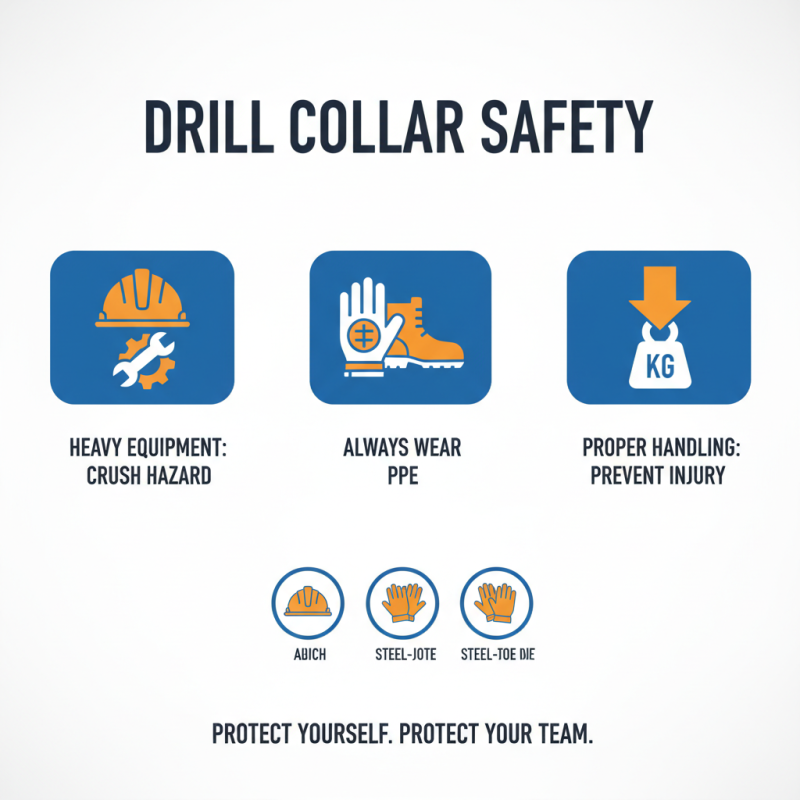
When using drill collars, safety is paramount. One must remember that these tools are heavy and can cause severe injuries if mishandled. Always wear appropriate personal protective equipment. Hard hats, gloves, and steel-toed boots are essential.
Before starting any operation, inspect your drill collars. Look for cracks or wear. A damaged collar can lead to catastrophic failures. Make sure your team knows how to handle these tools properly. Miscommunication can create dangerous situations.
It’s crucial to secure the drill collar safely during transport. Use designated locking mechanisms to prevent accidents. When working in teams, establish clear signals for lifting and lowering operations. Always stay alert and communicate effectively. Distractions can lead to mistakes. Take breaks to maintain focus and avoid fatigue. A well-rested team is always safer.