Top Drilling Equipment Suppliers in China for Global Buyers?
China has established itself as a leading player in the global drilling equipment market. With a diverse range of suppliers, the country offers various high-quality options for international buyers. The demand for drilling equipment has surged due to increased energy, mining, and construction projects worldwide.
Many Chinese companies have extensive experience in manufacturing drilling equipment. They employ advanced technologies and skilled labor to produce reliable products. However, potential buyers should conduct thorough research to ensure they select reputable suppliers. Some manufacturers may not meet international standards or lack proper certifications.
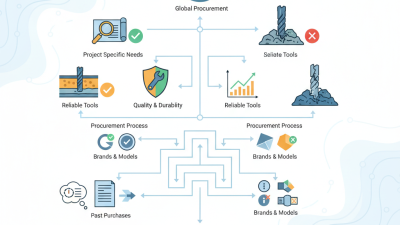
Buyers must also consider the specific requirements of their projects. Different applications may require specialized drilling equipment, which varies in design and functionality. Evaluating suppliers based on their expertise and track record is essential. This approach can help ensure that the equipment meets necessary quality and safety standards.
Overview of the Drilling Equipment Market in China
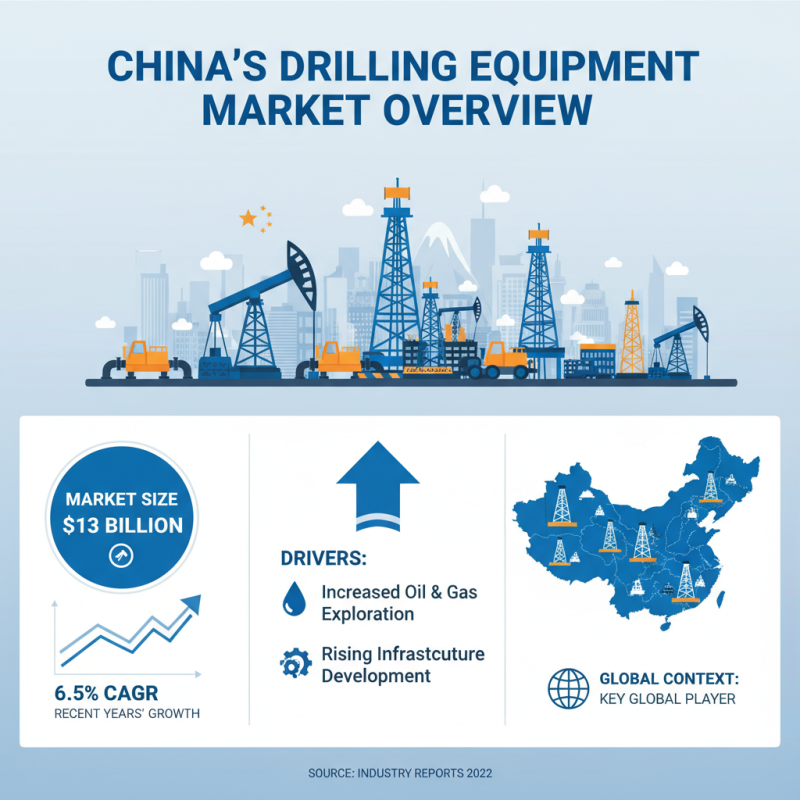
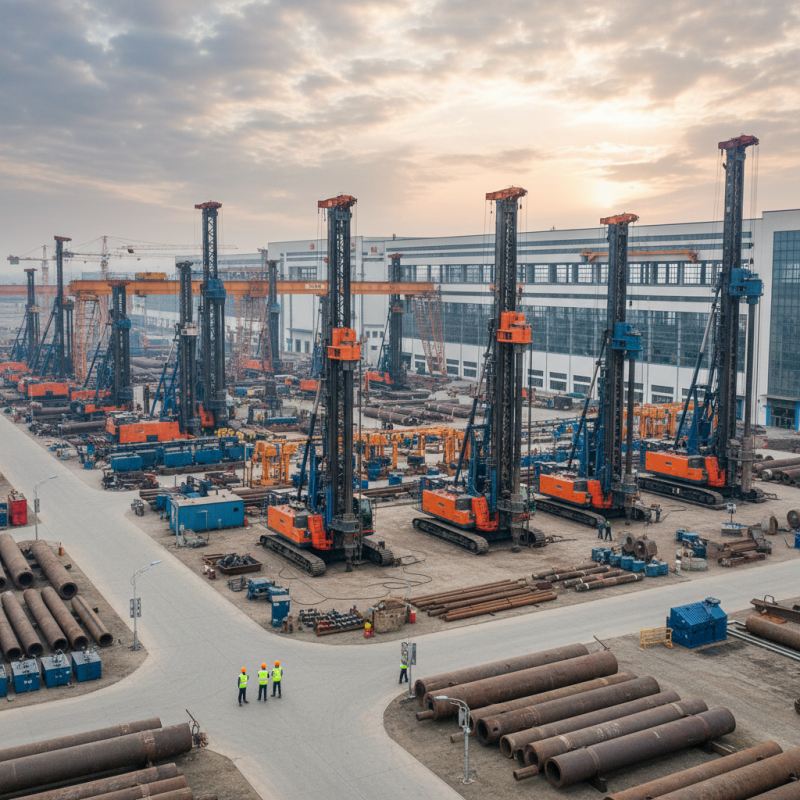
The drilling equipment market in China has shown significant growth in recent years. In 2022, the market size reached approximately $13 billion, reflecting a compound annual growth rate (CAGR) of 6.5%. This growth is largely driven by increased investment in oil and gas exploration, along with the rising demand for infrastructure development.
China’s drilling equipment sector remains robust, yet it faces challenges. Quality control is crucial, as discrepancies in manufacturing can lead to safety issues. Many companies struggle to maintain competitive pricing while ensuring high standards. Additionally, the market is becoming saturated with numerous suppliers, which can complicate procurement for global buyers. A strong emphasis on innovation is emerging, with many firms investing in advanced technologies to enhance performance and efficiency.
Market reports indicate that digital transformation will play a key role in the industry’s future. Enhanced data analytics and smart technologies are expected to optimize drilling processes. However, the implementation of these technologies can be uneven across different suppliers, leading to inconsistencies. This dynamic landscape requires buyers to engage deeply with suppliers, ensuring reliability and fostering long-term partnerships.
Key Features of China's Drilling Equipment Suppliers
When considering drilling equipment suppliers in China, several key features stand out. Companies focus on innovation and quality. They leverage advanced manufacturing techniques to produce durable equipment. This commitment to excellence ensures reliable performance in various applications.
Many suppliers prioritize customer service and support. They offer customized solutions to meet specific client needs. This flexibility can be a game changer for international buyers. Buyers should assess the supplier's service record. Consistent support can greatly enhance project efficiency.
Tips: Always verify certifications and standards compliance. It adds credibility and ensures safety. Additionally, explore past client reviews to gauge reliability. Engaging with suppliers through direct communication fosters better understanding. This interaction may reveal potential limitations or areas for improvement in their offerings.
Top Drilling Equipment Suppliers in China
Top Drilling Equipment Manufacturing Companies in China
China has become a significant player in the global drilling equipment market. Its manufacturing companies are known for producing a diverse range of equipment. These companies typically offer rotary drills, drilling rigs, and other related tools. They serve various industries such as oil, gas, and mineral exploration.
The expertise of Chinese manufacturers is evident in their attention to detail. Many facilities maintain strict quality control processes. However, challenges often arise concerning consistency and innovation. Some companies struggle to adopt cutting-edge technologies. This gap can impact their competitiveness in the international arena.
Global buyers should focus on evaluating the reliability of suppliers. Conducting thorough research is essential. Understanding production capabilities and technological advancements can help in decision-making. In this rapidly changing landscape, insightful partnerships become vital for success.
Quality Standards and Certifications for Drilling Equipment
Quality standards and certifications play a crucial role in the drilling equipment industry. Global buyers prioritize equipment that meets rigorous safety and performance criteria. In China, numerous suppliers adhere to international standards. These standards ensure that products are reliable and efficient. Certifications like ISO 9001 demonstrate a commitment to quality management systems.
Many manufacturers in China also seek additional certifications. These include CE, API, and ISO 14001, which focus on environmental management. Such certifications enhance trust and credibility among buyers. However, not all suppliers comply strictly with these standards. Some may cut corners to reduce costs. This presents a challenge for buyers seeking quality assurance.
Buyers should conduct thorough research before making purchases. Understanding a supplier's certifications can reveal a lot about their commitment to quality. It's important to ask for documentation and proof of compliance. Engaging with reputable third-party inspection companies might also provide insights. Reflecting on these factors is essential in making informed decisions.
Strategies for Global Buyers to Engage with Chinese Suppliers
Engaging with Chinese suppliers requires understanding their market dynamics. Many buyers may overlook the importance of building relationships. Establishing trust is key in Chinese business culture, which places a strong emphasis on personal connections. Buyers should take time to meet suppliers face-to-face, if possible. This can result in more favorable terms and a better mutual understanding.
Communication can present challenges. Language barriers often complicate discussions. Utilizing local intermediaries can help bridge this gap. They can provide insights into cultural nuances and business etiquette. It’s also advisable to be clear about specifications and expectations. Misunderstandings can lead to delays or unsatisfactory products. Regular updates can maintain transparency throughout the process.
Exploring various suppliers is beneficial. Some companies may prioritize cost over quality, which may disappoint later. A thorough vetting process is necessary. Buyers should consider visiting factories to witness operations firsthand. This experience can highlight a supplier's capabilities and commitment to quality. However, it's essential to remain adaptable and open to different ways of collaboration. Reflection on past experiences can guide better choices in future engagements.