How to Choose the Right Pipe Swaging Machine for Your Needs?
In the manufacturing industry, the choice of a Pipe Swaging Machine is crucial. These machines are essential for shaping and resizing pipes without changing their material properties. A 2022 report by Market Research Future indicated that the global pipe swaging machine market is expected to grow significantly, reaching over $2 billion by 2027. This growth highlights the increasing need for efficiency in production processes.
Selecting the right Pipe Swaging Machine is not straightforward. Many factors influence this decision, including pipe dimensions, material types, and production scale. Some manufacturers struggle with incorrect machine specifications, which can lead to costly errors. Each project has unique requirements that must be carefully evaluated.
Investing in a Pipe Swaging Machine without thorough research can be risky. Companies may find themselves with equipment that underperforms or fails to meet their needs. Understanding key features like power, speed, and versatility is vital. Potential buyers should scrutinize their options and reflect on their specific production goals. This reflection can lead to better choices and improved outcomes in pipe fabrication.
Understanding Pipe Swaging Machines: Types and Applications
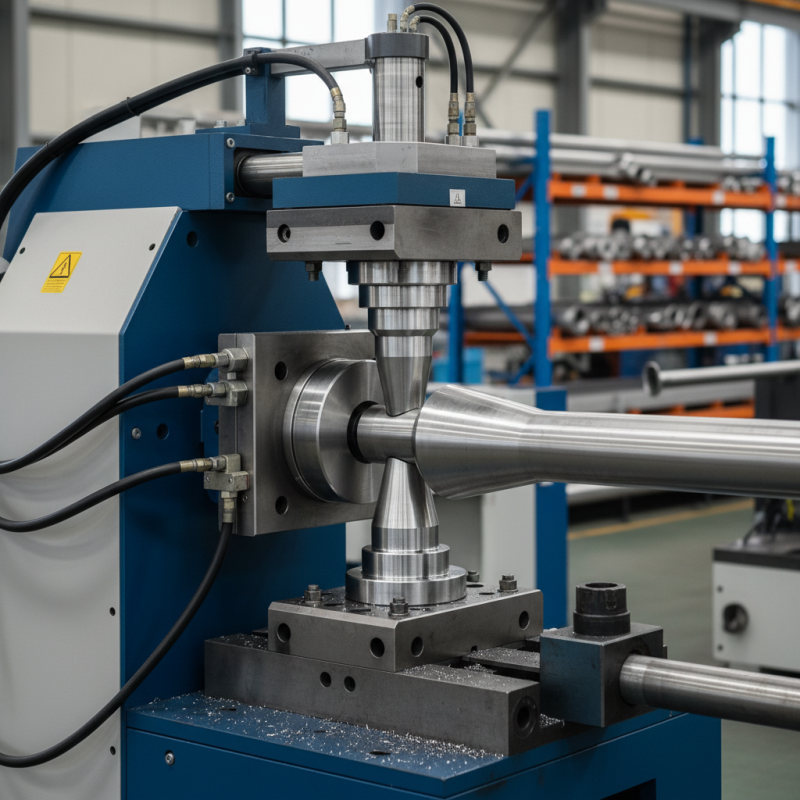
When selecting a pipe swaging machine, understanding its types and applications is essential. Pipe swaging machines can be broadly categorized into manual, hydraulic, and electric models. Manual machines require physical effort, making them suitable for small-scale operations. Hydraulic machines, on the other hand, provide more power and precision. They are ideal for heavy-duty applications. Electric machines are popular for their efficiency and speed, making them perfect for large manufacturing settings.
Various industries rely on pipe swaging machines. For instance, the automotive industry uses them to fabricate exhaust systems. The construction sector also benefits, particularly in plumbing and HVAC installations. According to industry reports, hydraulic pipe swaging machines have seen a 15% growth rate in adoption due to their versatility. However, choosing the right type involves assessing your specific needs—consider the materials you'll work with and the sizes required.
Tip: Always analyze your production volume. A smaller operation might not need a high-capacity hydraulic machine. Reflect on your long-term goals. Investing in the wrong machine can lead to costly issues. Make a list of your priorities before making a decision. Lastly, consider how much space you can allocate. Machine size can vary significantly, impacting your workshop layout.
Key Factors to Consider When Choosing a Pipe Swaging Machine
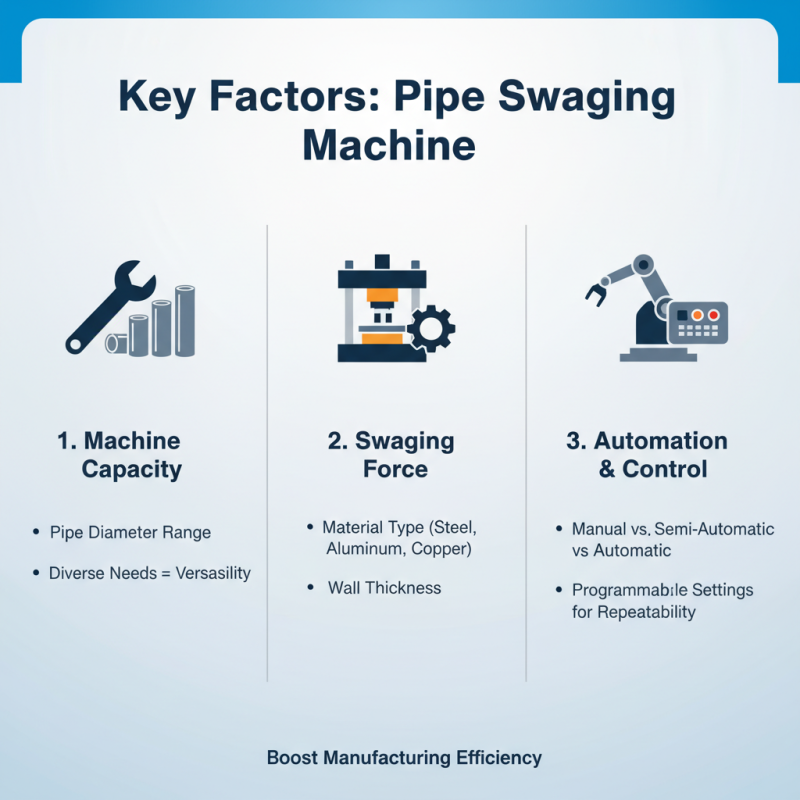
Choosing the right pipe swaging machine is crucial for efficiency in manufacturing. Several key factors should guide your decision. One major aspect is the machine's capacity. This depends on the pipe sizes you intend to work with. According to industry reports, machines that handle a range of pipe diameters can be more cost-effective for businesses with diverse needs.
Another factor is the material compatibility. Swaging machines need to work well with various metals. Steel and aluminum are common choices. However, if your project requires non-ferrous metals, ensure the machine can accommodate them.
When making a decision, focus on automation features. Some machines offer programmable settings for different tasks. This can reduce training time and mistakes, contributing to operational efficiency.
**Tips:**
- Examine the machine's cycle time. Faster machines can boost production but may compromise on quality if not managed well.
- Don't overlook maintenance support. Some machines require specific care, which can be a challenge if parts are hard to find.
- Analyze the total cost of ownership, not just the purchase price. This includes energy consumption, labor costs, and potential downtime.
Evaluating the Machinery Specifications and Features
When evaluating a pipe swaging machine, specifications matter greatly. The size and capacity of the machine should match your project needs. Consider what material you will be swaging. Different machines handle different materials with varying ease. Lightweight metals may require less robust machinery.
Power output is crucial. A machine with inadequate power may struggle with thicker pipes. This can lead to poor results. Look for machines with adjustable settings. Flexibility allows you to fine-tune operations for different tasks. Users have noted that a machine that’s too rigid can slow workflow.
Also, focus on safety features. Machines should have clear guards and emergency shut-off switches. It’s essential to prevent accidents. Check customer feedback on usability. Complex machines can frustrate operators. Lastly, consider maintenance needs. Machines that are hard to service can lead to downtime. Reflect on the long-term usability versus initial costs. Balancing these factors can lead you to the right choice.
Assessing Your Production Needs and Budget Constraints
When assessing your production needs, identify the specific tasks the pipe swaging machine must perform. Consider the materials you will use. For example, aluminum and stainless steel require different settings and force levels. Stats show that over 35% of downtime in manufacturing comes from improper equipment choices.
Your budget constraints also play a vital role. A basic machine might fit your financial plan, but may lack advanced features. In contrast, a high-end model offers durability and efficiency. Data indicates that investing 20% more in a machine can boost productivity by 30%. However, you need to evaluate if these gains justify the extra expense.
Tips: Focus on your production volume. If high, opt for a sturdier machine with automation features. Analyze your operational costs regularly. Sometimes, a cheaper machine can lead to higher long-term costs due to frequent repairs.
Remember that not every machine on the market will suit your needs perfectly. Reflect on your current operations to spot potential mismatches. Investing time in this analysis can help you avoid costly mistakes down the line.
How to Choose the Right Pipe Swaging Machine for Your Needs?
| Machine Type |
Production Capacity (Pipes/Hour) |
Pipe Diameter Range (inches) |
Power Requirement (kW) |
Estimated Cost (USD) |
| Hydraulic Swaging Machine |
200 |
½ - 3 |
5 |
$5,000 |
| Electric Swaging Machine |
150 |
¾ - 2 |
3 |
$4,200 |
| Pneumatic Swaging Machine |
100 |
⅜ - 2½ |
4 |
$3,800 |
| Manual Swaging Machine |
50 |
⅝ - 1¾ |
N/A |
$1,500 |
Maintenance and Support: Ensuring Long-Term Reliability and Performance
When choosing a pipe swaging machine, maintenance and support become crucial. A well-maintained machine can last for years, often exceeding its expected lifespan. According to industry data, machines that receive regular maintenance show up to 30% longer operational life. Neglect can lead to higher operational costs and unexpected downtimes, which can disrupt your workflow.
Regular inspections are key to identifying wear and tear. Simple tasks like lubricating moving parts can significantly enhance performance. Failure to conduct such maintenance may result in a gradual decline in efficiency. Research indicates that up to 20% of breakdowns in machinery are due to inadequate maintenance. Operators should track machine performance metrics diligently, as any drop in productivity is often a sign that deeper issues need addressing.
Support from manufacturers or service providers is another factor. Access to expert guidance can make a difference in troubleshooting. Having a reliable support system can also reduce the stress of unforeseen failures. Some reports suggest that companies focusing on support services experience a 15% improvement in productivity. Investing in maintenance and support is smart; it ensures your machine remains reliable and performs optimally over time.