How to Choose the Right Bucking Unit for Your Needs?
When selecting the right Bucking Unit, several factors require careful consideration. The market for Bucking Units is growing rapidly, projected to exceed $2 billion by 2025, according to a recent industry report by Research and Markets. This surge is fueled by increased demand for efficiency in logging and timber processing. However, choosing the right unit can be daunting.
Expert Richard Hayes, a leader in timber technology, emphasizes, "The right Bucking Unit can significantly enhance productivity and reduce waste." He underscores that different setups suit various operational needs, making informed choices crucial. Buyers must assess factors such as the type of timber, machine compatibility, and specific project requirements.
Despite the availability of advanced options, many users still struggle. They often find themselves overwhelmed by choices and lack the right guidance. Getting it wrong can lead to costly mistakes and inefficiencies. The Bucking Unit selection process is not just about features; it’s about understanding your unique operational context and needs.
Understanding Bucking Units: What They Are and How They Work
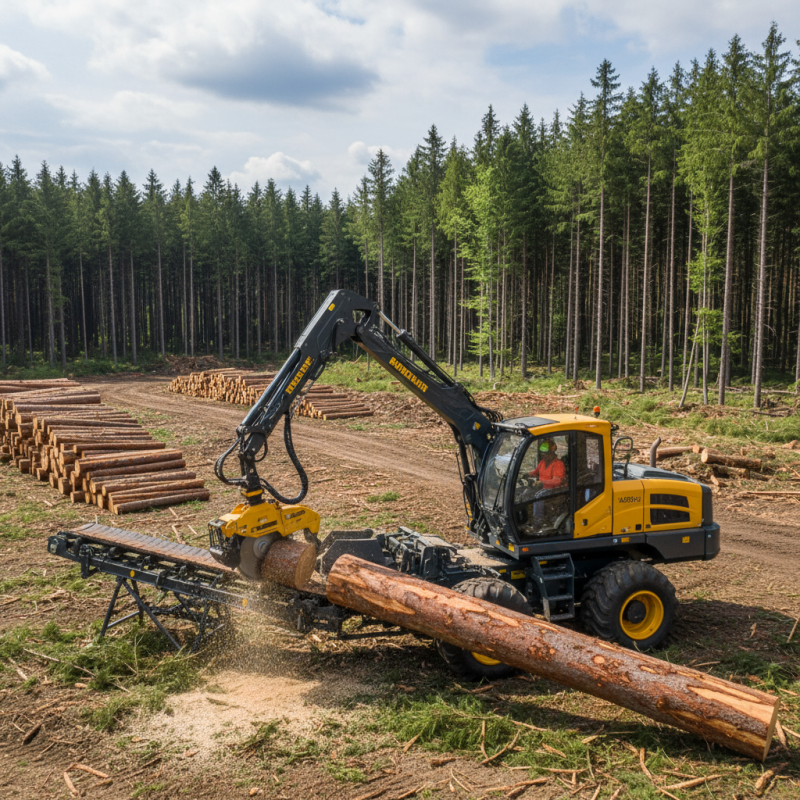
Bucking units play a crucial role in the timber industry. They are machines used for cutting logs into manageable pieces. Understanding how they work is essential for anyone making a purchase decision. A bucking unit typically uses a saw or blade to perform this task efficiently. The size and power of the unit can vary greatly.
When choosing a bucking unit, consider your specific needs. Think about the types of logs you will be working with. Each log type may require different cutting capabilities. Some units are portable, while others are stationary. This can affect where you can use them. Additionally, consider the complexity of operation. Simplicity can often lead to better results.
It's also important to reflect on your experience level. Novices may struggle with highly technical machines. Choose a unit with features that match your skill set. A more user-friendly model can improve safety and efficiency. Always assess the long-term maintenance needs of the unit. You don’t want to face unexpected costs later. Evaluating these factors can help ensure you select the right bucking unit for your situation.
Factors to Consider When Selecting a Bucking Unit for Your Operation
Choosing the right bucking unit can greatly impact your operation. There are critical factors to assess. One significant consideration is production capacity. According to recent industry reports, bucking units vary widely, with some capable of processing up to 20 cords per hour. Understanding your workload is essential. It’s not just about efficiency; it’s about matching the unit to your specific needs.
Another factor is the size and type of material you'll be working with. Different units excel in processing hardwood versus softwood. For example, softwood can be quicker to buck, while hardwood requires more robust equipment. Furthermore, consider maintenance requirements. A high-capacity unit might seem ideal, but if it requires frequent repairs, it could disrupt operations.
Cost is also critical. A cheaper unit may save money upfront but could lack durability. Industry studies show that investing in quality equipment leads to lower long-term expenses. Sometimes, paying a bit more for a reliable unit can prove beneficial. If you rush this decision, you may overlook key details that could cost you later. Each choice requires careful thought and projection to ensure optimal performance.
Comparison of Different Bucking Unit Types and Their Applications
When evaluating bucking units, it’s essential to understand the various types available. Each type serves distinct purposes that could align with specific needs in the industry. For instance, hydraulic bucking units excel in heavy-duty applications due to their robust design. A study from the Rigging and Hitches Report 2021 showed that 60% of contractors prefer hydraulic models for their efficiency and reliability.
Conversely, pneumatic bucking units are favored for lighter tasks. They offer portability and ease of use. According to a recent market analysis, their adoption has increased by 25% in smaller operations. When considering a bucking unit, one must evaluate the operational requirements against the advantages and limitations of each type. The choice can impact overall productivity and safety on the job site.
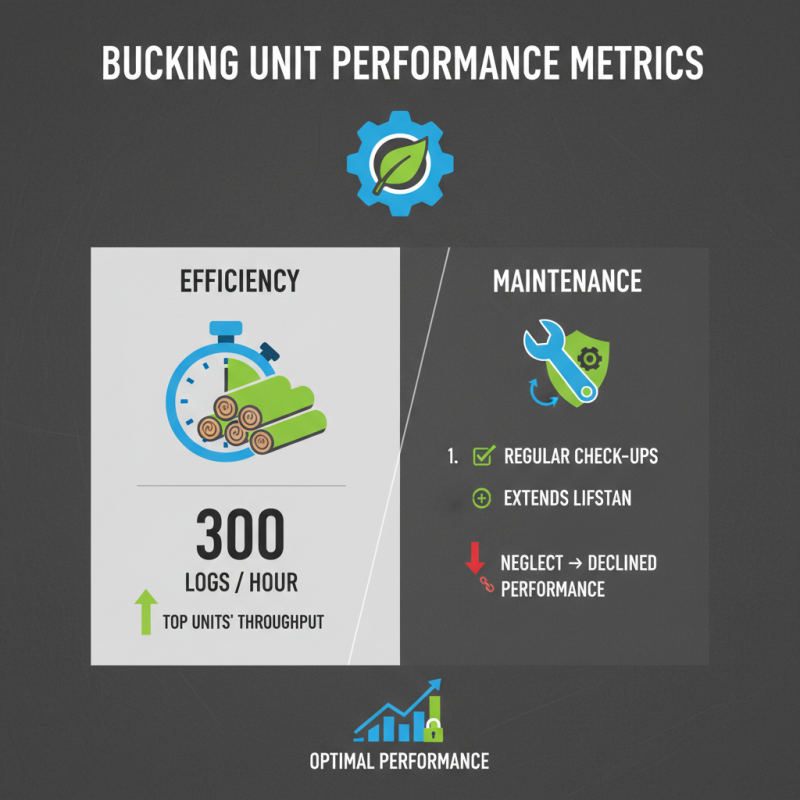
It's also vital to consider maintenance needs. Hydraulic systems usually require more upkeep compared to pneumatic ones. Neglecting these needs can lead to performance issues. Regular maintenance is essential for both hydraulic and pneumatic units to ensure optimal performance. Understanding these details can greatly influence the selection process.
Comparison of Bucking Unit Types and Their Applications
Cost-Benefit Analysis of Investing in a Quality Bucking Unit
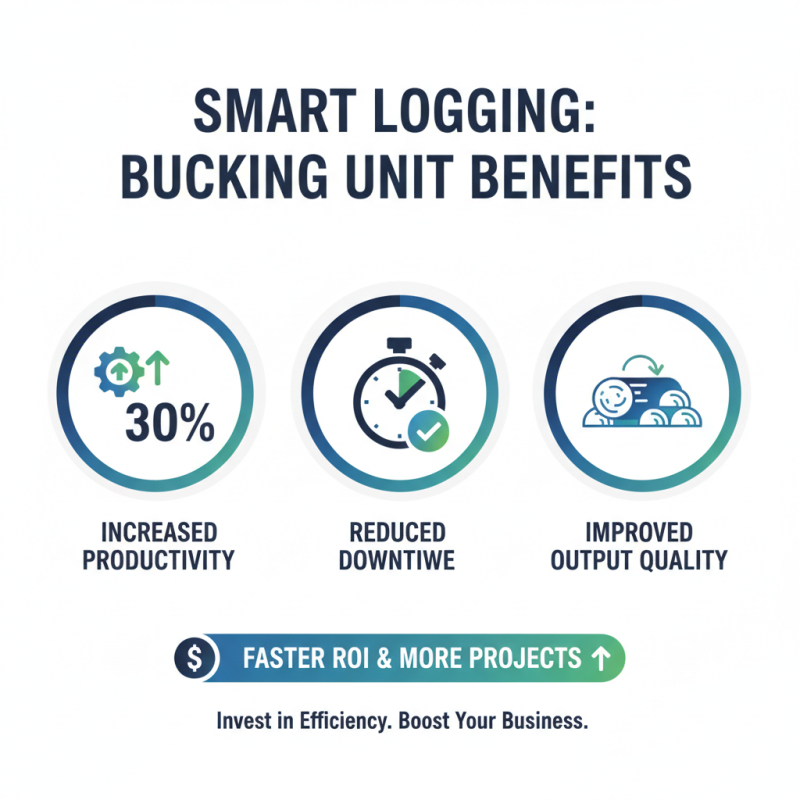
Investing in a quality bucking unit can yield significant benefits over time. A recent industry report indicates that businesses can improve productivity by 30% when using advanced bucking units. These machines facilitate the efficient processing of logs, reducing downtime and enhancing output quality. The improved performance justifies the initial investment, allowing contractors to take on more projects.
However, costs can be a concern. A decent quality bucking unit may start at $15,000, which is a hefty upfront cost. Yet, companies often find that this is offset by reduced operational costs. For example, lower maintenance requirements can save thousands annually. It's essential to evaluate long-term savings versus initial expenses, as financial pressures can cloud judgment.
It's also critical to consider that not all bucking units provide the same efficiency. An even more expensive model may not necessarily lead to better results. This uncertainty often requires businesses to conduct thorough research and testing. Real-world experiences can vary widely. Analyze case studies and consult with industry professionals to gain insights into performance. Only then can you make a well-informed decision that aligns with your operational needs.