How to Choose the Right Drilling Equipment for Your Project?
Choosing the right drilling equipment is crucial for any project. The success of your drilling endeavor often hinges on the equipment you select. Drilling equipment varies widely in type, size, and functionality, which makes it essential to assess your specific needs carefully.
When determining the appropriate drilling equipment, consider the project's scope and environment. The type of soil, depth, and purpose of drilling all play significant roles. For instance, residential projects may require different tools than industrial ventures. Understanding these needs can prevent costly mistakes later on.
However, selecting drilling equipment can be daunting. Poor choices may lead to inefficiencies and increased expenses. It's essential to weigh options, often leading to frustration. Gathering advice from experienced professionals can help clarify many uncertainties. Always remember, the right drilling equipment can significantly impact your project's overall outcome.
Understanding the Types of Drilling Equipment Available for Various Projects
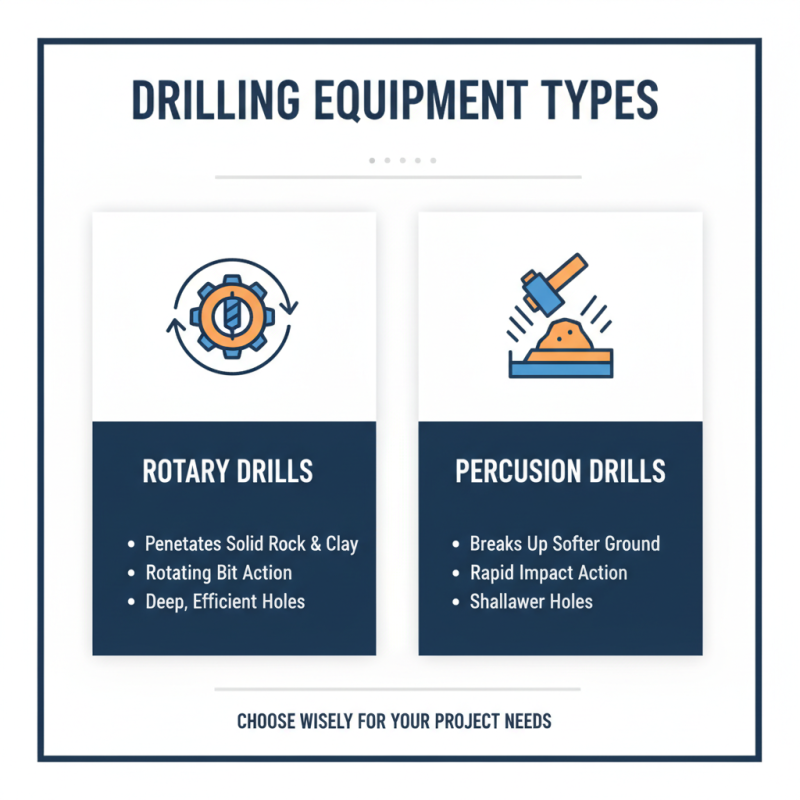
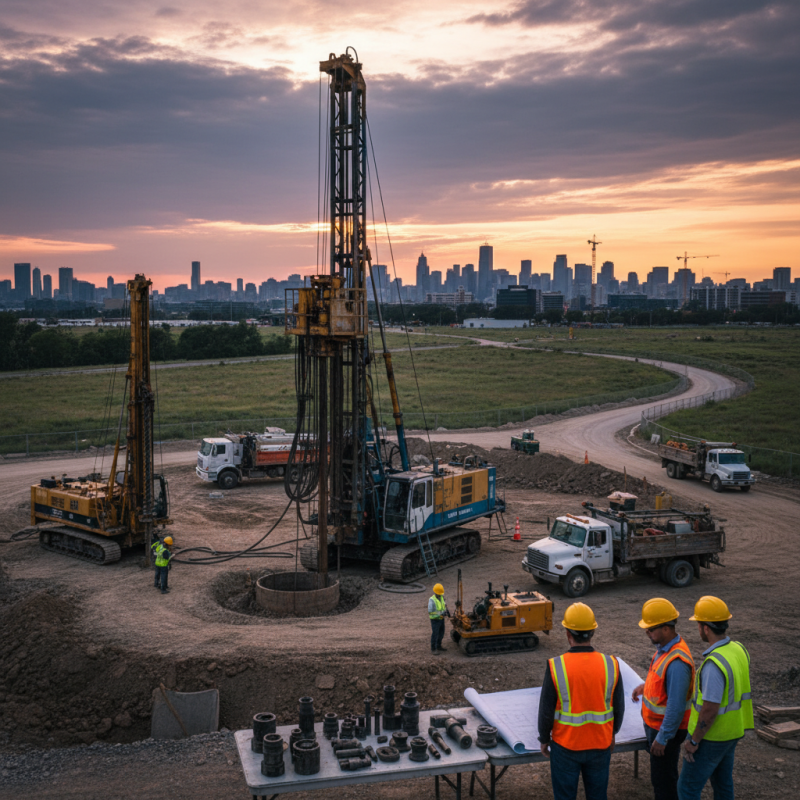
When selecting drilling equipment, it’s crucial to understand the different types available. Each type serves a specific purpose and function, depending on your project's needs. For instance, rotary drills are ideal for penetrating solid surfaces, like rock or clay. They work by using a rotating bit, which can produce deep holes efficiently. In contrast, percussion drills operate by using rapid impacts to break up material. They are suited for softer ground but may not penetrate as deeply as rotary options.
Consider the project conditions. Soil composition, depth, and required precision all play a role in choosing the right equipment. For softer soils, auger drills can be effective. They remove material by twisting it out, making hole creation simpler. However, with rocky terrain, you might reflect on whether a percussion drill is not enough. Each scenario reveals challenges; no one piece can do it all. Understanding these intricacies ensures you select the best tool for your project while recognizing potential drawbacks.
Evaluating the Specific Requirements of Your Drilling Project
Choosing the right drilling equipment relies heavily on understanding the specific needs of your project. Consider factors like the type of material being drilled.
Different materials require different drill bits. For instance, a soft soil site calls for a different setup than a rocky terrain. It's important to precisely evaluate the geological conditions before making a choice.
Take time to assess the project scale. Small residential jobs often need lighter equipment, while larger commercial sites might call for heavy-duty rigs.
Weight and size can impact maneuverability. Equipment that is too large can hinder your efficiency. Additionally, check your budget. Sometimes, opting for less expensive options leads to issues down the line.
It's wise to reflect on these choices, ensuring they align with your objectives.
Assessing the Technical Specifications of Drilling Equipment
When choosing drilling equipment, technical specifications are crucial. Understanding the capabilities of the equipment helps ensure it meets project needs. Pay attention to the drilling depth and diameter, as different projects require varying specifications. For instance, some tasks may need a shallow, wide hole, while others require deeper, narrower approaches.
Tips: Always consider the terrain. Hard rock formations need different tools compared to soft soil. Evaluate the power source; electric drills may not work well in remote areas. Every project is unique, and equipment should match those specifics.
Be aware of the weight and size of the equipment. Heavier drills can be challenging to transport. Also, don’t overlook maintenance. High-maintenance tools may increase costs over time. Choose equipment that balances durability with ease of use. Your decision impacts efficiency and safety on the site.
It's also essential to consult with experts. Sometimes, specifications sound good on paper but aren’t practical. It may help to review past projects similar to yours. Reflect on the lessons learned there. This kind of information can guide you to more suitable choices. Always keep an open mind to adjustments as you gather information.
Budgeting and Cost Considerations for Drilling Equipment Solutions
When budgeting for drilling equipment, it’s crucial to consider both upfront and ongoing costs. Equipment prices can vary widely. Factors like size, capacity, and technology all play a role. Don’t forget to account for maintenance. Regular servicing can add to your expenses over time.
Explore options that fit your budget without compromising quality. Sometimes, cheaper equipment results in higher costs later. Consider rental versus purchase. Renting might seem cost-effective initially, but long-term projects might benefit from ownership. Also, investigate financing options. They can make high-quality equipment more accessible.
Additionally, reflect on hidden costs. Transportation, setup, and operational costs can add up. Evaluate the project scope to avoid overspending. A meticulous assessment of these elements will help in making informed decisions. Balancing your budget with equipment needs requires careful planning and foresight.
How to Choose the Right Drilling Equipment for Your Project? - Budgeting and Cost Considerations for Drilling Equipment Solutions
| Equipment Type |
Typical Cost Range |
Ideal Applications |
Operational Considerations |
Maintenance Requirements |
| Rotary Drill |
$10,000 - $100,000 |
Mining, Water Wells |
High power requirements, skilled operators needed |
Regular checks on drill bits and lubrication |
| Percussion Drill |
$5,000 - $50,000 |
Geotechnical, Utility Installation |
Less power but requires precision |
Frequent bit replacement, clean dust removal |
| DTH (Down-The-Hole) Drill |
$20,000 - $150,000 |
Mining, Quarrying |
High penetration rate, less noise |
Regular inspections and potential wear on compressor |
| Directional Drill |
$30,000 - $200,000 |
Telecommunications, Gas, and Water Lines |
Precision navigation, underground installation |
Complex maintenance, calibration needed |
| Auger Drill |
$3,000 - $20,000 |
Soil Sampling, Post Holes |
Ideal for soft ground, portable options available |
Minimal but should check auger blades |
Choosing Between New vs. Used Drilling Equipment for Your Needs
When it comes to drilling equipment, the choice between new and used options can be challenging. New equipment often features the latest technology and warranties. This guarantees reliability but comes at a higher cost. You’ll spend more upfront, which may not fit every budget.
Used equipment can be a smart choice for many projects. It offers significant savings and can still perform well. However, buying used means assessing the equipment's condition carefully. Not all used drills are equal. Check for wear, maintenance records, and any signs of damage. Choosing wisely could save you time and money.
Sometimes, there are hidden costs with used equipment. Repairs and refurbishments may be necessary. This could eat into your budget and timeline. It’s essential to balance initial savings with potential future expenses. Each project is unique, requiring thoughtful consideration of your specific needs and resources.