Why is a Blowout Well Considered a Major Hazard in Oil and Gas Operations?
In the oil and gas industry, a Blowout Well poses a significant risk. Experts emphasize the dangers associated with such uncontrolled eruptions. Dr. Emily Carter, a leading authority in drilling safety, once stated, "A blowout well can turn a routine operation into an emergency." This underscores the need for vigilance.
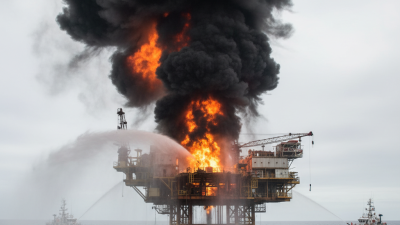
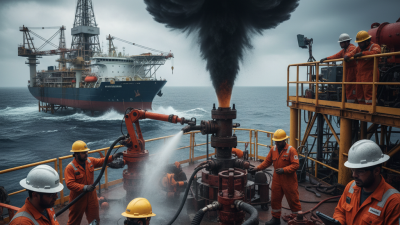
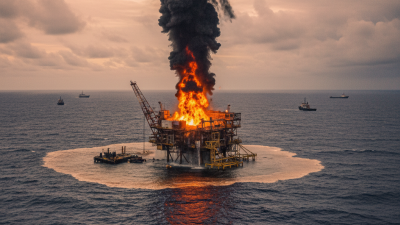
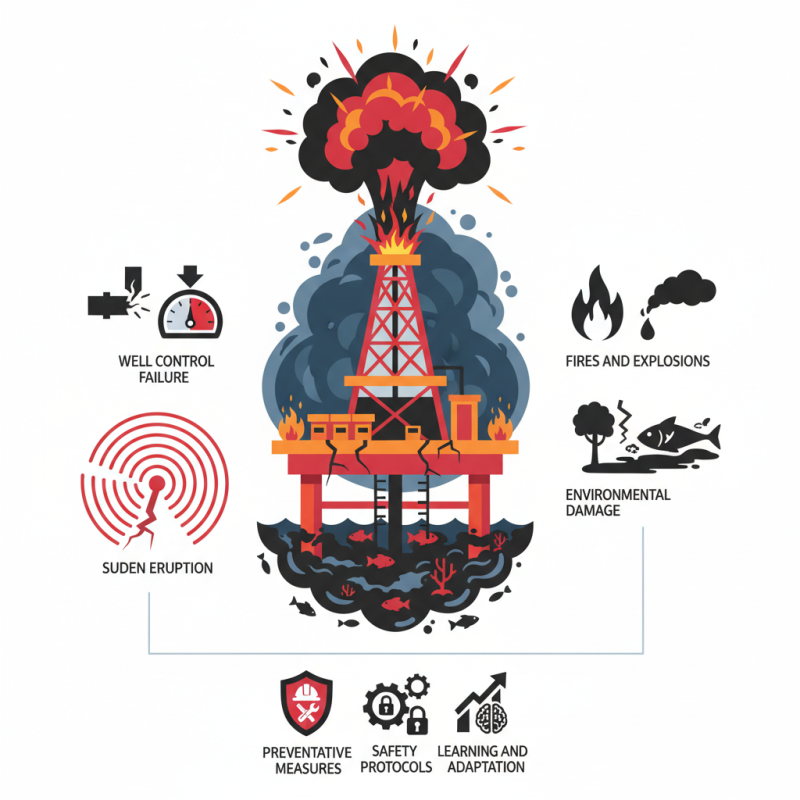
Blowout Wells can happen suddenly. They result from well control failure, often leading to catastrophic incidents. The release of gas, oil, or other fluids can cause fires and severe environmental damage. Each blowout presents unique challenges that demand expert intervention and immediate response.
Taking preventive measures is crucial. Companies invest heavily in training and equipment to mitigate these risks. Despite this, the potential for blowouts remains a haunting reality. A successful operation hinges on the rigorous application of safety protocols. The industry must continuously reflect on past incidents to improve and adapt.
Understanding Blowout Wells in Oil and Gas Operations
Blowout wells pose significant risks in oil and gas operations. A blowout occurs when pressure control systems fail. This can lead to uncontrollable oil or gas releases, often causing explosions or fires. According to the American Petroleum Institute, blowouts are responsible for around 50% of fatalities in the industry. These incidents can damage infrastructure, harm the environment, and result in economic losses.
The pressure dynamics in drilling highlight the importance of proper monitoring. Data from the International Association of Drilling Contractors indicates that more than 30% of blowouts result from inadequate well control practices. Operators must remain vigilant, as unexpected pressure surges can arise. Investment in training and technology plays a crucial role. Despite advancements, human error remains a contributing factor to many blowouts.
Preventative measures, like regular equipment checks, are essential. However, the industry still grapples with challenges. A 2022 report indicated that many companies underestimate the impact of geological shifts. These shifts can compromise well integrity. Continuous education and adherence to safety standards are vital. Understanding these complexities helps mitigate risks associated with blowout wells.
Blowout Wells: Major Hazards in Oil and Gas Operations
Definition and Mechanics of Blowouts: Key Terminology
Blowouts are significant hazards in oil and gas operations. Understanding their mechanics and key terminology is crucial. A blowout occurs when there is an uncontrolled release of oil or gas from a well. This failure can happen due to various reasons, including pressure imbalances and equipment malfunctions.
Key terms include "kick", which refers to an influx of formation fluids into the wellbore. "BOP" stands for blowout preventer, a vital device designed to seal the well during such events. Ensuring the integrity of these systems is imperative. Regular testing and maintenance are essential practices to mitigate risks.
Tips: Always ensure that your team is trained to identify early signs of a kick. Awareness can prevent escalation into a blowout. Review procedures and equipment regularly to keep your operations safe. Another tip is to conduct drills routinely. Practice makes a team prepared for emergencies, enhancing overall safety in the field. Recognizing that mistakes can happen is part of learning. Continuous improvement is vital to minimizing hazards in oil and gas operations.
Statistical Overview of Blowouts: Frequency and Major Incidents
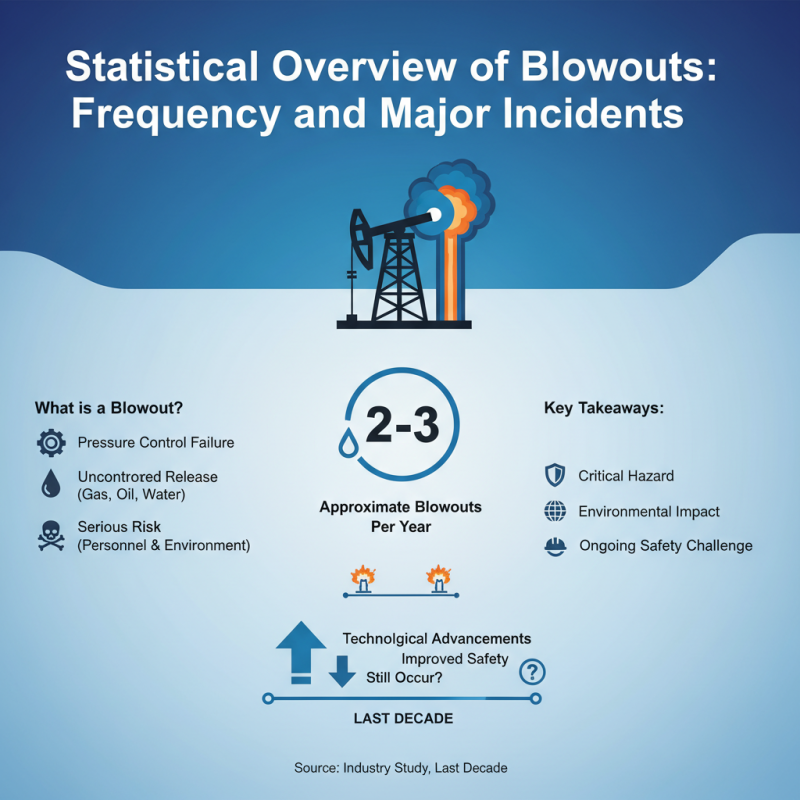
Blowouts are critical hazards in oil and gas production. They occur when pressure control fails, leading to uncontrolled releases of gas, oil, or water. These incidents present a serious risk to personnel and the environment. While advancements in technology have improved safety, blowouts still occur. A study from the last decade reveals that blowouts happen approximately 2-3 times a year in active drilling sites.
Major incidents often grab headlines. The devastating effects of a blowout can encompass explosions, fires, and extensive ecological damage. Historical data shows that some incidents resulted in the loss of life and massive financial losses for companies. In certain cases, blowouts have led to long-term environmental contamination. This highlights a significant issue: safety protocols need constant evaluation and enhancement.
Industry experts stress the importance of rigorous training and emergency preparedness. Although regulations have become stricter, complacency can lead to tragic consequences. Constantly updating safety measures based on past incidents can help mitigate risks. Additionally, sharing information from incidents can foster learning and improve resilience in operations. The oil and gas industry must prioritize safety and remain vigilant. Improvement is always necessary, and there's no room for error when lives are at stake.
Consequences of Blowouts: Environmental, Safety, and Economic Impact
Blowouts in oil and gas operations pose significant threats. They involve uncontrolled releases of crude oil, gas, or other fluids. The aftermath can lead to severe environmental damage. Spills contaminate land and water, disrupting ecosystems. Wildlife suffers, and local communities can be affected for generations.
Safety is another critical concern. Blowouts endanger the lives of workers on-site. Injuries can result from fires, explosions, or toxic gas exposure. The challenge lies in managing these risks effectively. Despite advancements in technology, human error remains a factor contributing to blowouts.
Economically, the impacts are profound. Companies face substantial cleanup costs and legal liabilities. Public relations damage can tarnish reputations for years. The financial effects ripple through local economies, affecting jobs and businesses. Planning for such events is essential, but perfection is elusive. Each incident forces a reevaluation of safety practices and regulations. The industry must learn from past errors to minimize future risks.
Why is a Blowout Well Considered a Major Hazard in Oil and Gas Operations? - Consequences of Blowouts: Environmental, Safety, and Economic Impact
| Impact Category |
Consequences |
Examples |
Mitigation Strategies |
| Environmental |
Oil spills, habitat destruction, air pollution |
Impact on marine life, land ecosystems, contribution to climate change |
Environmental impact assessments, contingency planning |
| Safety |
Loss of life, injuries, workplace hazards |
Explosions, burns, long-term health issues |
Safety training, emergency response drills |
| Economic |
Loss of revenue, cleanup costs, legal liabilities |
Fines from regulatory bodies, compensation claims |
Insurance coverage, risk management practices |
| Social |
Community distress, mistrust in companies, public outcry |
Protests, loss of social license to operate |
Community engagement initiatives, transparent communication |
Preventive Measures and Technology to Mitigate Blowout Risks
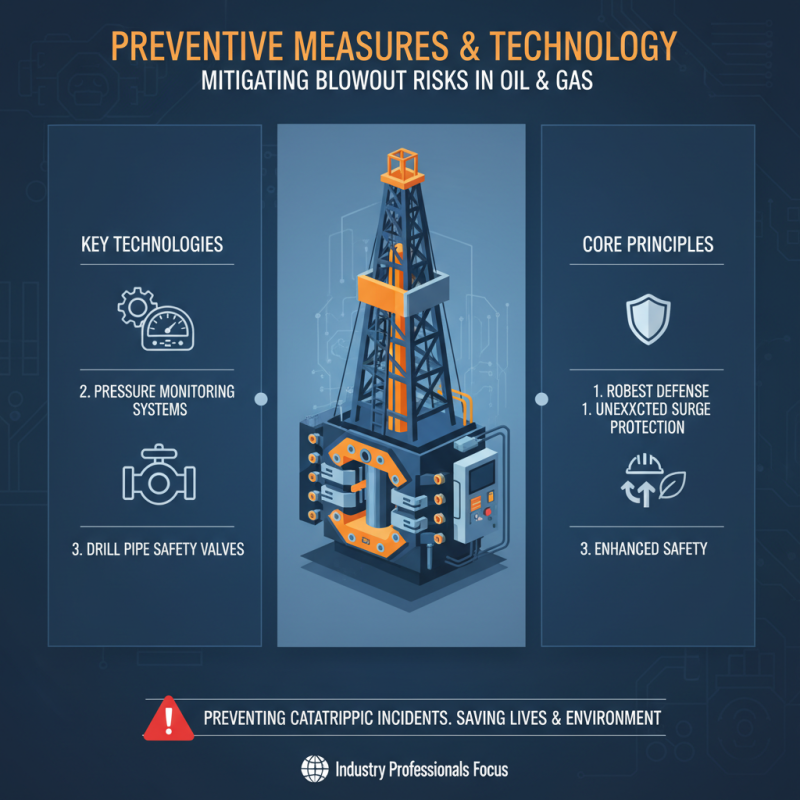
Blowout wells pose significant risks in oil and gas operations. They can lead to catastrophic incidents, causing losses in both human lives and environmental safety. To prevent these hazards, industry professionals focus on advanced preventive measures and technologies. These technologies include blowout preventers (BOPs), pressure monitoring systems, and drill pipe safety valves. Each component works together to create a robust defense against unexpected pressure surges.
Implementing regular training and simulations is crucial for staff. Workers need to be prepared for emergencies. This involves practicing response strategies under high-pressure scenarios. In addition, thorough risk assessments help identify potential issues before they escalate. However, relying solely on technology can bring about complacency. Staff must remain vigilant and continuously update their skills. Regular audits of equipment and protocols help maintain safety standards.
While modern advancements are impressive, challenges remain. Not every well is the same. Unique geological conditions can change outcomes unpredictively. The industry must confront the reality that no system is foolproof. Continuous learning and adaptability are essential in improving safety measures. Each blowout incident offers lessons, propelling the industry toward safer operations.