What is a Blowout Well and How Does It Impact Oil and Gas Production?
A Blowout Well presents significant challenges in oil and gas production. It occurs when uncontrolled oil or gas escapes from a borehole, often leading to devastating consequences. Understanding the mechanism behind a blowout is essential for industry professionals. This knowledge can help mitigate risks and enhance safety protocols.
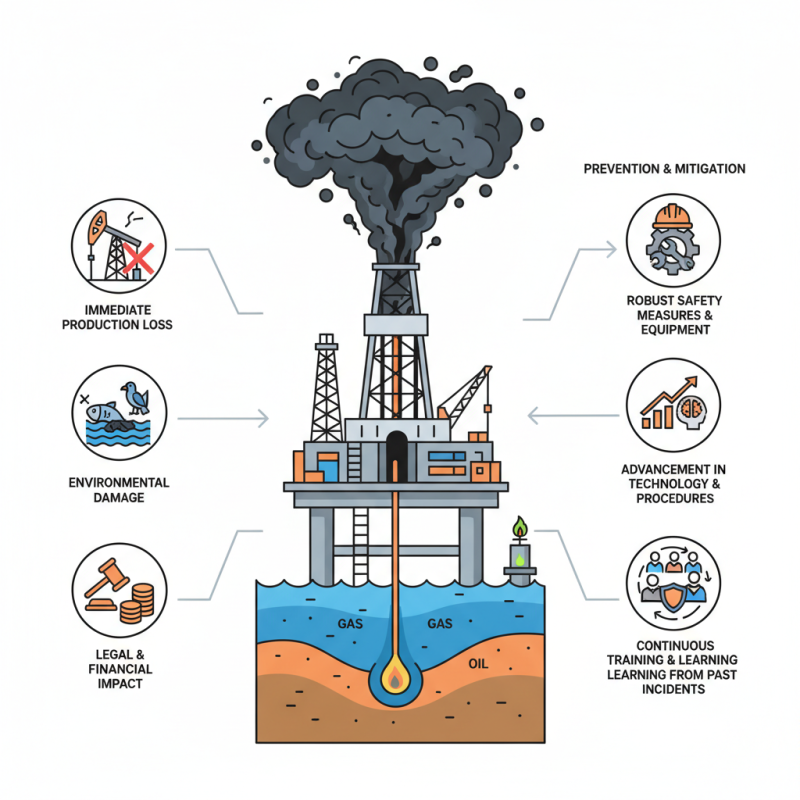
The effects of a blowout extend beyond just immediate production loss. Environmental damage can be extensive, affecting local ecosystems and communities. Furthermore, legal implications can arise from such incidents, affecting a company's reputation and finances. Companies must adopt robust safety measures to minimize blowout risks.
Despite advancements in technology and procedures, blowouts still happen. The industry faces ongoing challenges in drilling practices and equipment reliability. Continuous training and effective planning are crucial. Reflecting on past incidents can provide valuable lessons for future prevention strategies.
What is a Blowout Well in Oil and Gas Production?
A blowout well occurs when uncontrolled oil or gas escapes during drilling. This can result in catastrophic consequences. According to the International Association of Oil & Gas Producers, blowouts are a significant risk in the industry. They have caused severe environmental damage and loss of life in the past. Proper safety protocols can minimize these dangers, yet incidents still occur.
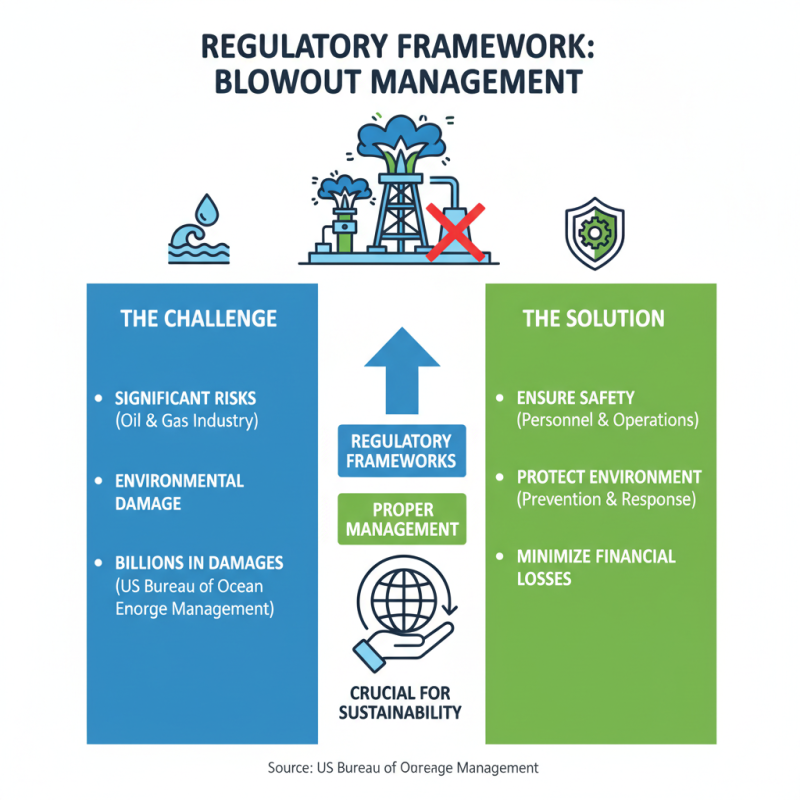
Blowout wells often lead to large financial losses. The costs to control a blowout can reach millions of dollars. A study showed that in some cases, the damages can exceed $50 million. This financial burden affects companies and investors alike. Additionally, the impact on local communities can be profound. Livelihoods can be disrupted, and ecosystems harmed irreversibly.
Oil and gas production is inherently risky. While advanced drilling technologies exist, risks remain. Training and rigorous safety measures are crucial. However, human error can lead to blowouts. Companies must continually evaluate their practices. Understanding these risks helps mitigate potential dangers and protects both workers and the environment.
The Mechanism of Blowouts: Causes and Triggers
Blowout wells present significant risks in the oil and gas industry. These uncontrolled releases occur when pressure from subterranean formations exceeds the force used to contain it. The primary agents include high reservoir pressure and sudden changes in drilling fluid density. Such incidents can lead to catastrophic consequences, both environmentally and economically.
The causes of blowouts are diverse. Poor well design, equipment failures, or inadequate safety protocols often contribute. According to the American Petroleum Institute, blowouts can be reduced by 50% with proper training and adherence to safety standards. Investing in advanced pressure management systems is essential for reducing risks.
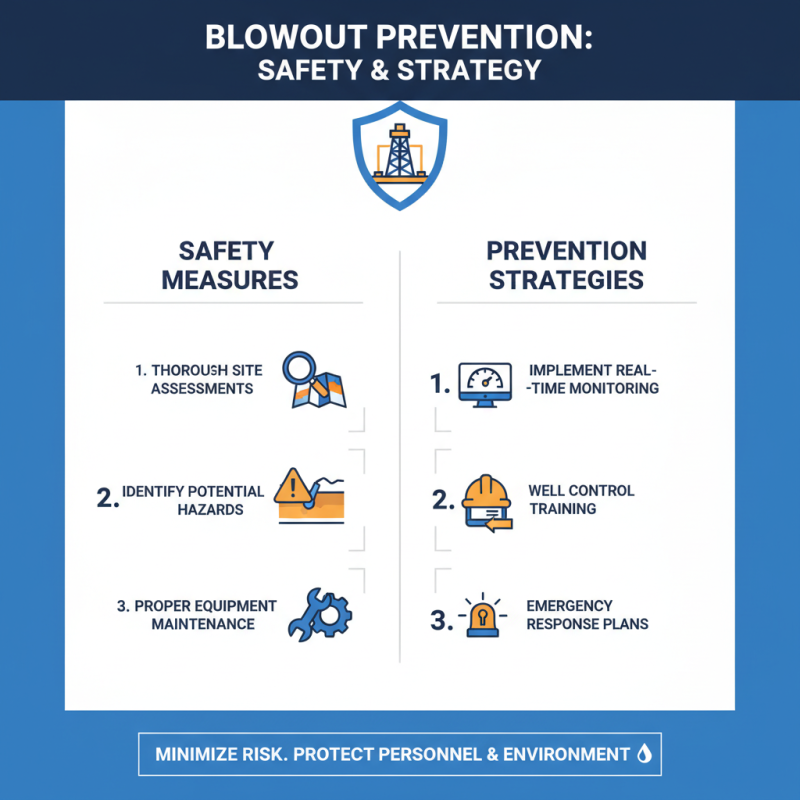
Tips: Always monitor pressure trends during drilling. Sudden pressure increases can indicate potential blowouts. Regularly inspect equipment to prevent failures. Awareness and proactive measures can save lives and protect the environment. In an industry where every decision counts, sometimes the simplest precautions make the most difference.
Impacts of Blowout Wells on Oil and Gas Operations
Blowout wells can have severe impacts on oil and gas operations. When a blowout occurs, uncontrolled oil or gas flows to the surface. This results in safety hazards and environmental risks. The pressure can be immense, pushing oil and gas far beyond manageable limits. Workers’ safety becomes a primary concern during such incidents. Preventing blowouts is crucial for operational integrity.
Effective communication among team members is vital. During risky operations, all personnel must be trained and aware of the potential dangers. Regular drills and safety checks help reinforce this knowledge. It's essential to have a clear response plan for emergencies.
Tip: Always prioritize well control measures. Identify potential blowout risks before starting any drilling.
Another concern is the financial impact. Blowouts can lead to costly delays and repairs. Companies may face legal repercussions from environmental damage. Close monitoring of drilling parameters can help catch issues early.
Tip: Invest in real-time monitoring technology. It can alert teams to anomalies instantly, reducing blowout risks.
In any case, preparing for blowouts needs ongoing attention. There's no room for complacency in oil and gas production. The industry must continuously improve safety protocols and technologies.
What is a Blowout Well and How Does It Impact Oil and Gas Production? - Impacts of Blowout Wells on Oil and Gas Operations
| Incident Type |
Impact on Production |
Duration of Impact |
Cost Implications |
Safety Risks |
| Blowout |
Production halted for cleanup |
Weeks to months |
$500,000 - $2 million |
High risk to workers and environment |
| Controlled Blowout |
Minimal production loss |
Days to weeks |
$100,000 - $500,000 |
Moderate risk |
| Well Control Incident |
Temporary halt in production |
Days |
$250,000 - $1 million |
Considerable safety measures in place |
| Environmental Spill |
Leads to operational delays |
Months |
Varies widely, often >$1 million |
Severe environmental impacts |